The Governo and the Câmara Municipal da Praia launch new public land programme for social housing
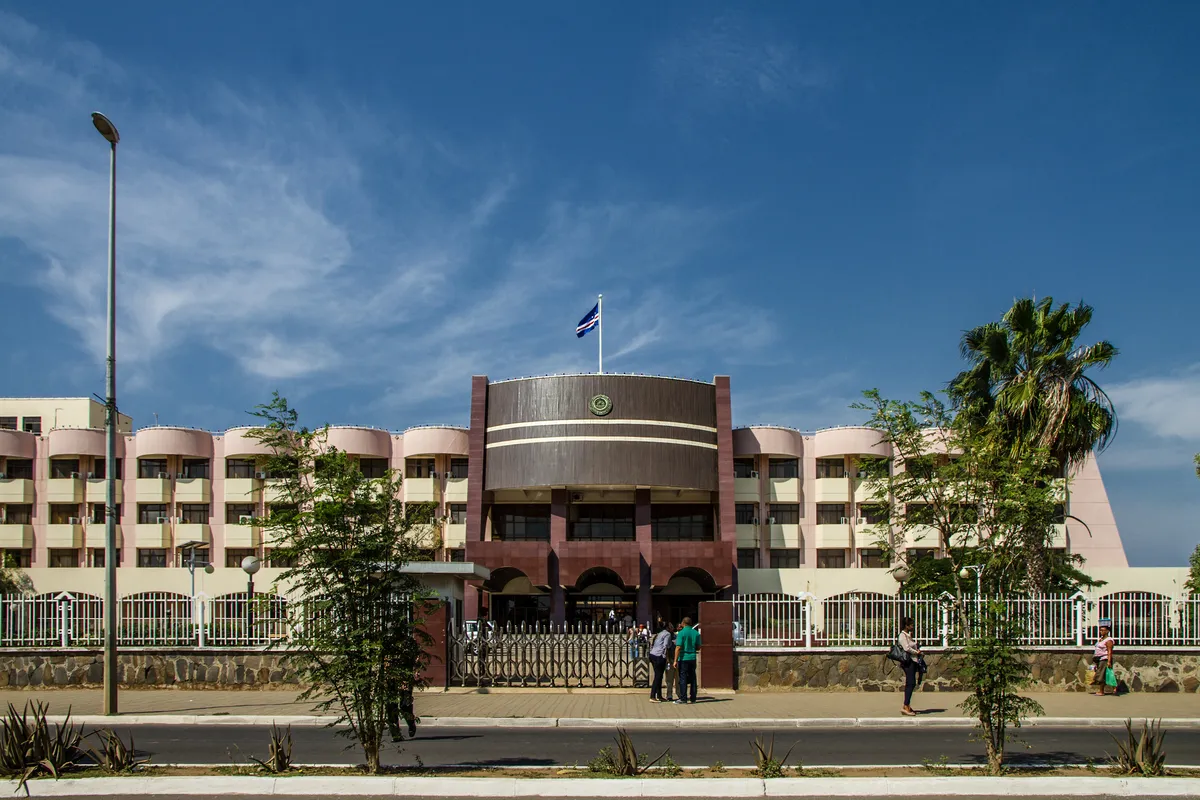
Public land to curb rising prices
Plots are being offered to low-income families for around 3.5 million CVE.
How the new programme works
It combines state-owned land and municipal urban development action with basic infrastructure.
Background and expectations
Previous programmes produced mixed results due to limited land availability.
Reactions from the real estate sector
The impact will depend on the volume actually delivered and the selection criteria.
The context of an expanding capital
Praia has seen sustained population growth in recent years, driven both by internal migration from other islands and by the capital's own economic dynamism. This growth has pushed up the price of urban land, particularly in areas better connected to the administrative and commercial centre. The new programme aims to offer an alternative to families who would otherwise be shut out of the formal housing market. Municipal officials believe that without public intervention, the gap between wages and land prices would continue to widen.
Details of the plot allocation
The programme involves the transfer of land in outlying neighbourhoods of Praia, with basic water, sanitation and electricity infrastructure included in the project. Beneficiary families will be required to commit to building their home within a set timeframe, to prevent speculation on undeveloped plots. The Ministry of Infrastructure and the Câmara Municipal are coordinating on selecting beneficiaries according to socioeconomic criteria. A monitoring system is planned to verify that the homes are used as primary residences.
Lessons from previous programmes
Earlier editions of similar programmes in Praia suffered delays due to a lack of basic infrastructure on the allocated land, leaving some families with plots but no immediate access to water or electricity. Other programmes saw their impact diminished by the limited real availability of well-located public land. The authorities say they have incorporated these lessons into the design of the new programme. Neighbourhood associations, however, are demanding concrete guarantees that the announced deadlines will be met this time.
The private sector: caution mixed with interest
Property developers in Praia are following the programme's progress closely, aware that a significant public supply could ease price pressure in the most sought-after areas. Some welcome the initiative as a complement to private supply, while others fear it will compete directly with projects already under way. The real impact, analysts agree, will depend on the volume of homes actually delivered and the pace at which the works are carried out. For now, the market is waiting to see the first results on the ground.
More in News
Brava, Cape Verde's smallest island, watches its houses empty out in step with emigration
With just a few thousand inhabitants and a population that keeps shrinking, Nova Sintra has a property market that is nearly frozen, kept alive solely by diasp…
Ribeira Brava holds steady prices as emigration sets the market's pace
In São Nicolau, remittances from the diaspora sustain the building of family homes, but a lack of local buyers leaves a housing stock with many houses shut for…
Maio, the island where buying a home is still nearly impossible for lack of supply
With the least developed property market in all of Cape Verde, Vila do Maio records barely any sales, while emigration leaves homes standing empty, neither sol…
Volcanic risk is already shaping house prices in São Filipe
At the foot of the Pico do Fogo volcano, memories of the last eruption continue to weigh on the value of homes near the caldera, while São Filipe's town centre…