Foreign buyers bid for colonial-era sobrados in São Filipe's historic centre
A historic centre with heritage ambitions
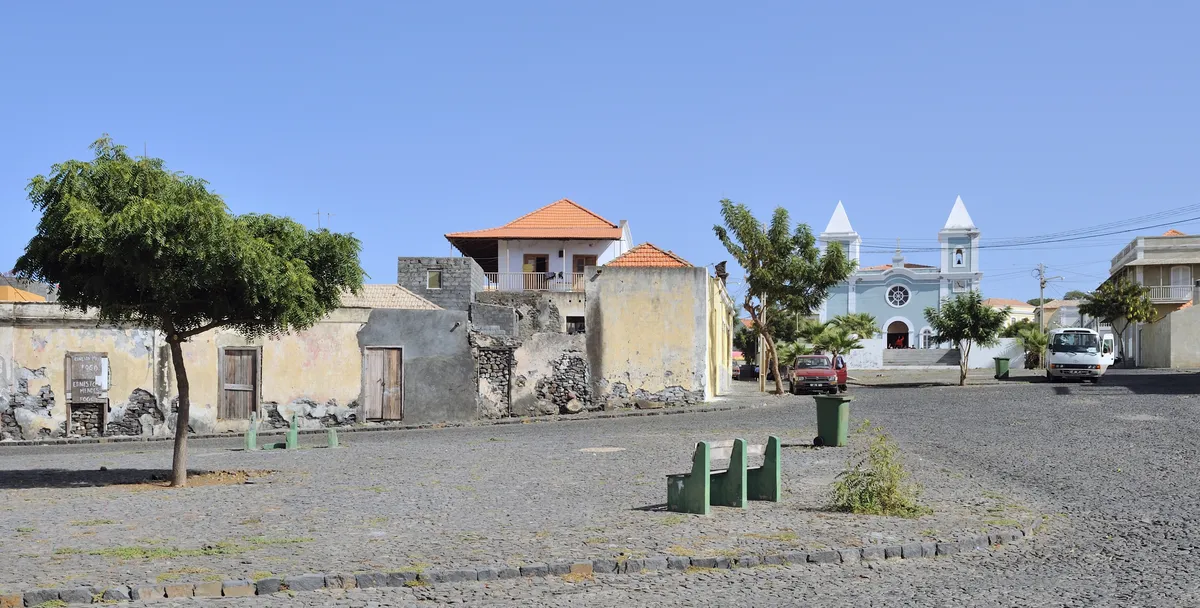
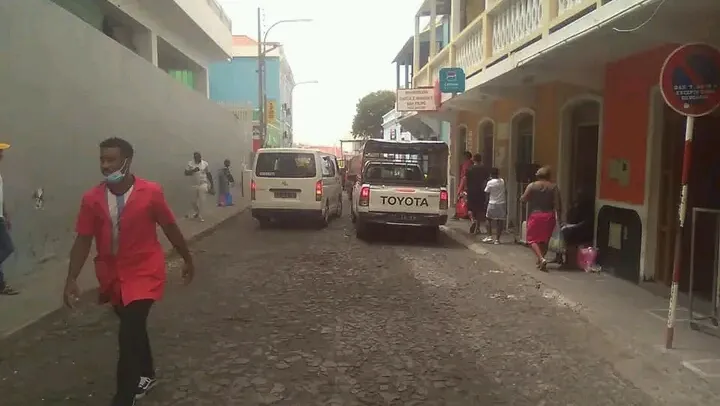
The old town, known as Bila Baxo, still has sobrado houses dating from the 19th century.
Prices rising on foreign interest
A sobrado in good condition sells for more than 13,500,000 CVE.
Costly renovations, slow permits
Restoring a sobrado can cost more than 5,000,000 CVE for the façade and roof alone.
The risk of pricing out long-standing residents
Calls are growing for protection mechanisms for long-term residents.
Bila Baxo's colonial origins
The sobrados surrounding São Filipe's main square mostly date from the 19th century, when the town served as the administrative and commercial hub of the island of Fogo, at the height of trade linked to coffee and vine growing on the volcano's slopes. This architecture of tall façades and wooden balconies makes up one of the best-preserved colonial ensembles in the archipelago, which explains the growing heritage and tourist interest it attracts.
European and North American buyers lead the interest
According to local estate agents, much of the foreign interest in Bila Baxo's sobrados comes from European buyers and descendants of the Cabo Verdean diaspora living in the United States, who are looking for a second home or an investment tied to heritage tourism. This type of buyer is willing to take on the high cost of a full renovation, something that is harder for local families with fewer resources.
The technical challenges of restoration
Restoring a sobrado requires labour skilled in traditional building techniques, increasingly scarce on the island, as well as materials that sometimes have to be imported. Construction timelines stretch out because of the need to preserve original features such as wooden balconies and façade mouldings, which makes the process more expensive than conventional construction of similar size.
Fears of gentrification in the historic centre
Residents and local associations warn that, if foreign interest keeps growing at the same pace, long-term residents could be priced out by rising prices and the taxes tied to the revaluation of their properties. The possibility of protective measures similar to those applied in other historic centres in Cabo Verde has been raised, though no formal mechanism has yet been approved in São Filipe.
More in News
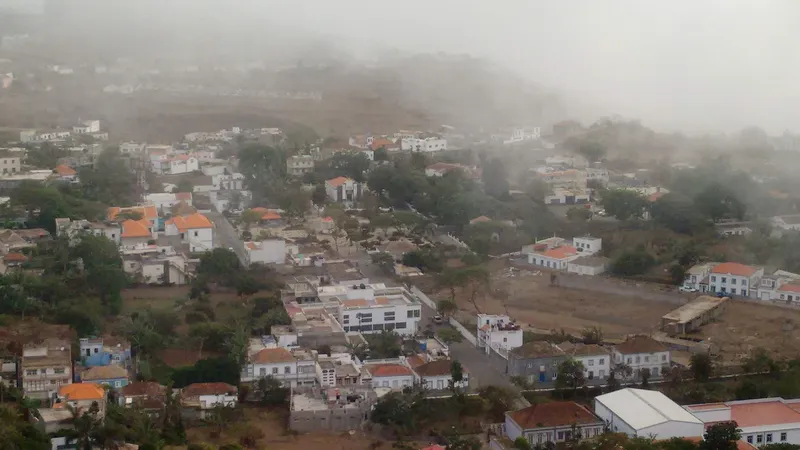
Brava, Cape Verde's smallest island, watches its houses empty out in step with emigration
With just a few thousand inhabitants and a population that keeps shrinking, Nova Sintra has a property market that is nearly frozen, kept alive solely by diasp…
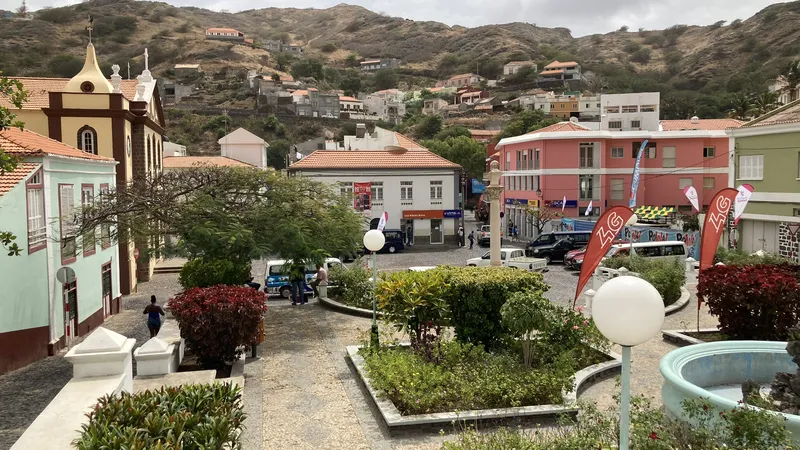
Ribeira Brava holds steady prices as emigration sets the market's pace
In São Nicolau, remittances from the diaspora sustain the building of family homes, but a lack of local buyers leaves a housing stock with many houses shut for…
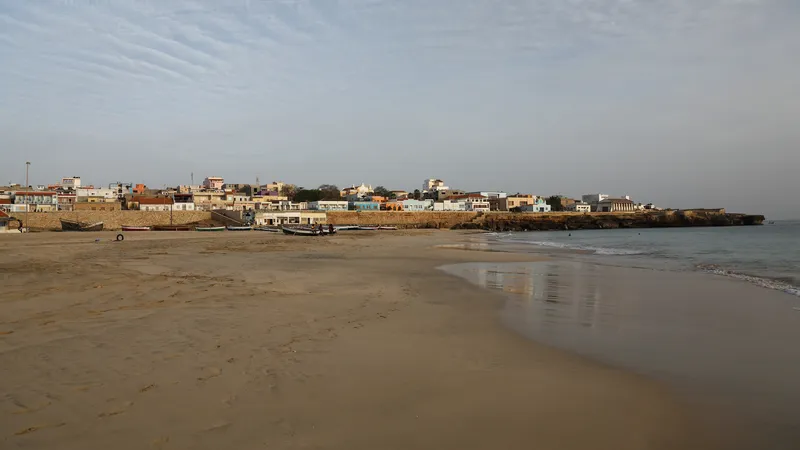
Maio, the island where buying a home is still nearly impossible for lack of supply
With the least developed property market in all of Cape Verde, Vila do Maio records barely any sales, while emigration leaves homes standing empty, neither sol…
Volcanic risk is already shaping house prices in São Filipe
At the foot of the Pico do Fogo volcano, memories of the last eruption continue to weigh on the value of homes near the caldera, while São Filipe's town centre…