Cape Verde to upgrade homes of families hit by the Fogo bus accident
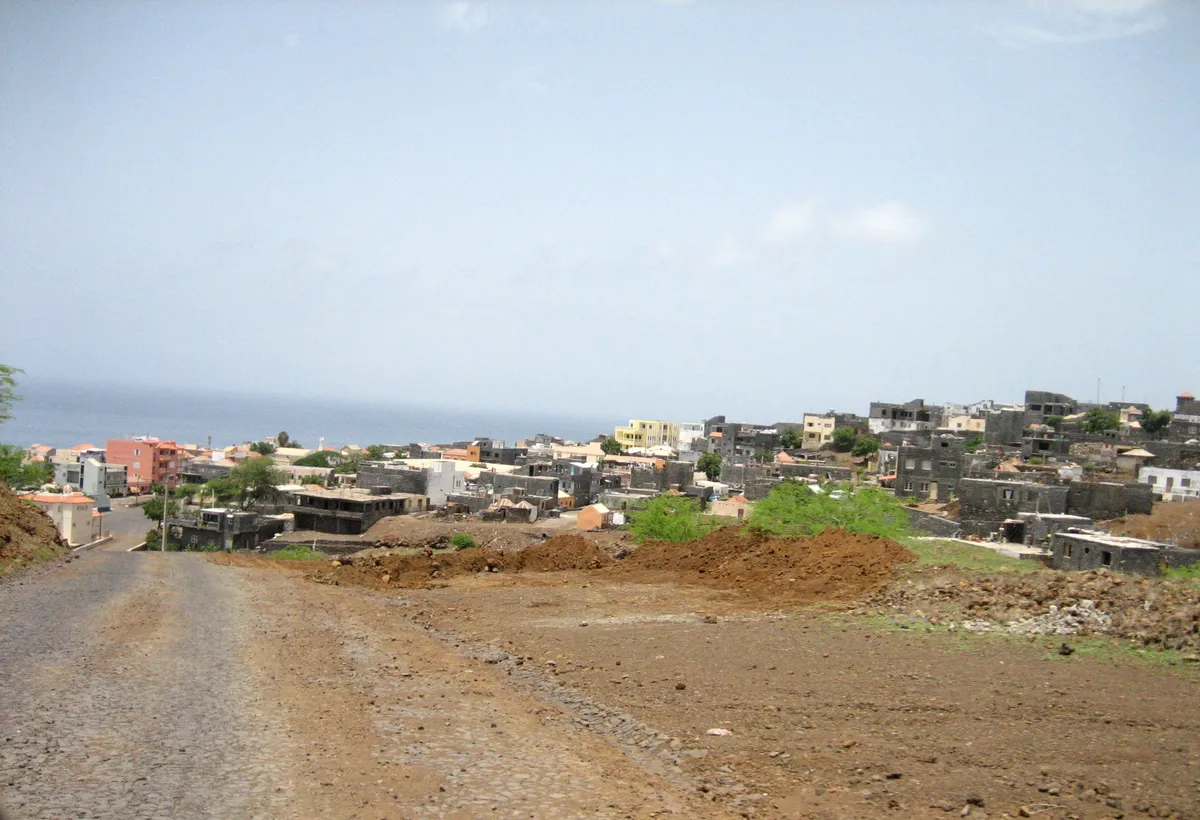
The Government of Cape Verde announced on 12 September that it will carry out work on the homes of families affected by the accident in São Filipe, on the island of Fogo. The measure adds to the emergency aid already flowing after the tragedy of 4 September, when a bus left the road and plunged into a ravine. Twenty-five people died and 13 were injured, most of them students and young people.
A response on several fronts
The Prime Minister has called it the country's worst tragedy since independence. A crisis office coordinates the Government with the municipal councils of São Filipe, Mosteiros and Santa Catarina do Fogo. Each family receives 100,000 escudos per fatal victim, around 907 euros. The payment is made per victim rather than per household, because some homes have lost more than one member. Food parcels, psychological support and paid travel for close relatives complete the package.
What a housing intervention means
The announcement does not yet say how many homes will be covered or on what timetable. In Cape Verde, a housing intervention usually means upgrading the existing house: repairing roofs, replacing makeshift materials, adding a bathroom and kitchen or building an extra room. On Fogo, many families live in homes built in stages, paid for with money from relatives abroad or from their children's wages. When a tragedy takes away those who supported the household, the unfinished work is left without funding.
An island that knows about rebuilding
Fogo has experience of rehousing. The eruption of Pico do Fogo in 2014 and 2015 buried Portela and Bangaeira, in Chã das Caldeiras, and forced every resident out; some later rebuilt on top of the lava. Since then the state programme Casa para Todos has delivered social housing on several islands. The Canary Islands offer a reference point in La Palma: after the 2021 eruption, emergency aid arrived quickly, but permanent housing took years.
What families can expect
In the short term, the cash payments, food parcels and psychological support are already reaching families through the crisis office. Work on the homes will be slower: households must be registered, each house assessed and priorities set. Families would do well to register with the municipal council, keep any document proving ownership of their home and ask in writing which works they are entitled to. It falls to Cape Verdean society, and to its diaspora, to make sure the announcement turns into a timetable, a budget and a list of homes with names attached.
More in News
Madeira approves 718 new homes in first half of 2026 but completions fall
New-build licences in Madeira rose 27.5% in the first half of 2026 while finished homes fell. More projects are in the pipeline, but the extra supply will take…
Azores PS proposes accommodation supplement for displaced students
The Azorean Socialist Party proposes a monthly housing supplement for students who must leave their island, from 2027/28. What it would mean for families and w…
Cape Verde hotel boom pushes up property prices in Sal and Boa Vista
Cape Verde's hotels welcomed 277,000 guests between April and June, 9% more than a year earlier, led by Sal and Boa Vista. The boom is lifting prices and deepe…
Buying a home in Adeje or Guía de Isora takes almost 25 years of income
Buying in Adeje or Guía de Isora takes around 24.5 years of household income, while Arona and Granadilla rank among Spain's lowest-earning municipalities. Sout…