Erratic Ferry Service Between Brava and Fogo Pushes Up Building Material Costs by as Much as 30%, Say Industry Sources
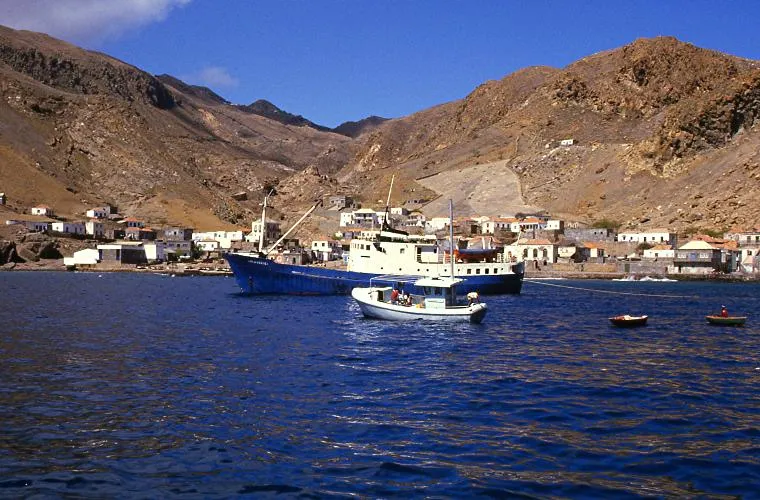
An Island That Depends on a Single Boat
The entire supply chain runs through the port of Furna to São Filipe, on Fogo.
A Service Frequently Interrupted by Rough Seas
The ferry service is suspended fairly often between December and March.
An Extra Cost Passed On to the Final Price
This logistics system adds between 20% and 30% to the cost of materials.
The Port of Furna, a Permanent Bottleneck
Any delay in unloading immediately affects the construction schedule.
A Small Island With Just One Supply Route
Brava, along with Santo Antão, is one of the Cape Verdean islands with the least self-sufficiency in building materials, meaning almost everything has to be imported from Fogo or from Praia via intermediate stops. This dependence turns even the smallest building project into a logistical undertaking that must be planned months in advance. Local builders say a simple delay in the arrival of cement can bring a project to a halt for weeks.
Rough Seas, a Factor That Dictates Timelines
Between December and March, rough seas in the channel between Fogo and Brava frequently cause the ferry service to be suspended, forcing builders to stockpile materials before the roughest sea season begins. This extra planning increases storage costs and forces many firms to keep stock tied up for several months. The island's construction calendar itself is largely organised around this seasonal pattern at sea.
Extra Costs, a Decisive Factor in the Decision to Build
With material costs up by as much as 30%, many families in Brava choose to extend or renovate their existing home rather than put up a new building, since the extra cost of shipping by sea can prove decisive on budgets that are already tight. The few developers operating on the island admit they pass this extra cost straight through to the final price of a home, putting it above the average for other islands of similar size.
Comparison With Other Small Islands in the Archipelago
Brava's situation is comparable to that of Santo Antão or São Nicolau, islands that also depend on inter-island sea transport for their supplies, though Brava's case is made worse by being the archipelago's least populated island with the least economic activity, which reduces its scope for negotiating better shipping terms. Local authorities have on several occasions proposed increasing ferry frequency, though no definitive solution has yet materialised.
More in News
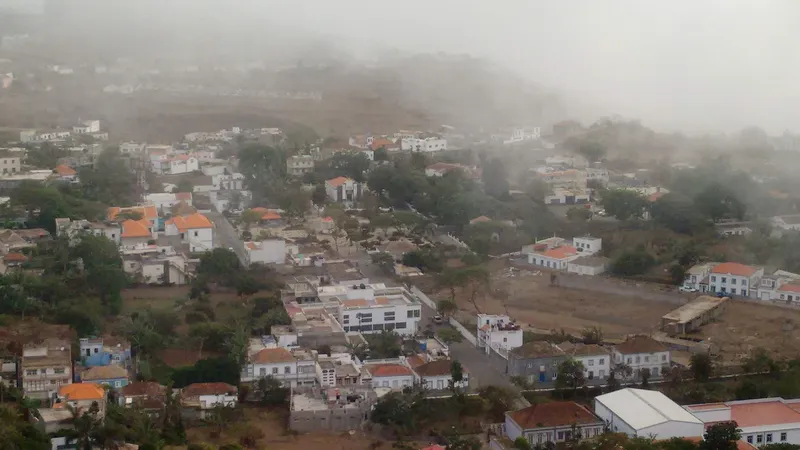
Brava, Cape Verde's smallest island, watches its houses empty out in step with emigration
With just a few thousand inhabitants and a population that keeps shrinking, Nova Sintra has a property market that is nearly frozen, kept alive solely by diasp…
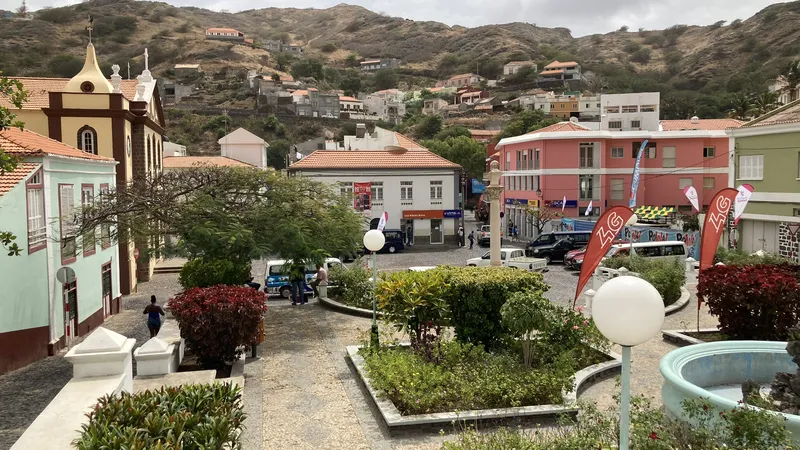
Ribeira Brava holds steady prices as emigration sets the market's pace
In São Nicolau, remittances from the diaspora sustain the building of family homes, but a lack of local buyers leaves a housing stock with many houses shut for…
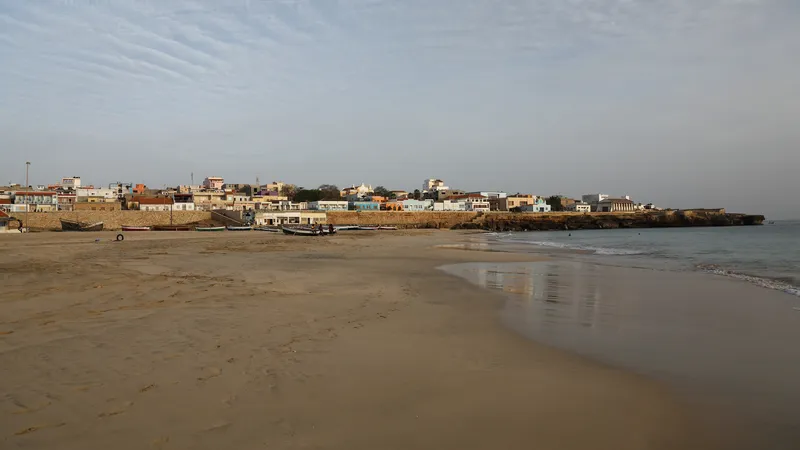
Maio, the island where buying a home is still nearly impossible for lack of supply
With the least developed property market in all of Cape Verde, Vila do Maio records barely any sales, while emigration leaves homes standing empty, neither sol…
Volcanic risk is already shaping house prices in São Filipe
At the foot of the Pico do Fogo volcano, memories of the last eruption continue to weigh on the value of homes near the caldera, while São Filipe's town centre…