Emigration leaves thousands of homes shuttered or half-built in Fogo
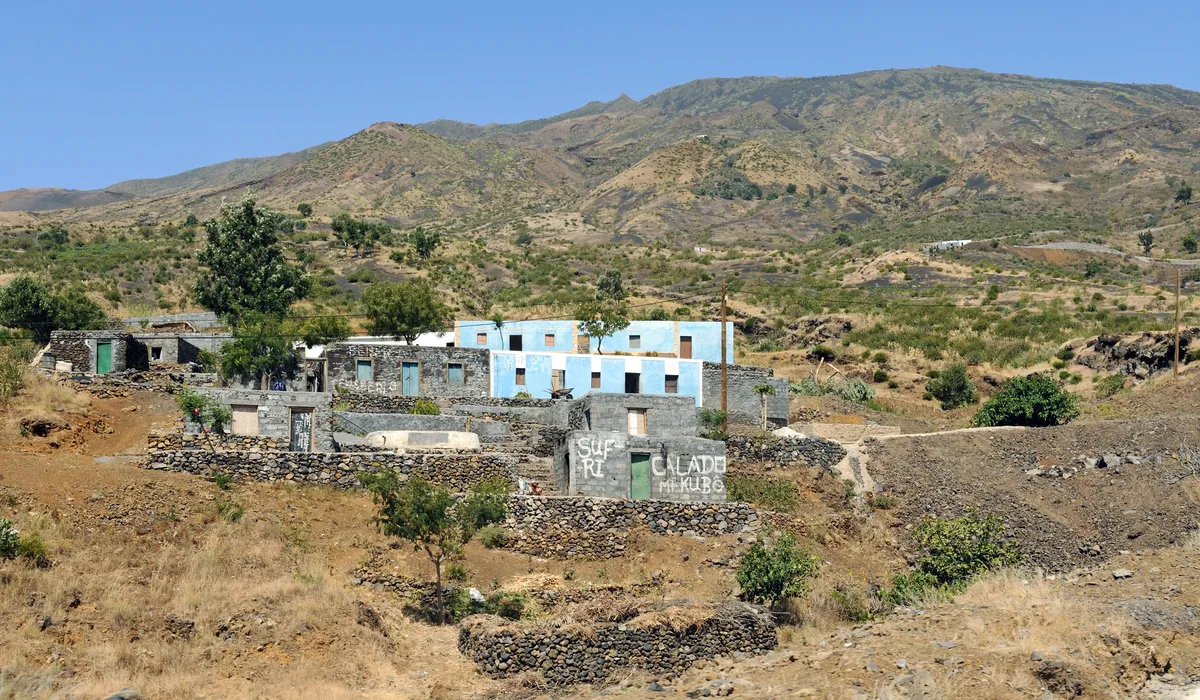
An island shaped by the diaspora
Fogo is one of the islands with the strongest tradition of emigration to New England.
Homes built for a return that does not always come
Large homes funded by remittances remain half-built for years.
An underused housing stock
A significant share of the housing stock is registered as occasionally used or empty.
A market stalled by unclear inheritance
Title disputes among heirs living in different countries are blocking sales and rentals.
From Boston to São Filipe: the remittance cycle
Many of Fogo's half-built homes are funded by remittances sent from Massachusetts, home to one of the largest Cabo Verdean communities in the United States. The money tends to arrive in irregular instalments, tied to whatever savings the emigrant has available, which is why many building projects crawl along intermittently for years. Construction often stops completely for long stretches and only resumes when a new remittance arrives. This pattern has shaped an urban landscape dotted with unfinished structures across much of the island.
Grand houses as a symbol of success
Homes funded from abroad tend to be larger and more lavishly finished than the local average, conceived as a visible sign of the family's success abroad. For many emigrants, finishing the house on their home island is a lifelong goal, even if the definitive return never actually happens. This symbolic logic explains why some homes remain shuttered and unoccupied even years after construction is completed. The phenomenon is especially visible around São Filipe and Mosteiros.
The push to sort out land titles
In recent years, the municipality has pushed land-registry regularisation drives aimed at clarifying ownership of homes inherited by several descendants living in different countries. The process is moving slowly, partly because tracking down and getting sign-off from every heir can take years. Municipal technicians acknowledge that, without this step, it is practically impossible to process a formal sale or rental. Regularisation is seen as a necessary condition for bringing much of the currently stalled housing stock back into use.
One possible way forward: renting to visitors
Some families have started exploring short-term rentals of these homes to diaspora members visiting the island for holidays or the patron saint festivities in August. This approach allows for one-off income without having to immediately resolve shared-ownership issues. A handful of emerging local agencies already offer to manage this kind of short-term letting between absent owners and occasional tenants. If it takes hold, this practice could help ease the island's chronic housing under-use.
More in News
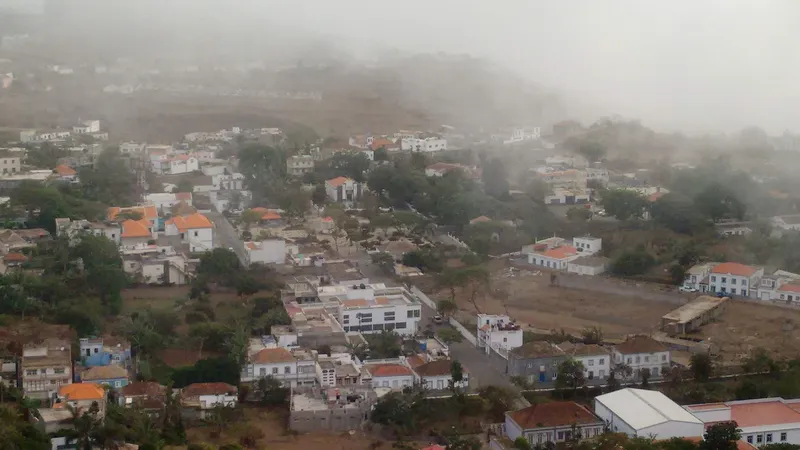
Brava, Cape Verde's smallest island, watches its houses empty out in step with emigration
With just a few thousand inhabitants and a population that keeps shrinking, Nova Sintra has a property market that is nearly frozen, kept alive solely by diasp…
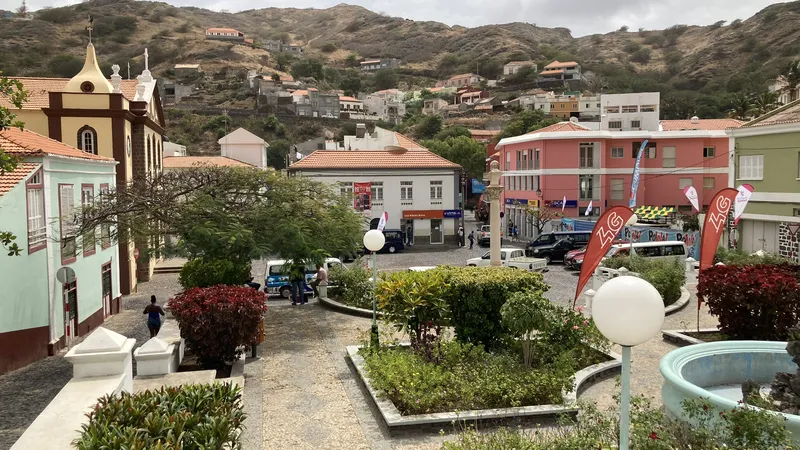
Ribeira Brava holds steady prices as emigration sets the market's pace
In São Nicolau, remittances from the diaspora sustain the building of family homes, but a lack of local buyers leaves a housing stock with many houses shut for…
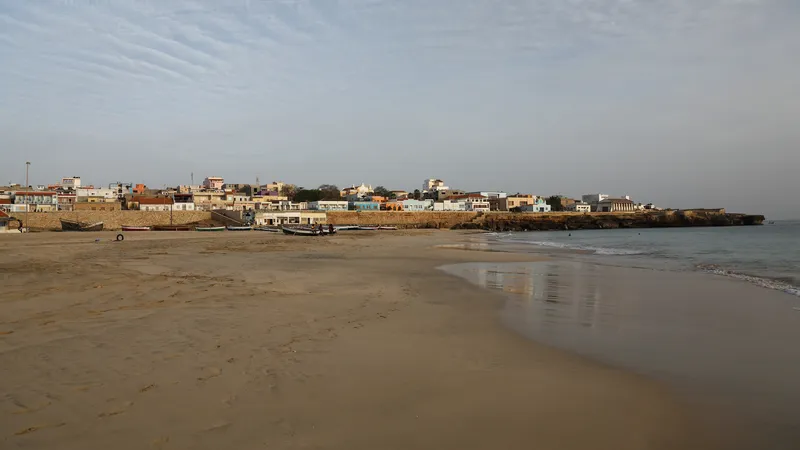
Maio, the island where buying a home is still nearly impossible for lack of supply
With the least developed property market in all of Cape Verde, Vila do Maio records barely any sales, while emigration leaves homes standing empty, neither sol…
Volcanic risk is already shaping house prices in São Filipe
At the foot of the Pico do Fogo volcano, memories of the last eruption continue to weigh on the value of homes near the caldera, while São Filipe's town centre…