The diving tourism boom drives up holiday lets in La Restinga
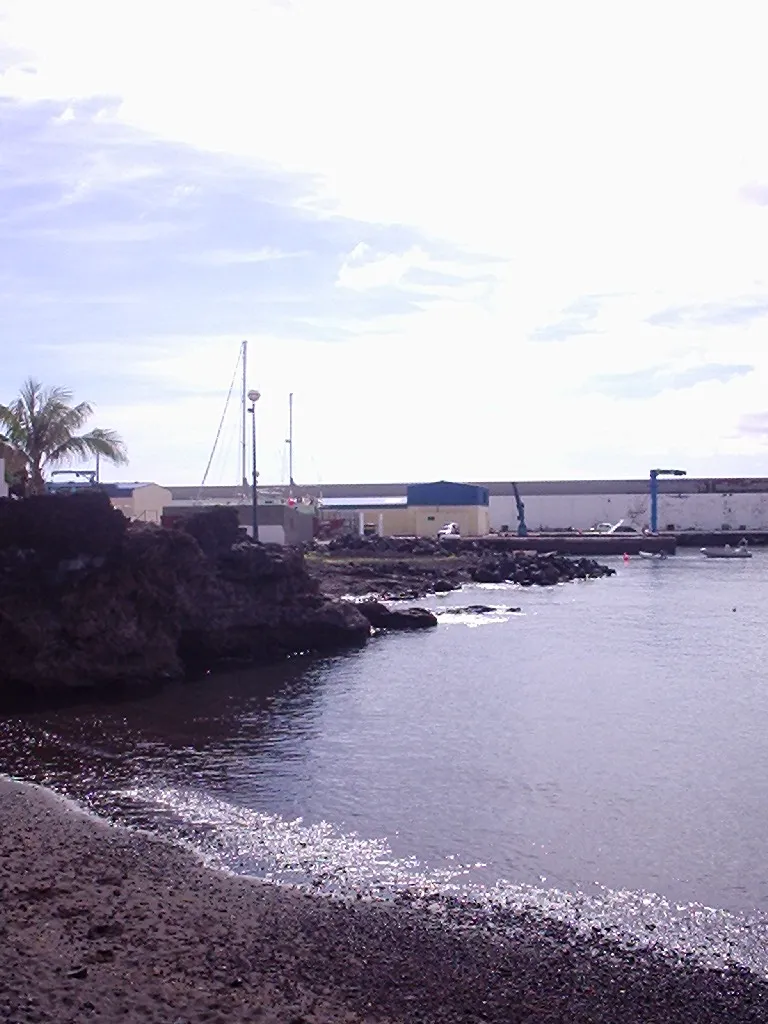
A fishing village turned diving destination
La Restinga, in the municipality of El Pinar, is a leading diving destination thanks to the Mar de las Calmas Marine Reserve.
Fewer flats for those who live and work there
The share of homes advertised on holiday-letting platforms has grown steadily.
Prices that soar in the high season
Nightly rates in the high season come to several times the monthly rent on a long-term let.
The response from El Pinar town hall
Municipal rules on holiday lets are under consideration.
A balance that is hard to hold
Residents want to see diving tourism stop short of emptying the village of permanent residents.
The Marine Reserve, three decades of drawing divers
The Mar de las Calmas Marine Reserve, designated in the early 1990s, protects a stretch of coast that has over time become one of the benchmarks for diving in Spanish waters, routinely compared with other sites in the Mediterranean. That reputation, built up over several decades, attracts both occasional divers and enthusiasts who return season after season, creating a demand for accommodation heavily concentrated into a few weeks of the year. La Restinga now lives by managing that seasonal influx with a housing stock that has barely grown over the same period.
Marine-sector workers with nowhere to live
The diving centres in La Restinga themselves admit to difficulties in housing the instructors and guides who come to the island for the season, competing head-on with short-term holiday lets. Several businesses have chosen to rent whole properties for their staff during the busiest months, which takes yet more supply out of the residential market available to other residents. On a smaller scale, the situation mirrors the pressures felt in other Canarian coastal areas with a strongly seasonal tourist trade.
Other diving towns held up as a model
El Pinar town hall has looked at regulatory experience in other established diving destinations, where the approach has been either to cap the number of tourist beds or to require specific licences for holiday lets in small settlements. None of those models has yet been translated into concrete measures for La Restinga, but they are informing the municipal debate now under way. Local officials insist that any measure will have to take account of the village's near-total dependence on tourism linked to the sea.
Residents who do not want to lose the village's character
Residents' associations in La Restinga are calling for whatever rules are finally adopted to guarantee that the village keeps a permanent population all year round, beyond the activity generated in the high season. They point out that La Restinga was a fishing village for generations before it became a diving destination, and fear that specialising in tourism will end up emptying it of permanent residents unless limits are set in time. The debate over those rules remains open within El Pinar town hall.
More in News
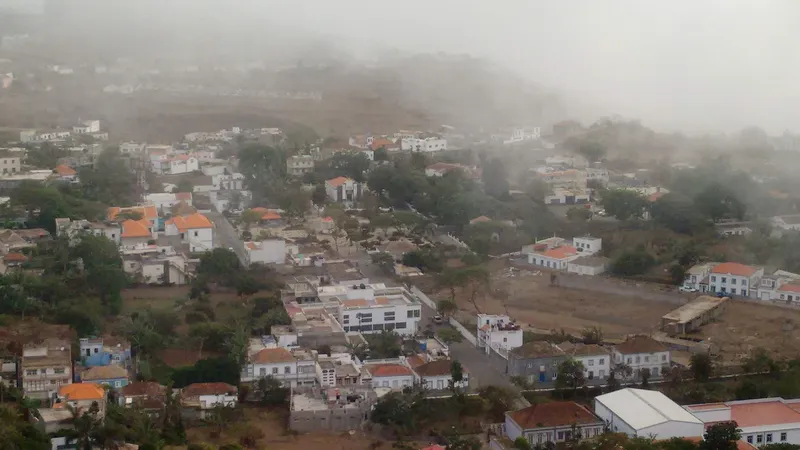
Brava, Cape Verde's smallest island, watches its houses empty out in step with emigration
With just a few thousand inhabitants and a population that keeps shrinking, Nova Sintra has a property market that is nearly frozen, kept alive solely by diasp…
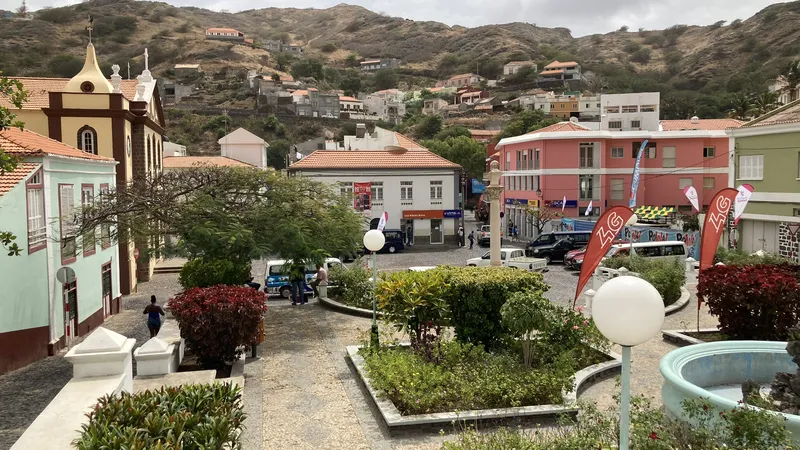
Ribeira Brava holds steady prices as emigration sets the market's pace
In São Nicolau, remittances from the diaspora sustain the building of family homes, but a lack of local buyers leaves a housing stock with many houses shut for…
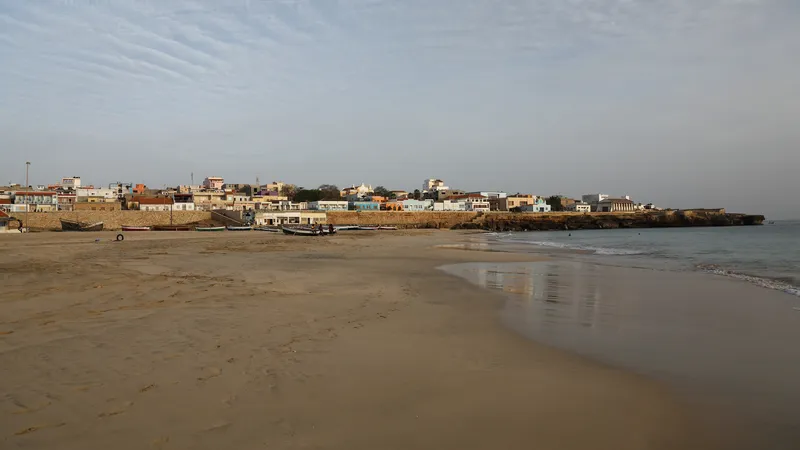
Maio, the island where buying a home is still nearly impossible for lack of supply
With the least developed property market in all of Cape Verde, Vila do Maio records barely any sales, while emigration leaves homes standing empty, neither sol…

Volcanic risk is already shaping house prices in São Filipe
At the foot of the Pico do Fogo volcano, memories of the last eruption continue to weigh on the value of homes near the caldera, while São Filipe's town centre…