The cost of building in São Jorge soars due to reliance on sea transport with Faial and Pico
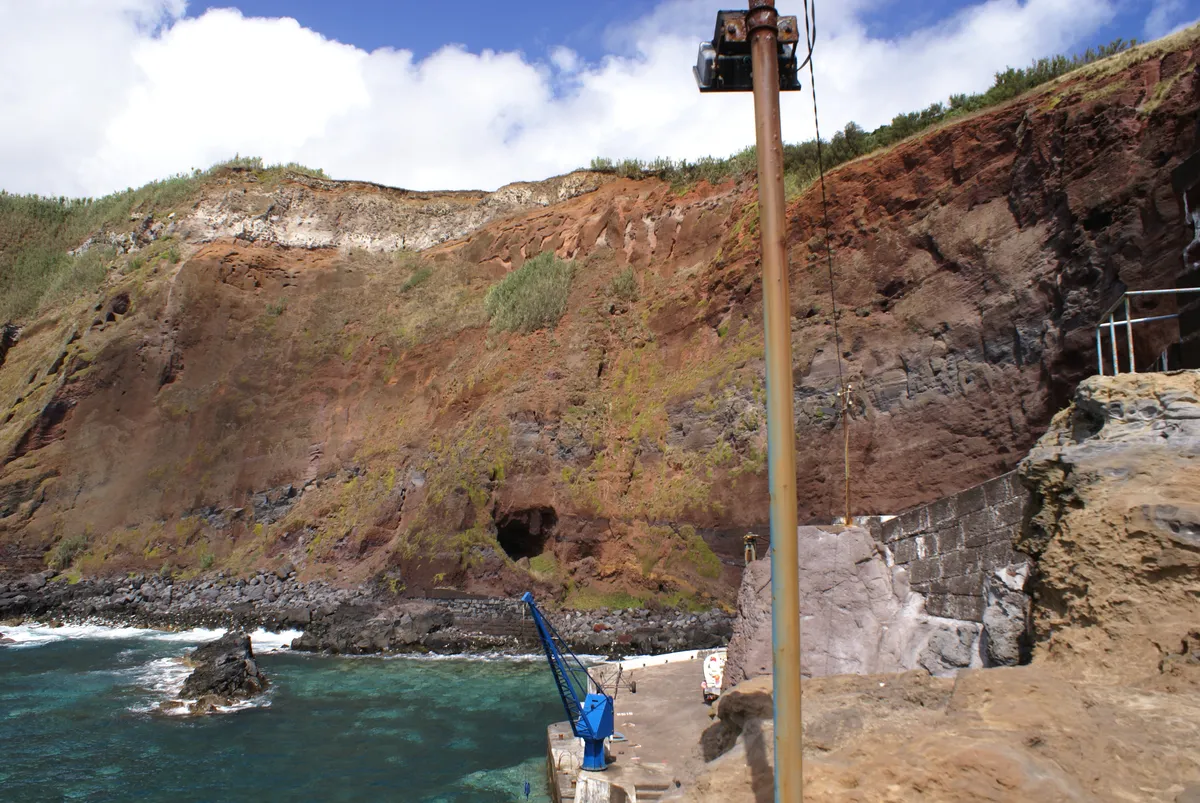
Everything arrives by boat
Almost all building material arrives via ports such as Vila do Topo after a crossing from Faial and Pico.
Delays that translate into extra costs
Cancellations due to rough seas force firms to stockpile well in advance.
Air freight: an expensive alternative
It is only used for specific items, not large volumes of building material.
A long-standing demand on the island
Calls are being made to improve the frequency and capacity of sea links with Faial and Pico.
Vila do Topo and Calheta, the island's sea gateways
Most of the building material reaching São Jorge enters through the ports of Vila do Topo and Calheta, after a crossing from Faial and Pico that can lengthen depending on sea conditions. Local builders describe a tightly run logistics chain, in which any delay in the crossing immediately affects the schedule of ongoing works, especially the larger ones.
Stockpiling months in advance, the only formula that works
Given the irregularity of the ferry service, developers on the island have taken to stockpiling cement, steel and other heavy materials several months in advance. This foresight raises the financial cost of every project, tying up capital in storage for long periods — an expense ultimately passed on to the sale price of the finished home.
A problem shared with Pico, Faial and Corvo
The phenomenon is not exclusive to São Jorge. Islands such as Pico, Faial or Corvo, within the same Central Group of the Azores, face similar cost increases stemming from their reliance on inter-island sea transport, though the intensity varies depending on each port's traffic volume and the frequency of available connections.
Builders ask the Regional Government for a structural response
Business associations on the island have told the Regional Government of the Azores of the need to strengthen the frequency and capacity of sea links with Faial and Pico, regarding this connection as essential infrastructure for housing and not just for passenger transport. For now, any improvement announced takes years to translate into a real increase in cargo capacity.
More in News
Brava, Cape Verde's smallest island, watches its houses empty out in step with emigration
With just a few thousand inhabitants and a population that keeps shrinking, Nova Sintra has a property market that is nearly frozen, kept alive solely by diasp…
Ribeira Brava holds steady prices as emigration sets the market's pace
In São Nicolau, remittances from the diaspora sustain the building of family homes, but a lack of local buyers leaves a housing stock with many houses shut for…
Maio, the island where buying a home is still nearly impossible for lack of supply
With the least developed property market in all of Cape Verde, Vila do Maio records barely any sales, while emigration leaves homes standing empty, neither sol…

Volcanic risk is already shaping house prices in São Filipe
At the foot of the Pico do Fogo volcano, memories of the last eruption continue to weigh on the value of homes near the caldera, while São Filipe's town centre…