Cape Verdean diaspora in the United States, the Netherlands and Portugal revives home-buying in Praia and Assomada
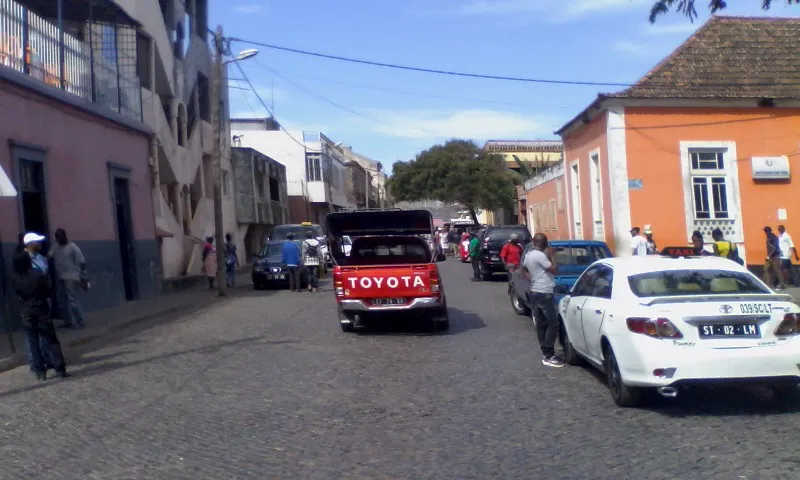
Remittances turned into bricks and mortar
A mid-range home in Palmarejo or Prainha costs between 25 and 40 million CVE.
Assomada, a destination for the diaspora returning inland
Cape Verdeans from Santa Catarina are buying or renovating family homes in Assomada.
A market adapting to demand from abroad
Local managers handle property purchases or renovations remotely on clients' behalf.
Effect on local prices
Buyers paying in strong currency are pulling up the benchmark price in the area.
Boston, Rotterdam and Lisbon, the three biggest sources
Praia estate agents identify three main diaspora hubs active in the market: the Cape Verdean community in Boston and its metropolitan area, that of Rotterdam and other Dutch cities, and that of Lisbon and its metropolitan belt. Each group maintains different ties to the island of Santiago, but shares the same goal of securing a family home or a long-term investment. Transfers tend to coincide with the summer holidays, when buyers themselves travel to oversee building works or sign deeds. Industry professionals estimate that this group now accounts for a significant share of deals closed in Palmarejo and Prainha over the past year.
The role of trusted local managers and agents
Many purchases are closed without the owner setting foot in Cabo Verde for months, relying on powers of attorney and on agents who send photos and videos of every stage of the build. These local managers have become key links in the chain, handling council paperwork, hiring builders and overseeing materials. Their reputation spreads by word of mouth among Cape Verdean associations abroad, concentrating much of the business among a small number of firms in Praia. Some have started charging extra fees for remote oversight, a service that was free just a few years ago.
Homes waiting years for their owners' final return
Not every building is occupied straight away. It is common to find homes built up over several years, financed by successive remittances, that stand shut up or half-finished while their owners keep working abroad. Many families see them as their retirement home, a project completed in stages as savings come in. This pattern, common in other islands with a strong migration tradition, explains why finished plots sit alongside others where work has long since stalled.
Unease among buyers without remittance income
The phenomenon is not universally welcomed. Families in Praia and Assomada without income in strong currency say it is getting harder to compete for a mid-range home in the most sought-after neighbourhoods. Some residents note that benchmark prices no longer reflect local salaries, but rather what someone earning in dollars or euros can afford to pay. The debate has also reached municipal officials, who are considering whether to set aside a share of affordable land for the resident population.
More in News
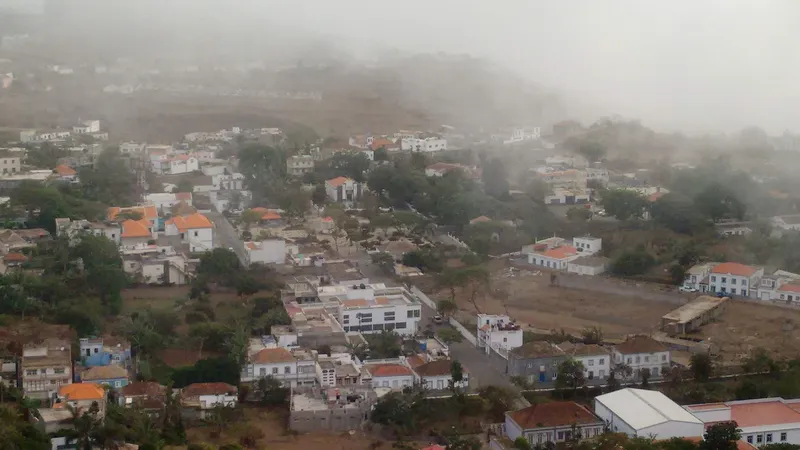
Brava, Cape Verde's smallest island, watches its houses empty out in step with emigration
With just a few thousand inhabitants and a population that keeps shrinking, Nova Sintra has a property market that is nearly frozen, kept alive solely by diasp…
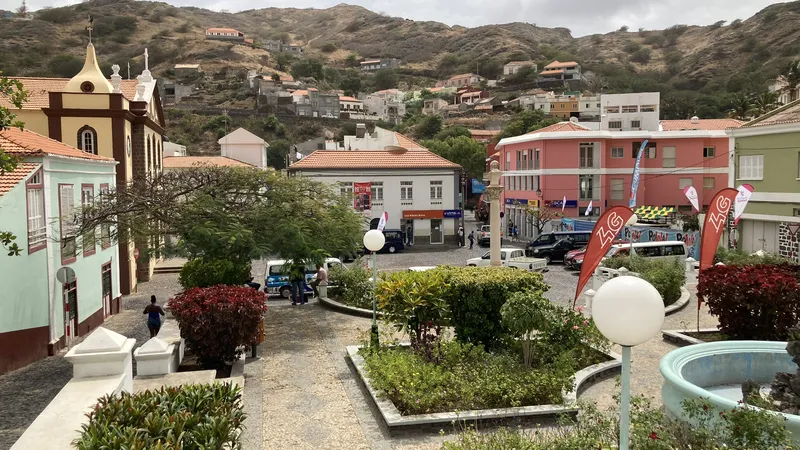
Ribeira Brava holds steady prices as emigration sets the market's pace
In São Nicolau, remittances from the diaspora sustain the building of family homes, but a lack of local buyers leaves a housing stock with many houses shut for…
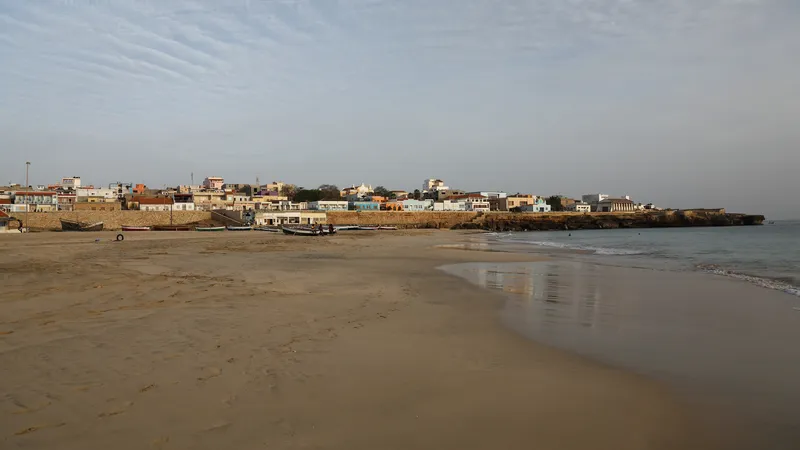
Maio, the island where buying a home is still nearly impossible for lack of supply
With the least developed property market in all of Cape Verde, Vila do Maio records barely any sales, while emigration leaves homes standing empty, neither sol…
Volcanic risk is already shaping house prices in São Filipe
At the foot of the Pico do Fogo volcano, memories of the last eruption continue to weigh on the value of homes near the caldera, while São Filipe's town centre…