In Calheta and Morro, livestock farming still dictates land use ahead of any residential project
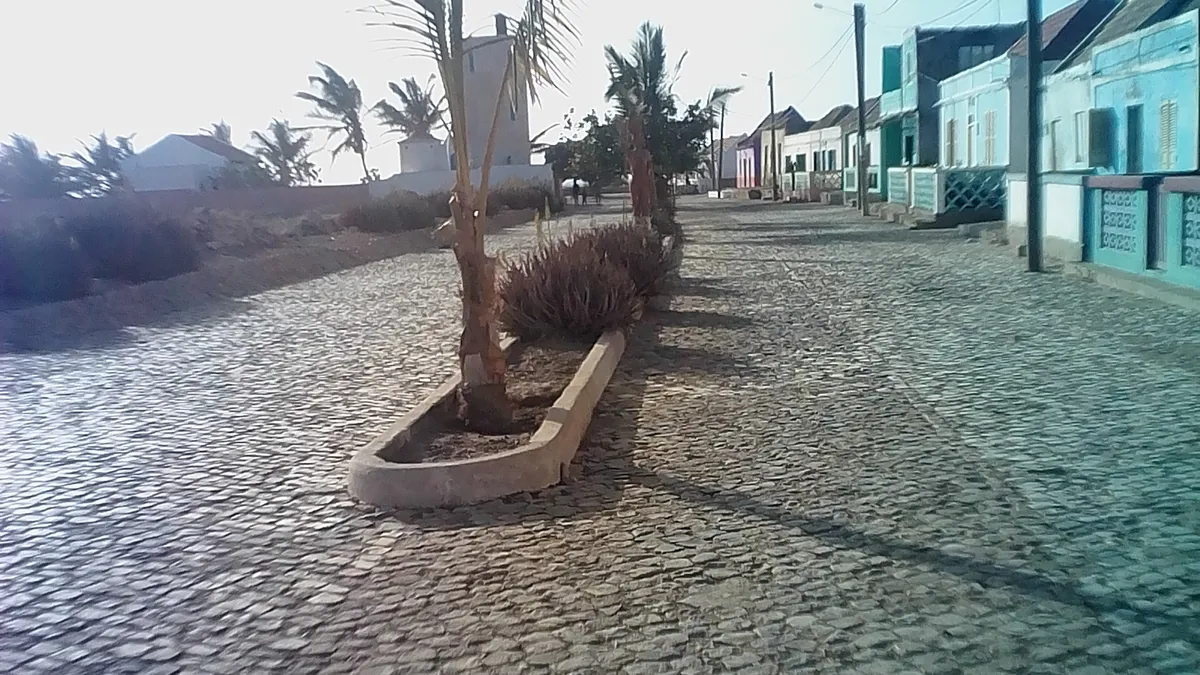
A farming interior, not a residential one
Calheta and Morro still live off an economy built on extensive goat and cattle farming.
Low prices, but little development
Land changes hands at between 300 and 500 CVE/m², far below capital city levels.
Scattered houses living alongside pasture
Homes are scattered thinly across the grazing land.
No pressure to change the model
There is no pressure to turn grazing land over to housing.
A farming tradition handed down through generations
Goat and cattle rearing in Calheta and Morro goes back several generations of families who have inherited both the animals and the customary use of common pasture. That tradition shapes the way land ownership is understood here, where the value of a plot is measured by how many animals it can support rather than by its development potential. The farmers themselves acknowledge that they would be unlikely to give up the activity even if offers to buy came their way.
How it compares with Sal and its tourist coastline
While a square metre of development land on Sal can comfortably exceed 4,000 CVE in areas close to the airport, in the farming interior of Maio prices remain between 300 and 500 CVE per square metre, a gap that illustrates just how little property pressure these plots face. Residents themselves do not see that difference as a disadvantage, but rather as a guarantee that their rural way of life can carry on undisturbed.
Basic infrastructure, not housing schemes
In these settlements the local authorities are prioritising better farm tracks and access to wells and drinking troughs over any kind of development plan. What residents want above all is road maintenance and a stable electricity supply, not new building plots. That focus for public investment reinforces the agricultural character of the area and keeps any larger residential scheme at bay, at least in the short term.
A model that could well endure
The experts consulted agree that as long as livestock farming remains profitable and no significant tourist demand emerges in the island's interior, Calheta and Morro will keep their present shape of houses dotted among the pastures. The lack of reliable water and electricity infrastructure, an issue flagged in other settlements on Maio, further reduces the appeal of these areas for any developer from outside the farming sector.
More in News
Brava, Cape Verde's smallest island, watches its houses empty out in step with emigration
With just a few thousand inhabitants and a population that keeps shrinking, Nova Sintra has a property market that is nearly frozen, kept alive solely by diasp…
Ribeira Brava holds steady prices as emigration sets the market's pace
In São Nicolau, remittances from the diaspora sustain the building of family homes, but a lack of local buyers leaves a housing stock with many houses shut for…
Maio, the island where buying a home is still nearly impossible for lack of supply
With the least developed property market in all of Cape Verde, Vila do Maio records barely any sales, while emigration leaves homes standing empty, neither sol…
Volcanic risk is already shaping house prices in São Filipe
At the foot of the Pico do Fogo volcano, memories of the last eruption continue to weigh on the value of homes near the caldera, while São Filipe's town centre…