Bangaeira rises again on the lava: rebuilding brings homes back to Chã das Caldeiras
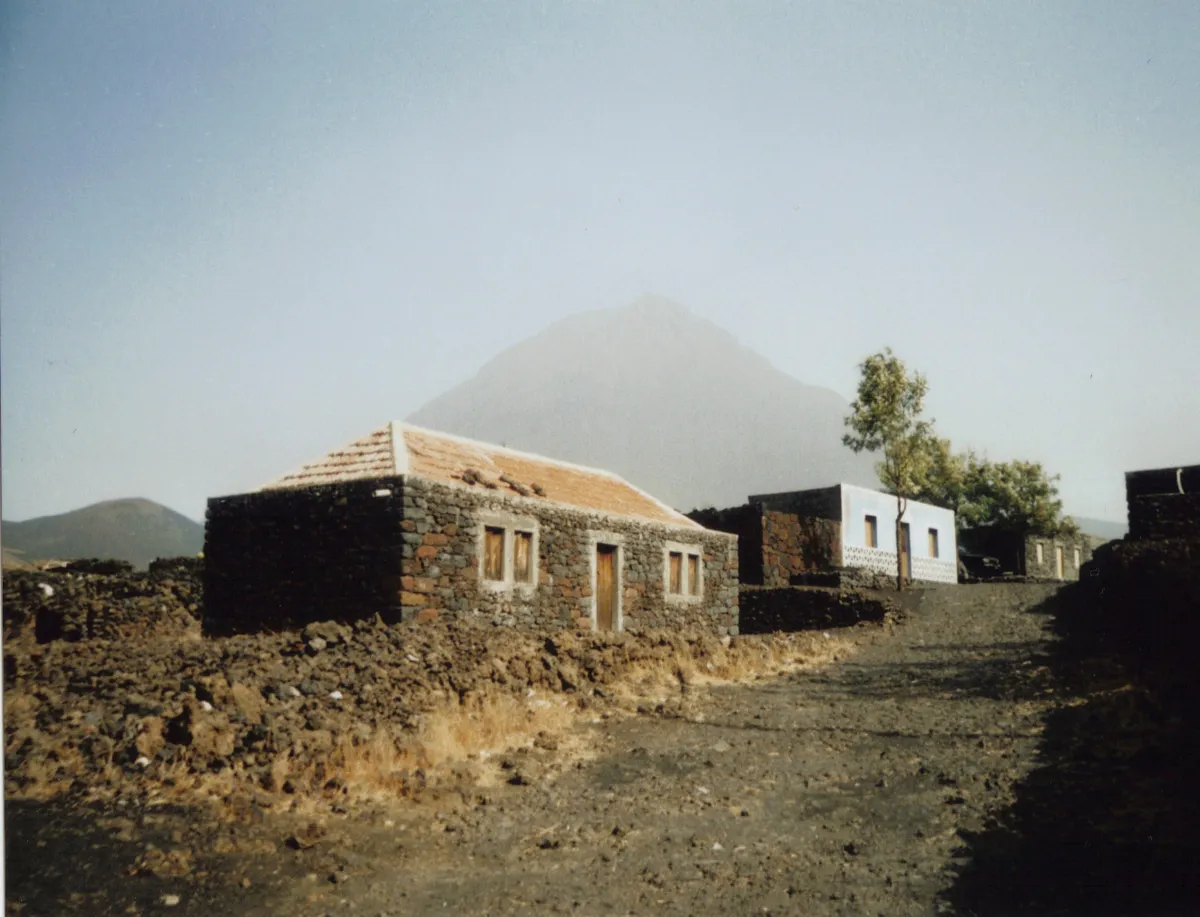
The return to the caldera
Chã das Caldeiras' population today is close to pre-eruption levels.
New homes on fresh lava
A basic rebuilt home costs around 1,800,000 CVE.
The cost of rebuilding on volcanic ground
Materials have to be trucked up from the port, adding 20-30% to construction costs.
Between public aid and self-build
Many of the recent homes are being built without a technical plan or a regularised title.
The eruption that emptied the caldera
The Pico do Fogo eruption of late 2014 and early 2015 covered much of Chã das Caldeiras in lava and forced almost all of its residents to evacuate to São Filipe and other towns on the island. Many families spent several years in temporary housing, waiting for permission to return to the caldera. Their bond with the land, the vines and the volcanic landscape itself outweighed the risk when it came to deciding whether to go back. For many residents, Chã das Caldeiras never stopped being the only place they thought of as home.
Support from international cooperation
Part of the rebuilding has been funded with help from Portuguese and Luxembourgish development agencies, along with one-off contributions from the Fogo diaspora in the United States. This funding has mainly gone towards fitting the new homes with basic infrastructure, such as water tanks and solar panels. Even so, residents themselves acknowledge that most of the rebuilding effort rests on family savings and mutual help among relatives. São Filipe's municipal authorities insist that outside cooperation will remain necessary for years to come.
Living once again in the volcano's shadow
Those who have returned explain their decision by their ties to vine-growing and the lack of comparable economic alternatives outside the caldera. The volcanic landscape itself, now a tourist draw, also provides an extra source of income through local guiding and rural accommodation. Some admit they sleep uneasily on nights when the island's observatory records higher seismic activity. Even so, daily life in Chã das Caldeiras has largely recovered the rhythm it had before the eruption.
A future shaped by volcanic risk
Cabo Verdean authorities are still debating whether to restrict new building in certain parts of the caldera considered most hazardous. Volcanology specialists stress that any future eruption could follow a pattern similar to that of 2014, with little warning time. In the face of this uncertainty, there is still no specific volcanic-risk insurance product accessible to Chã das Caldeiras families. For most people, living alongside the volcano remains more a matter of habit than of risk calculation.
More in News
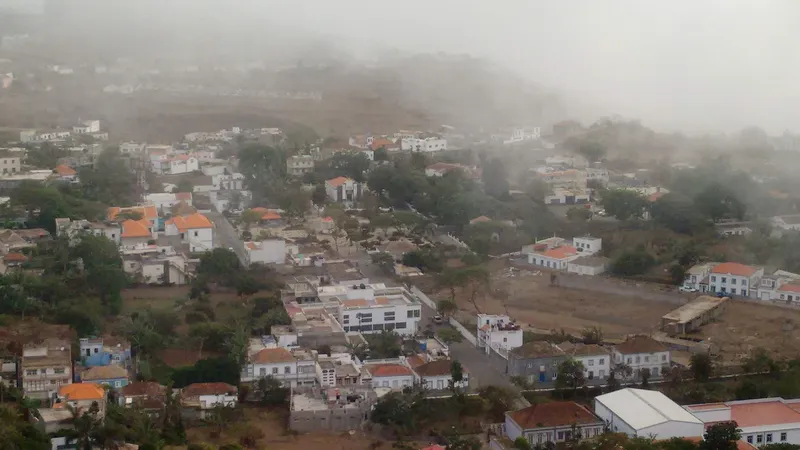
Brava, Cape Verde's smallest island, watches its houses empty out in step with emigration
With just a few thousand inhabitants and a population that keeps shrinking, Nova Sintra has a property market that is nearly frozen, kept alive solely by diasp…
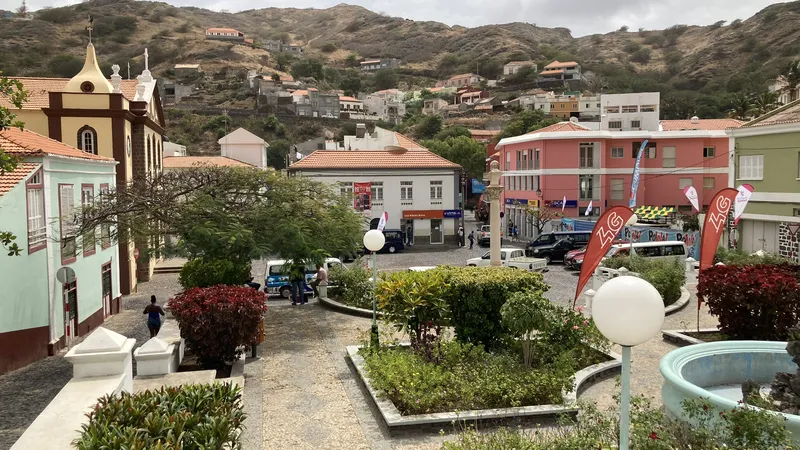
Ribeira Brava holds steady prices as emigration sets the market's pace
In São Nicolau, remittances from the diaspora sustain the building of family homes, but a lack of local buyers leaves a housing stock with many houses shut for…
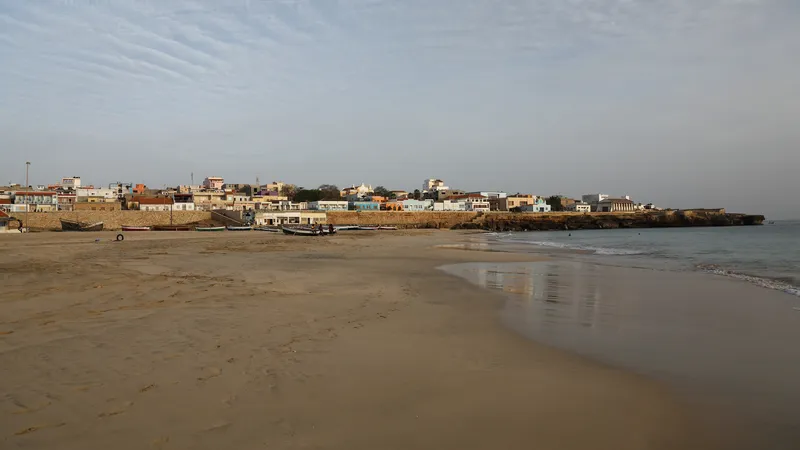
Maio, the island where buying a home is still nearly impossible for lack of supply
With the least developed property market in all of Cape Verde, Vila do Maio records barely any sales, while emigration leaves homes standing empty, neither sol…
Volcanic risk is already shaping house prices in São Filipe
At the foot of the Pico do Fogo volcano, memories of the last eruption continue to weigh on the value of homes near the caldera, while São Filipe's town centre…