Arrecife joins the debate on strained housing markets as the Cabildo studies new measures to curb prices
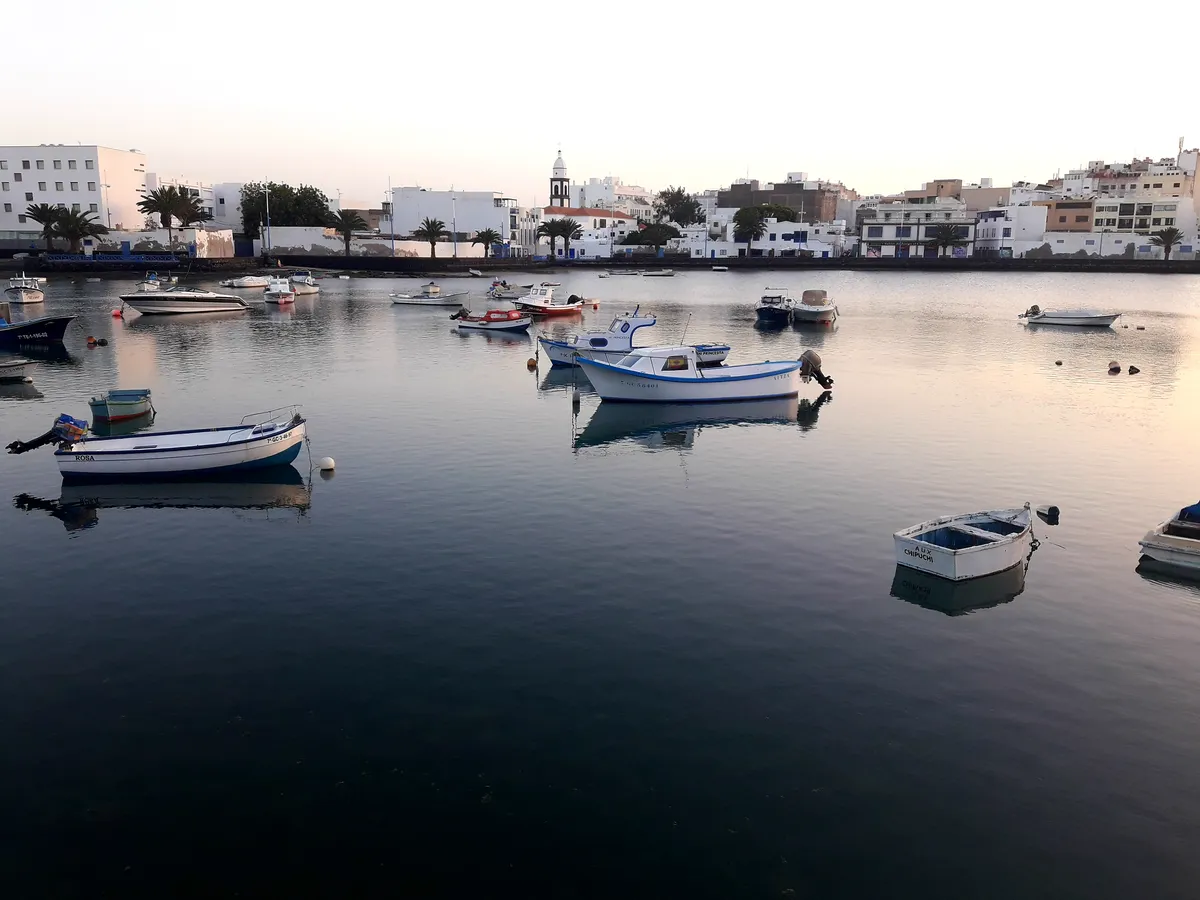
Arrecife, the capital of Lanzarote, has long absorbed a significant share of housing demand across the island, as its main centre of population and of employment outside tourism itself. According to property portals, rents in districts such as Titerroy and around the Charco de San Ginés have risen steadily in recent years, a pace that residents' groups and council technical staff link to the criteria used under national legislation to designate a strained residential market area.
A capital absorbing pressure from across the island
Municipal sources explain that many of those who cannot afford rents in the coastal resorts end up looking for housing in Arrecife, transferring the pressure from the coast to the capital. Added to that demand are the public servants, health workers and teachers posted to the island who, according to property sector sources, compete for a rental stock that has not grown at the same pace as the population.
The Cabildo weighs up its room for action
The Cabildo of Lanzarote, which coordinates much of the island's housing and land-use policy, has acknowledged that it is studying possible measures to intervene in the rental market alongside Arrecife Town Council and the Canary Islands Government, from affordable housing pools to tax incentives for landlords who let at moderate rents. Institutional sources insist that any formal designation of a strained market area would first require a detailed, district-by-district assessment of prices and average household incomes.
Residents' groups want action now
Residents' associations in Arrecife have spent months calling for that assessment to be speeded up, fearing that middle and low-income families will end up pushed out of the capital towards more distant municipalities, with the resulting rise in daily commuting on an island where public transport remains limited.
More in News
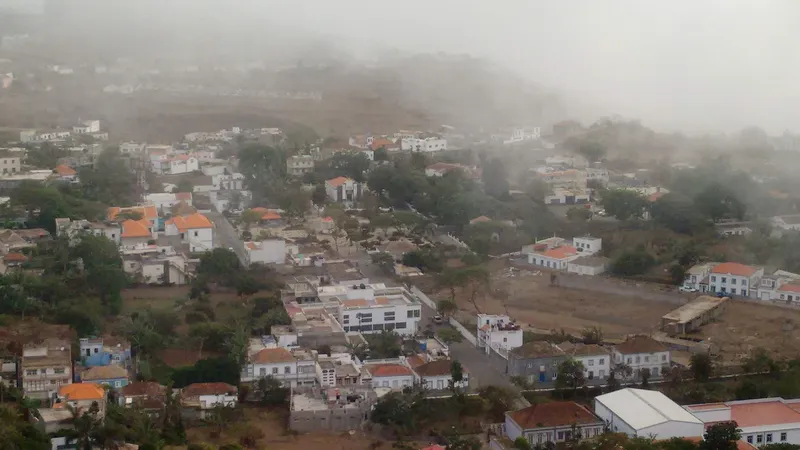
Brava, Cape Verde's smallest island, watches its houses empty out in step with emigration
With just a few thousand inhabitants and a population that keeps shrinking, Nova Sintra has a property market that is nearly frozen, kept alive solely by diasp…
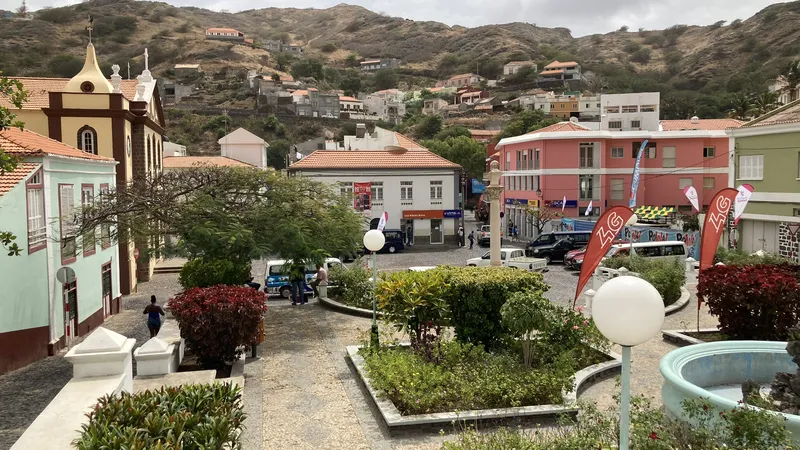
Ribeira Brava holds steady prices as emigration sets the market's pace
In São Nicolau, remittances from the diaspora sustain the building of family homes, but a lack of local buyers leaves a housing stock with many houses shut for…
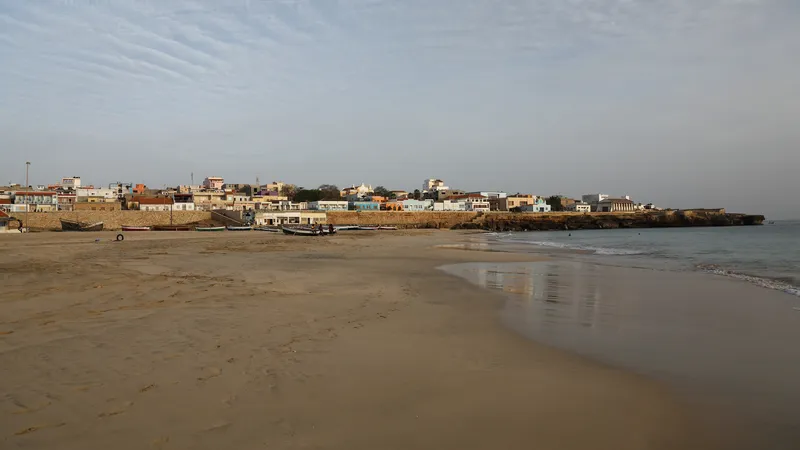
Maio, the island where buying a home is still nearly impossible for lack of supply
With the least developed property market in all of Cape Verde, Vila do Maio records barely any sales, while emigration leaves homes standing empty, neither sol…

Volcanic risk is already shaping house prices in São Filipe
At the foot of the Pico do Fogo volcano, memories of the last eruption continue to weigh on the value of homes near the caldera, while São Filipe's town centre…