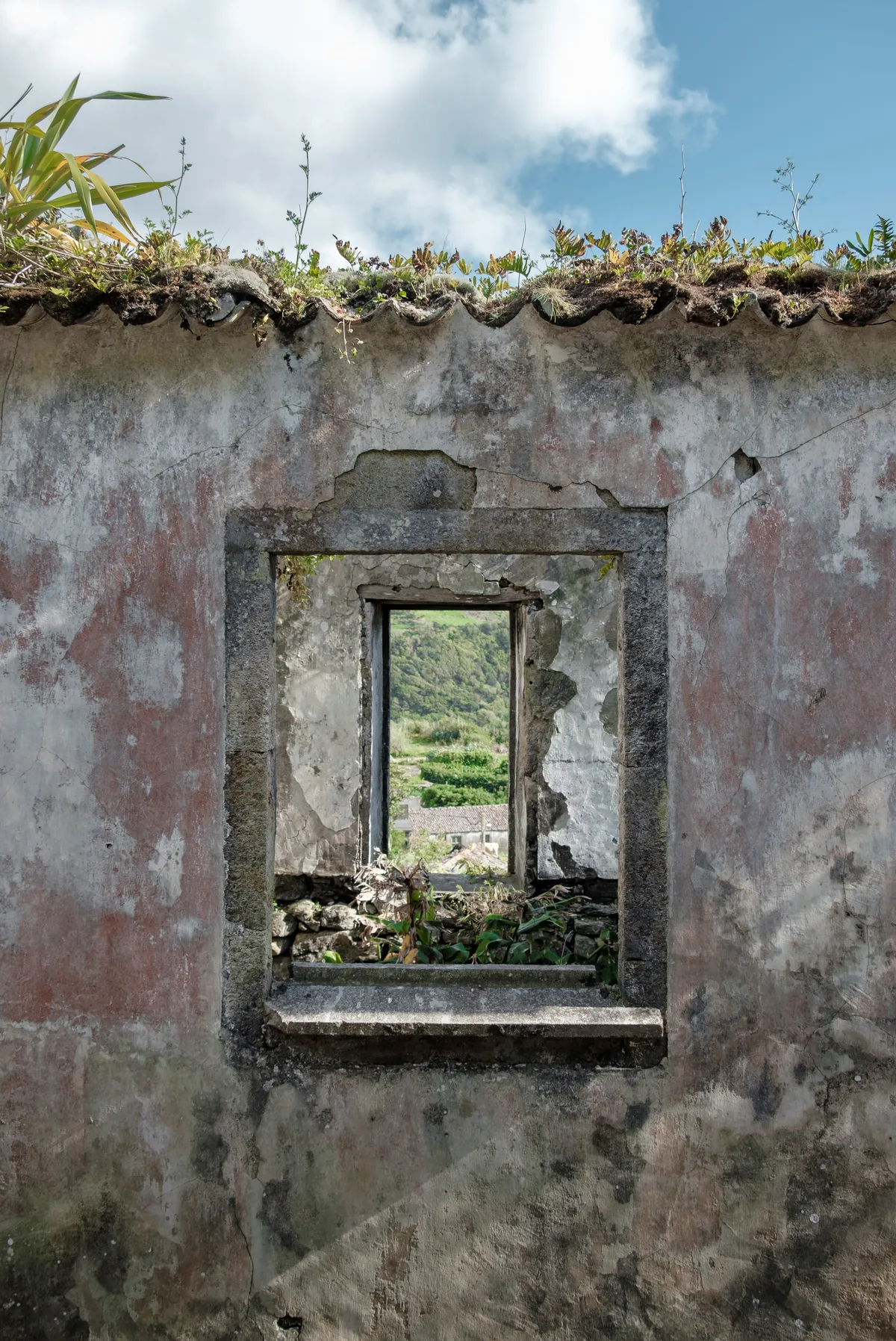
Abandoned houses in Lajedo, a visible scar from Flores' emigration to the United States and Canada
A village marked by departure
Lajedo, a parish in the municipality of Lajes das Flores with just 75 inhabitants according to the latest census, still has several abandoned stone houses lining its streets, roofs collapsed and doors sealed for generations. Local property sources explain that many of these houses belong to families who emigrated between the 1950s and 1980s to Portuguese communities in the United States and Canada, mainly in Massachusetts, Rhode Island and Ontario.
Scattered heirs, decisions postponed
With the original owners now deceased in many cases, ownership of these houses has passed to heirs living outside Portugal who, according to estate agents on the island, don't always agree among themselves on whether to sell, renovate or simply keep the family property shut up. That uncertainty explains, the same sources note, why so many houses in Lajedo remain in legal limbo for years without ever coming onto the market.
The diaspora's return, a modest opportunity
In recent years, some descendants of emigrants have started visiting Lajedo to reconnect with their grandparents' house, occasionally considering renovating it as a second home, according to sources in the property sector. These are still isolated cases, but local agencies are watching them closely as a possible way to slowly revive the housing stock in the island's most depopulated parishes.
A pattern repeated across the island
Lajedo's situation is not unique: municipal sources in Lajes das Flores point to a similar pattern in other small parishes, where historic emigration left more houses than inhabitants. The municipality itself has steadily lost population since the mid-20th century, according to historical figures cited by the local administration.
Between memory and the market
Cultural associations on the island are calling for an inventory of these shuttered houses and for facilitating contact between emigrant heirs and potential buyers or renovators, as a way of preventing them from continuing to fall into ruin. In the meantime, sources in the property sector warn that every year that passes without action makes eventual renovation more expensive and reduces the chances of bringing these homes back into residential use.
More in News
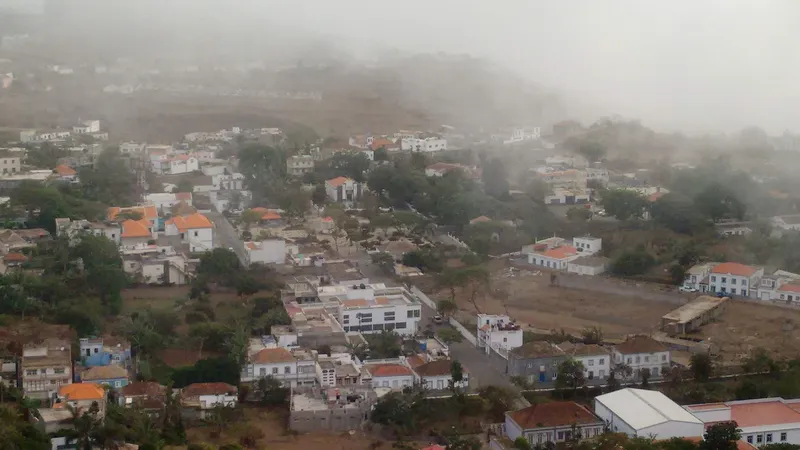
Brava, Cape Verde's smallest island, watches its houses empty out in step with emigration
With just a few thousand inhabitants and a population that keeps shrinking, Nova Sintra has a property market that is nearly frozen, kept alive solely by diasp…
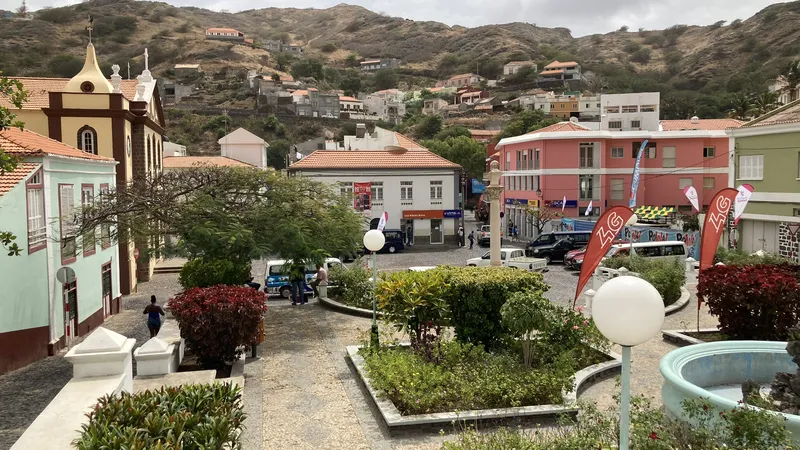
Ribeira Brava holds steady prices as emigration sets the market's pace
In São Nicolau, remittances from the diaspora sustain the building of family homes, but a lack of local buyers leaves a housing stock with many houses shut for…
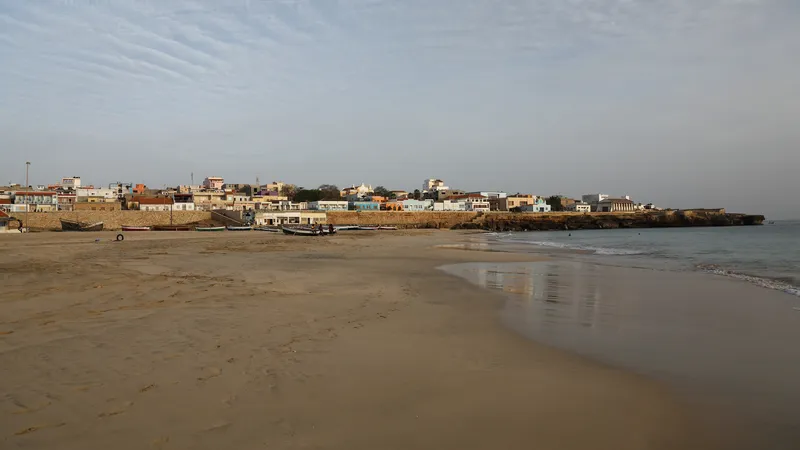
Maio, the island where buying a home is still nearly impossible for lack of supply
With the least developed property market in all of Cape Verde, Vila do Maio records barely any sales, while emigration leaves homes standing empty, neither sol…
Volcanic risk is already shaping house prices in São Filipe
At the foot of the Pico do Fogo volcano, memories of the last eruption continue to weigh on the value of homes near the caldera, while São Filipe's town centre…