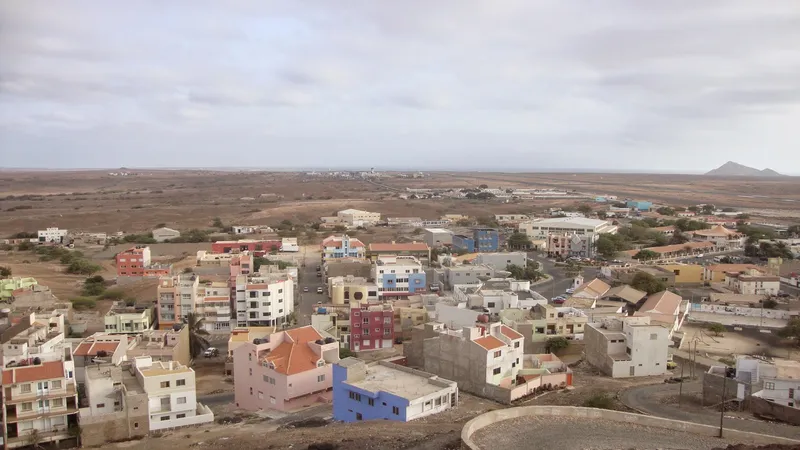
Sal
Espargos' young people caught between tourism wages and rising house prices
Hotel workers living in Espargos say their wages are not keeping pace with house prices.
Friday 28 de August de 2026 · Macaronesia
Hotel workers living in Espargos say their wages are not keeping pace with house prices.
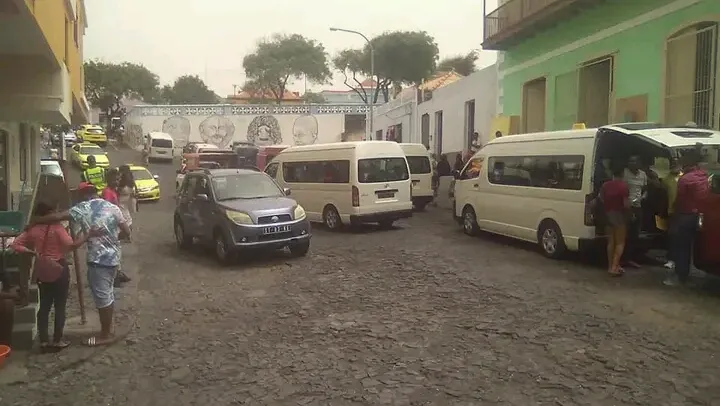
The shortage of developable land and rising price per square metre are pushing young people in Fogo's capital to stay with their parents or emigrate.
Second- and third-generation descendants are showing growing, though still minority, interest in restoring their ancestors' home.
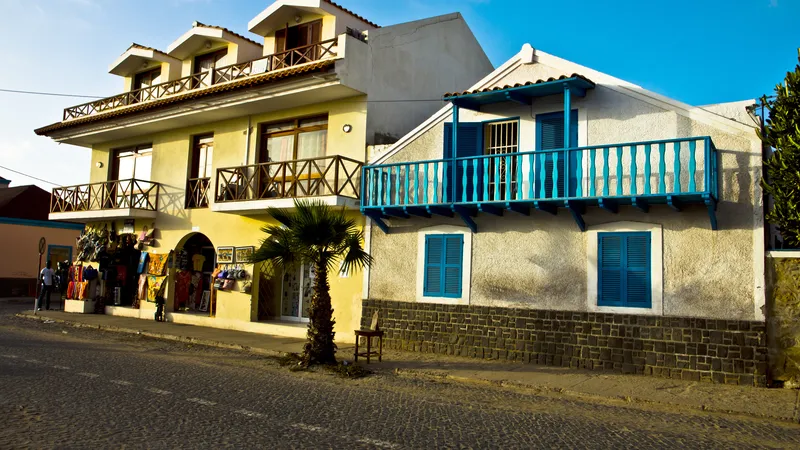
While coastal resorts reach European prices, much of the population lives in housing worth far less.
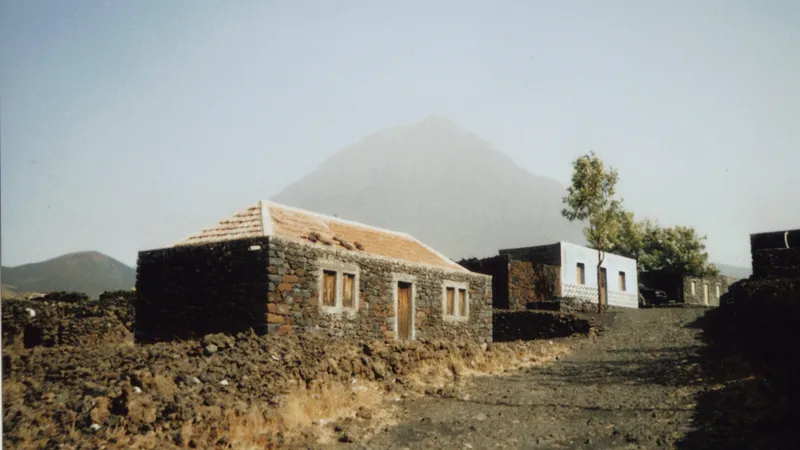
A decade after Pico do Fogo devastated the caldera, dozens of families have rebuilt their homes on the same volcanic ground.
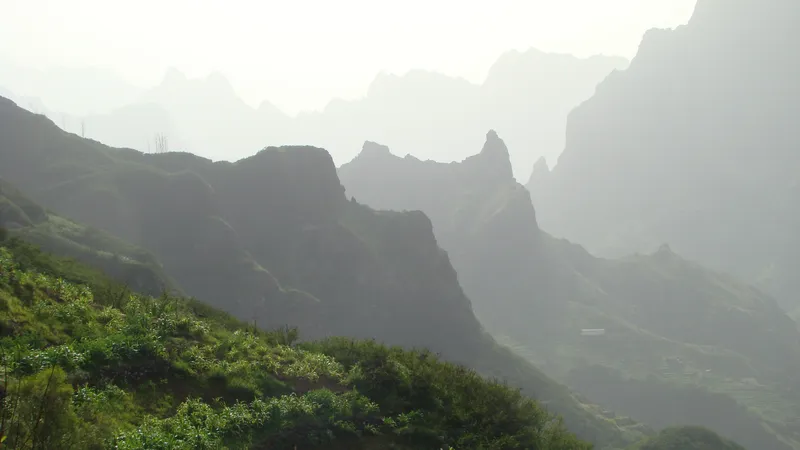
The growing influx of European hikers to Santo Antão's trails has multiplied the supply of tourist accommodation in Ribeira Grande and Ponta do Sol.
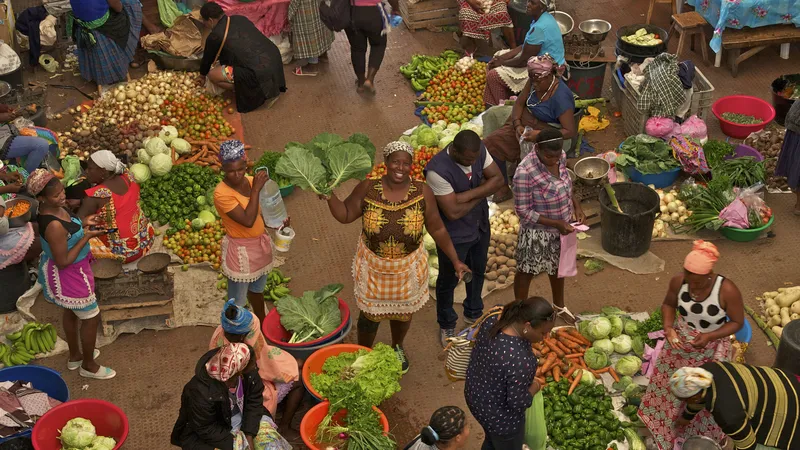
Assomada's market combines the buying and selling of urban plots near the market with that of the surrounding farmland.

The lack of high-capacity transport infrastructure means almost all building materials have to arrive by ferry or via the small airstrip.
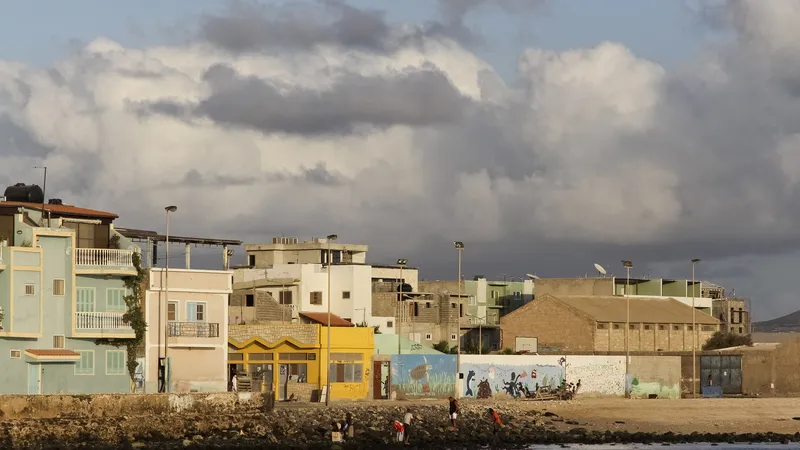
Waiters, receptionists and cleaning staff say they can no longer afford to buy a home of their own in Sal Rei.
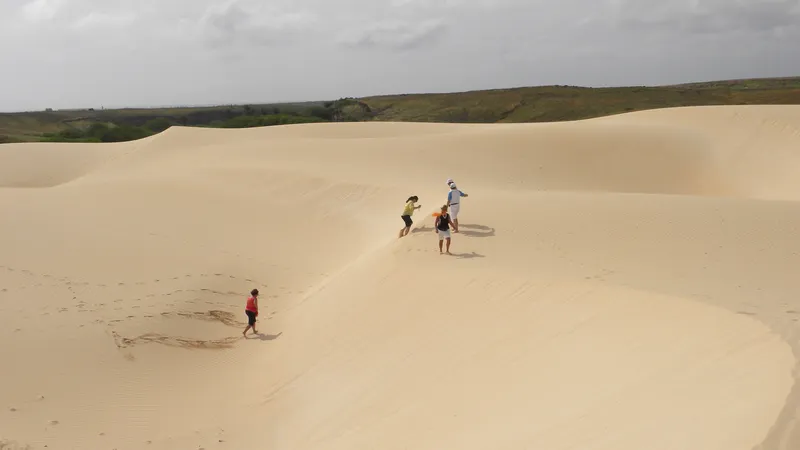
The protection of shifting dunes and nesting beaches is limiting the expansion of new developments across large parts of the island.
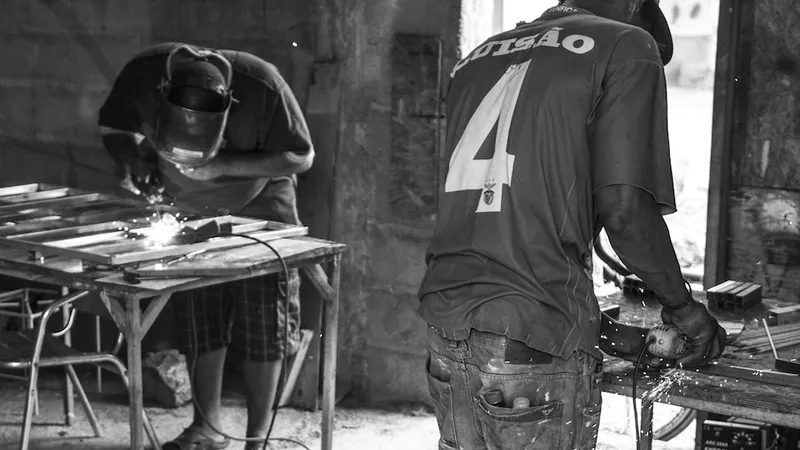
The boom in new hotel developments contrasts with a lack of affordable housing for construction workers and hotel staff.
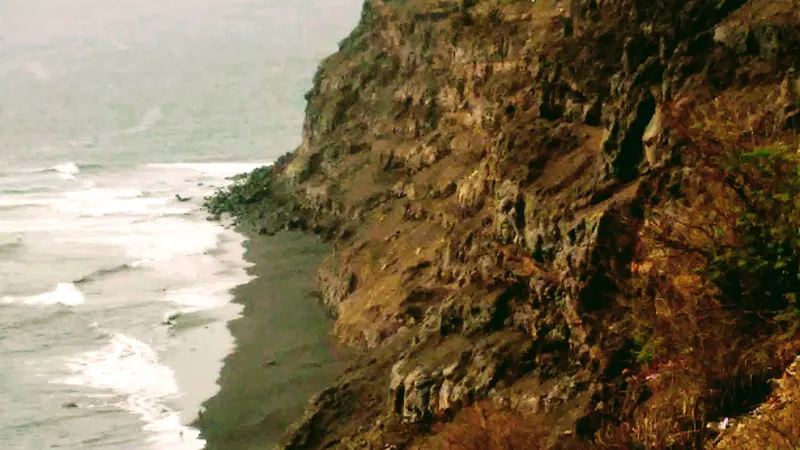
The council is preparing a plot-allocation scheme for families displaced by the eruption and young people unable to access a first home.