Construction can't keep up with housing the very workers building Sal's hotels
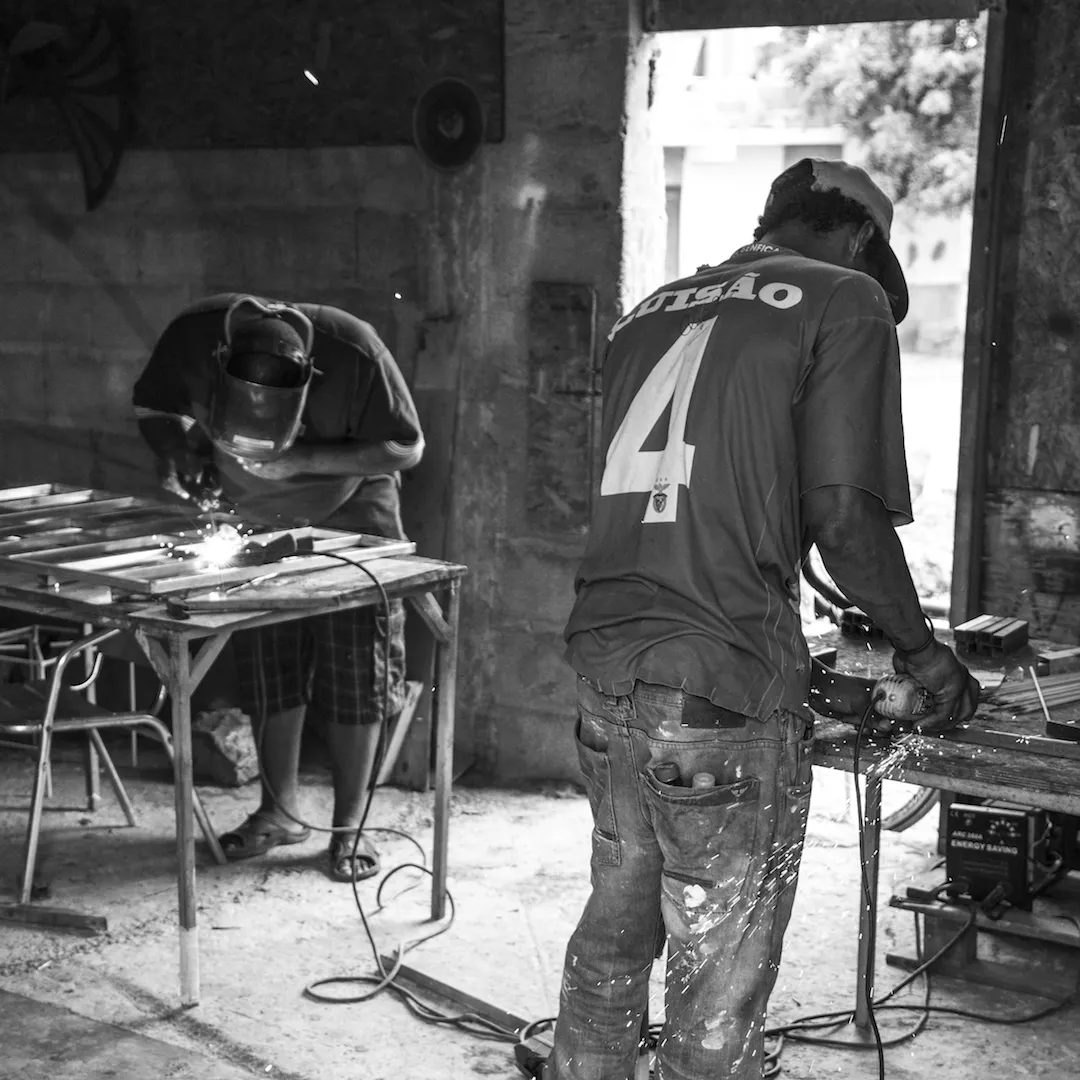
The paradox of a sector that can't house itself
Workers arriving from other islands and from West Africa lack stable housing.
Shared beds, tight wages
A bed in a shared room costs around 8,000 CVE a month.
A shortfall the industry itself acknowledges
The lack of housing makes it harder to hire skilled labour.
Makeshift solutions
Some companies have set up prefabricated units near Espargos.
A hotel boom with no housing plan
The growth of Sal's hotel sector over the past decade was not matched by any specific plan to house the workforce that same growth required. Hotel projects focused on the tourist offering, leaving housing for construction and service staff as an afterthought. Industry consultancies estimate the island will need several thousand additional worker accommodation places in the coming years. The lack of foresight, they note, has turned a predictable problem into a present-day emergency.
Workers who have come a long way
Much of the labour force employed in hotel construction comes from other Cape Verdean islands, as well as from countries such as Senegal, Guinea-Bissau and Nigeria. These workers usually arrive without any family network in Sal, making them especially dependent on whatever housing they can afford on their wages. Migrant support organisations have reported overcrowding in some rented properties near Espargos and Santa Maria. Staff turnover in the sector is partly explained by these housing conditions.
An open debate within the industry
Hoteliers' associations in Sal publicly acknowledge the problem and admit that the lack of housing makes it harder to attract and retain skilled staff, particularly in roles such as kitchen work or maintenance. Some chains have started exploring partnerships with local developers to build accommodation specifically for employees. Others prefer to keep relying on the existing rental market, despite its limitations. The industry agrees that a lasting solution would require coordination with municipal authorities.
Prefabricated units as a temporary fix
The units set up near Espargos offer a quick but limited solution, with capacity for a small number of workers per facility. Several companies in the sector acknowledge this is a stopgap measure pending a more stable housing alternative. Workers housed in these units value the proximity to their workplace, though they point to shortcomings in shared facilities. The industry itself admits this approach does not solve the underlying problem of a lack of affordable housing on the island.
More in News
Brava, Cape Verde's smallest island, watches its houses empty out in step with emigration
With just a few thousand inhabitants and a population that keeps shrinking, Nova Sintra has a property market that is nearly frozen, kept alive solely by diasp…
Ribeira Brava holds steady prices as emigration sets the market's pace
In São Nicolau, remittances from the diaspora sustain the building of family homes, but a lack of local buyers leaves a housing stock with many houses shut for…
Maio, the island where buying a home is still nearly impossible for lack of supply
With the least developed property market in all of Cape Verde, Vila do Maio records barely any sales, while emigration leaves homes standing empty, neither sol…
Volcanic risk is already shaping house prices in São Filipe
At the foot of the Pico do Fogo volcano, memories of the last eruption continue to weigh on the value of homes near the caldera, while São Filipe's town centre…