Young people in greater Funchal give up on buying a first home as prices spiral
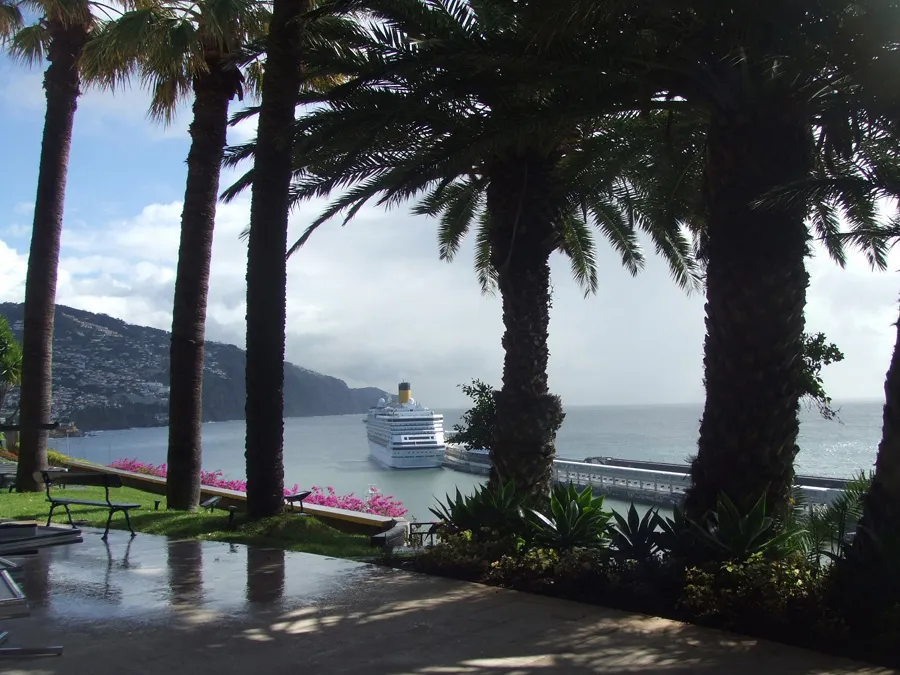
Madeiran wages against European-level prices
The average price per square metre in the Madeiran capital keeps climbing while salaries remain low.
Out-of-reach deposits and family guarantees
Many purchases by young buyers are only possible thanks to a guarantee or direct contribution from parents or grandparents.
Renting, an increasingly expensive alternative
Pressure from holiday letting is shrinking the supply of flats available for residential tenancies.
Moving out to neighbouring concelhos
Younger residents are looking for homes in bordering municipalities where prices are somewhat more affordable.
A gap that widens every quarter
Local economists calculate that the gap between average housing prices in Funchal and the average Madeiran wage has widened without interruption in recent years. The comparison with other Portuguese island capitals is unfavourable to the autonomous region, where salaries tend to sit below the national average. That combination explains why a large share of young people in secure employment still cannot obtain a mortgage of their own.
The voices of those still waiting
Several thirty-somethings canvassed by local shops and agencies agree that they have put off the idea of buying a home until at least the middle of the next decade. Some have opted to share a flat well beyond the age of thirty, something once uncommon on the island. Others are ruling out staying in Funchal altogether and are considering a move to Lisbon or abroad in search of better pay.
Public schemes with limited reach
Regional housing support for young people does exist, but sector specialists acknowledge that its reach falls short of the volume of unmet demand. Minimum and maximum income thresholds exclude a large share of applicants, whether for earning too little or too much. Residents' groups are calling for both the budget allocation and the eligibility criteria for these schemes to be widened.
How it compares with other islands in the archipelago
Set against the strain in Funchal, other parts of Madeira and Porto Santo maintain somewhat more contained prices, although these too are rising. That difference is prompting some younger residents to contemplate a move that would have been unthinkable a decade ago. On a smaller scale, the phenomenon mirrors the same shift towards the periphery already seen in other island capitals across the Atlantic.
More in News
Brava, Cape Verde's smallest island, watches its houses empty out in step with emigration
With just a few thousand inhabitants and a population that keeps shrinking, Nova Sintra has a property market that is nearly frozen, kept alive solely by diasp…
Ribeira Brava holds steady prices as emigration sets the market's pace
In São Nicolau, remittances from the diaspora sustain the building of family homes, but a lack of local buyers leaves a housing stock with many houses shut for…
Maio, the island where buying a home is still nearly impossible for lack of supply
With the least developed property market in all of Cape Verde, Vila do Maio records barely any sales, while emigration leaves homes standing empty, neither sol…
Volcanic risk is already shaping house prices in São Filipe
At the foot of the Pico do Fogo volcano, memories of the last eruption continue to weigh on the value of homes near the caldera, while São Filipe's town centre…