Water, power and the boat: the infrastructure limiting how much new housing La Graciosa can support
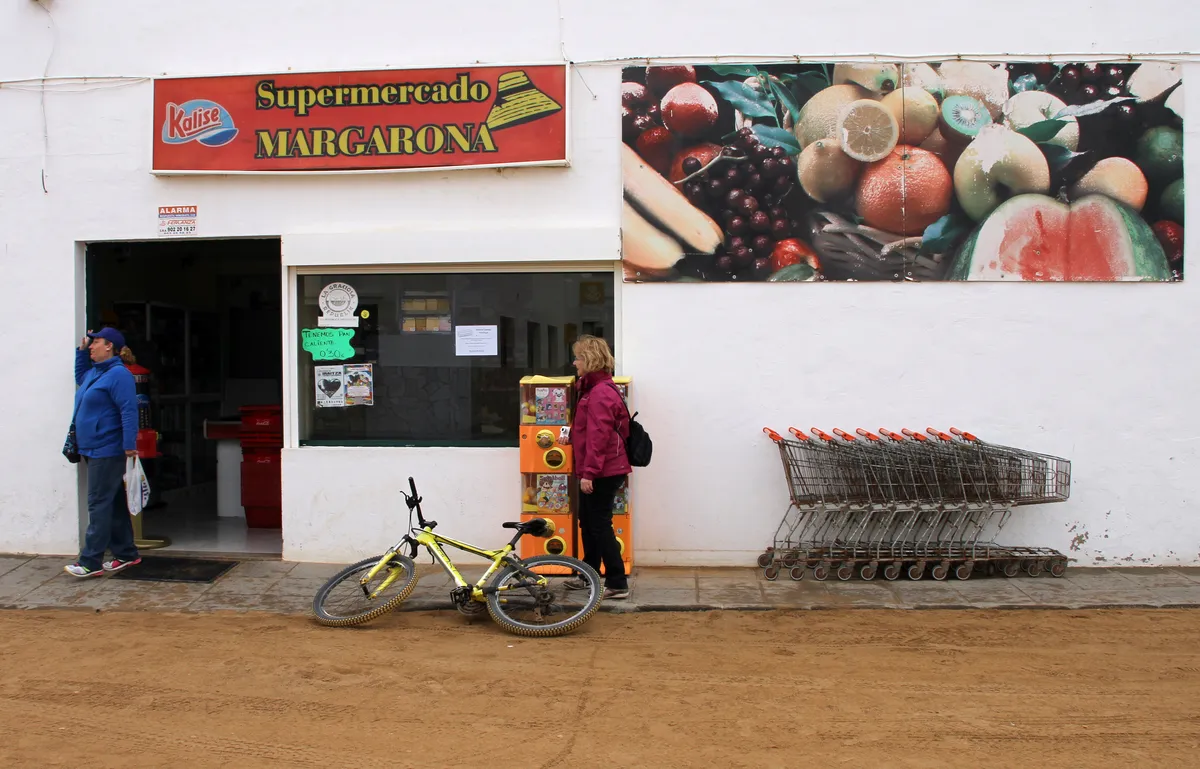
Beyond planning restrictions, La Graciosa faces an even more practical limit when it comes to adding new housing: its basic infrastructure. Drinking water in Caleta de Sebo depends on a local desalination plant, and the power supply has for years relied on diesel generators, with recent improvements moving towards more stable sources, which according to municipal sources shapes any calculation of how much additional population the island can support.
A system built for a few hundred people
Caleta de Sebo's water and power networks were sized for a resident population of around 700, a figure that is multiplied several times over every day by the influx of visitors. Technical sector sources warn that suddenly adding dozens of new homes — should the Chinijo Archipelago Natural Park's framework ever allow it — would first require reinforcing that capacity, something not planned in the short term.
The boat, the infrastructure that cannot fail
Sea transport adds another factor to the equation: the whole of La Graciosa depends on the ferry operators crossing El Río from Órzola, both for supplying building materials and for the workers carrying out renovation projects. A storm cancelling several days of crossings can bring any ongoing renovation to a halt.
For the authorities involved, the conclusion is the same one sector sources keep repeating: in La Graciosa, before discussing how many more homes the village could take, it has to be resolved whether the water, power and boat could support them.
Energy improvements moving slowly
The Cabildo of Lanzarote and the Government of the Canary Islands have in recent years proposed various measures to reduce La Graciosa's reliance on diesel generators, including adding solar photovoltaic power at the island's own power plant. However, energy sector sources say these improvements are progressing slowly, constrained both by island logistics and by the need to keep the supply running without interruption during the works. Meanwhile, any calculation of how much new housing the island could take remains subject to that limited capacity.
A desalination plant that also depends on fuel
The desalination plant that supplies drinking water to Caleta de Sebo also runs with the support of generators, which makes water more expensive than on other islands connected to wider networks, according to municipal sources. This link between water and fuel adds an extra layer of vulnerability: any disruption to the diesel supply, whether from a storm or a logistical failure, has a direct knock-on effect on both the electricity and the water available to residents.
El Hierro as a mirror, a model still far off
Sources in the Canary Islands' energy sector frequently mention the case of El Hierro, which has moved towards its own renewable generation model, as a reference for what could be considered for La Graciosa in the long term. However, the same sources note that the scale and circumstances of the two islands are very different, and that replicating that model in Caleta de Sebo would require investment and infrastructure that, for now, do not feature among the short-term priorities of the authorities involved.
More in News
Brava, Cape Verde's smallest island, watches its houses empty out in step with emigration
With just a few thousand inhabitants and a population that keeps shrinking, Nova Sintra has a property market that is nearly frozen, kept alive solely by diasp…
Ribeira Brava holds steady prices as emigration sets the market's pace
In São Nicolau, remittances from the diaspora sustain the building of family homes, but a lack of local buyers leaves a housing stock with many houses shut for…
Maio, the island where buying a home is still nearly impossible for lack of supply
With the least developed property market in all of Cape Verde, Vila do Maio records barely any sales, while emigration leaves homes standing empty, neither sol…

Volcanic risk is already shaping house prices in São Filipe
At the foot of the Pico do Fogo volcano, memories of the last eruption continue to weigh on the value of homes near the caldera, while São Filipe's town centre…