Rent in Praia nears 45,000 CVE a month and prices out half the city
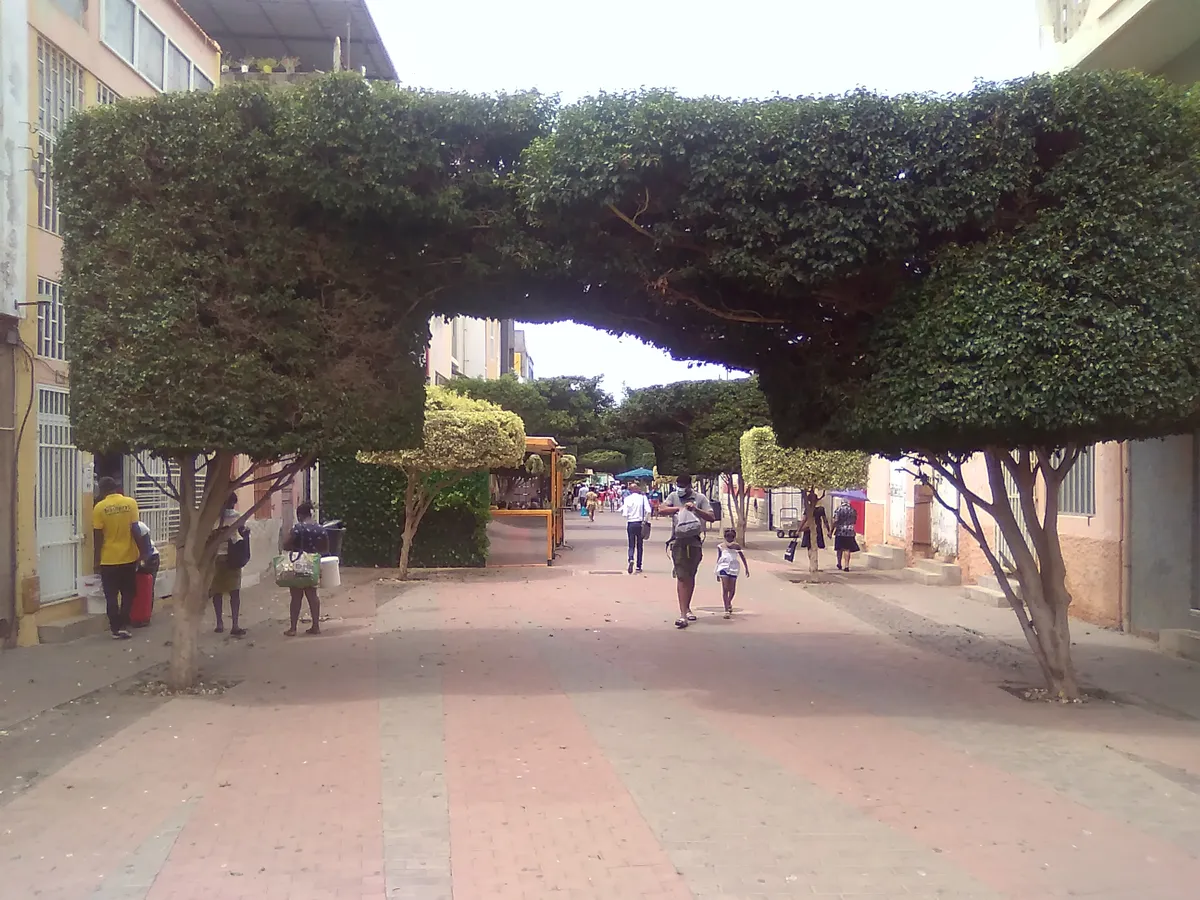
The housing market in Praia is going through one of its most tense periods in the last decade. The capital of Cape Verde, which concentrates much of the country's public administration, banking and university activity, receives a steady flow of families every year from other islands — especially rural Santiago, Fogo and Maio — who come looking for work or study and put pressure on a housing stock that is not growing at the same pace.
Rents that no longer come down
According to property portals operating in the country, the average rent for a two-bedroom flat in neighbourhoods such as Plateau, Palmarejo or Achada Santo António is now between 35,000 and 45,000 CVE a month (roughly 317 to 408 euros), a figure that property sector sources describe as "unthinkable five years ago" for a city with average wages well below European levels. In outlying areas such as Achada Grande or Tira Chapéu prices are somewhat more contained, but they too have risen sharply over the past two years.
Who can afford it, and who is priced out
Those who manage to afford these prices are mainly civil servants, staff of international NGOs and development cooperation agencies, plus a share of the Cape Verdean diaspora who invest in property to rent out. Those left out are families arriving from inland Santiago or from other islands without stable income, who end up crowding into shared housing or moving to informal settlements on the outskirts of the capital, where, according to data from Cape Verde's national statistics institute (INE), unregulated development remains high.
Urban land that has nothing left to give
Praia's geography, built across a series of plateaus ("platôs") separated by ravines, physically limits orderly urban expansion. Municipal sources acknowledge that much of the recent growth has happened informally, without prior planning, which later drives up the cost of providing basic infrastructure such as water, sanitation and access roads. On top of this, there is a shortage of public land available for social housing development, a problem that has persisted across several municipal administrations.
Measures still up in the air, results yet to be seen
The central Government and Praia City Council have in recent months announced affordable housing plans and programmes to regularise outlying neighbourhoods, although the property sector remains sceptical about the real timeline for implementation. Meanwhile, private developers continue to favour mid-to-upper-range housing in Palmarejo and Várzea, aimed at buyers with stable income, leaving unresolved for now the most urgent part of demand: that of low- and middle-income families who keep arriving in the capital in search of opportunities.
More in News
Brava, Cape Verde's smallest island, watches its houses empty out in step with emigration
With just a few thousand inhabitants and a population that keeps shrinking, Nova Sintra has a property market that is nearly frozen, kept alive solely by diasp…
Ribeira Brava holds steady prices as emigration sets the market's pace
In São Nicolau, remittances from the diaspora sustain the building of family homes, but a lack of local buyers leaves a housing stock with many houses shut for…
Maio, the island where buying a home is still nearly impossible for lack of supply
With the least developed property market in all of Cape Verde, Vila do Maio records barely any sales, while emigration leaves homes standing empty, neither sol…
Volcanic risk is already shaping house prices in São Filipe
At the foot of the Pico do Fogo volcano, memories of the last eruption continue to weigh on the value of homes near the caldera, while São Filipe's town centre…