Renovation of Colonial-Style Houses With Gardens Picks Up in Nova Sintra's Historic Centre
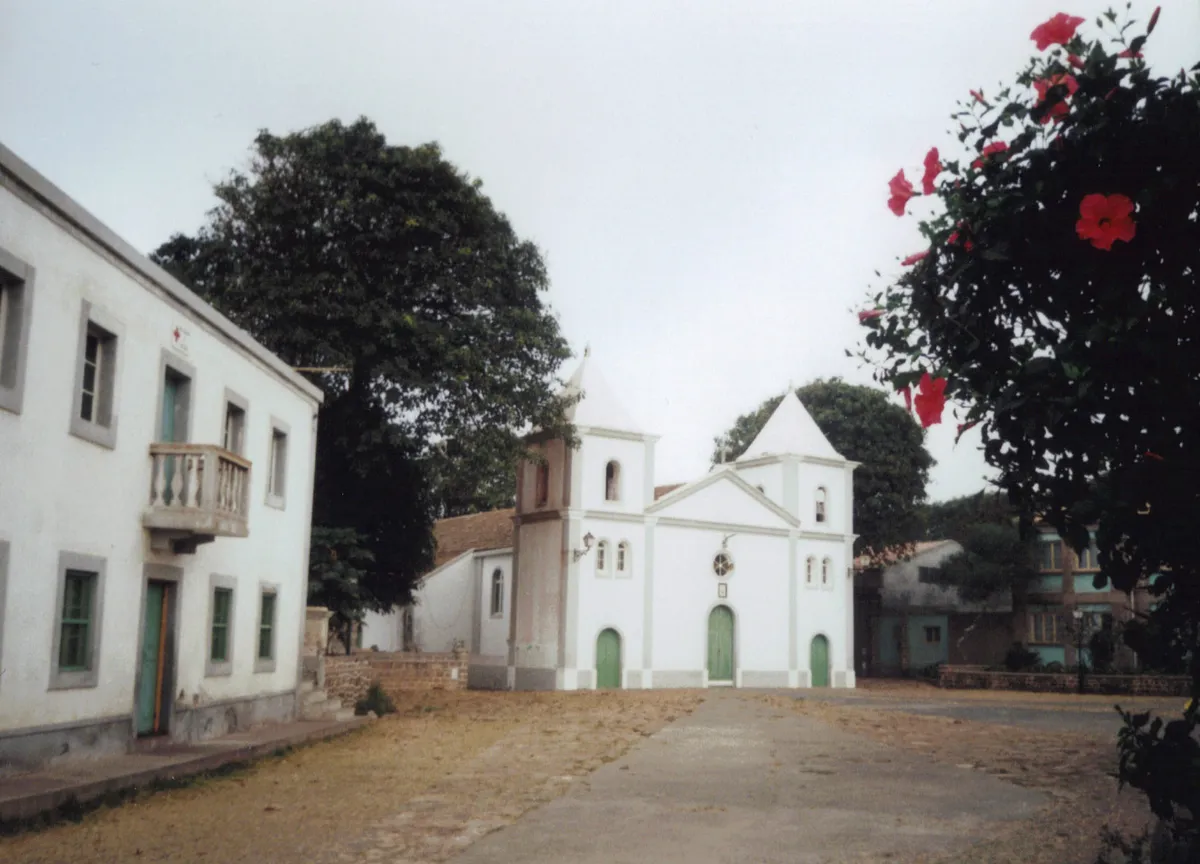
A Distinctive Architectural Heritage
The historic centre has been on Unesco's tentative list for World Heritage status since 2016.
Renovations That Multiply Property Value
A restored house can fetch close to 9,500,000 CVE, compared with 3,200,000 CVE for one left unrenovated.
The Challenge of Bringing in Materials and Tradespeople
Dependence on sea transport adds between 20% and 30% to the cost of any renovation.
A Still Modest Trend
The number of renovations remains small, not enough to reverse the decline.
A Town With a Portuguese Feel in the Middle of the Atlantic
Nova Sintra retains an urban layout and architecture with a clear Portuguese influence, with pastel-coloured façades, wrought-iron balconies and interior gardens that set it apart from the rest of Cape Verde's towns. Its altitude, higher than that of other island capitals in the archipelago, also gives it a milder climate that has fuelled its reputation as a place to relax. This architectural and climatic distinctiveness is one of the main arguments behind the recent interest in its historic centre. Unesco's recognition of its tentative World Heritage status in 2016 has reinforced that sense of heritage value.
The Role of the Brava Diaspora
Much of the recent renovation work is being funded by members of the Brava diaspora, traditionally settled in New England, who maintain a strong emotional bond with their families' home island. These owners usually commission the work remotely, coordinating with local architects and contractors during occasional visits to the island. The result is restored homes that combine occasional holiday use with the preservation of the family property. Without this outside investment, residents themselves admit, many of these houses would already have been lost.
A Shortage of Skilled Labour
The shortage of bricklayers and carpenters trained in traditional restoration techniques sometimes forces workers to be brought in from Praia or from other islands in the archipelago, which considerably increases costs and lengthens construction timelines. The few local craftsmen able to work with the original materials often have their schedules booked months in advance. This limitation adds to the logistical difficulties typical of a small, poorly connected island. As a result, many renovations run well beyond the timeframe owners originally planned for.
The Challenge of Conserving Without Losing Character
Municipal officials and heritage advocates insist that any renovation must respect the original elements of the façades and woodwork, which sometimes creates friction with owners who would prefer faster, cheaper solutions. This balance between strict conservation and the practical feasibility of the work shapes many of the projects planned in the historic centre. Local authorities are looking at ways to offer free technical advice to guide owners interested in restoring their homes. The stated goal is to ensure that the renovation drive does not come at the cost of losing the architectural identity underpinning the Unesco bid.
More in News
Brava, Cape Verde's smallest island, watches its houses empty out in step with emigration
With just a few thousand inhabitants and a population that keeps shrinking, Nova Sintra has a property market that is nearly frozen, kept alive solely by diasp…
Ribeira Brava holds steady prices as emigration sets the market's pace
In São Nicolau, remittances from the diaspora sustain the building of family homes, but a lack of local buyers leaves a housing stock with many houses shut for…
Maio, the island where buying a home is still nearly impossible for lack of supply
With the least developed property market in all of Cape Verde, Vila do Maio records barely any sales, while emigration leaves homes standing empty, neither sol…
Volcanic risk is already shaping house prices in São Filipe
At the foot of the Pico do Fogo volcano, memories of the last eruption continue to weigh on the value of homes near the caldera, while São Filipe's town centre…