Porto Novo's young people, caught between low wages and scarce urban land for a first home
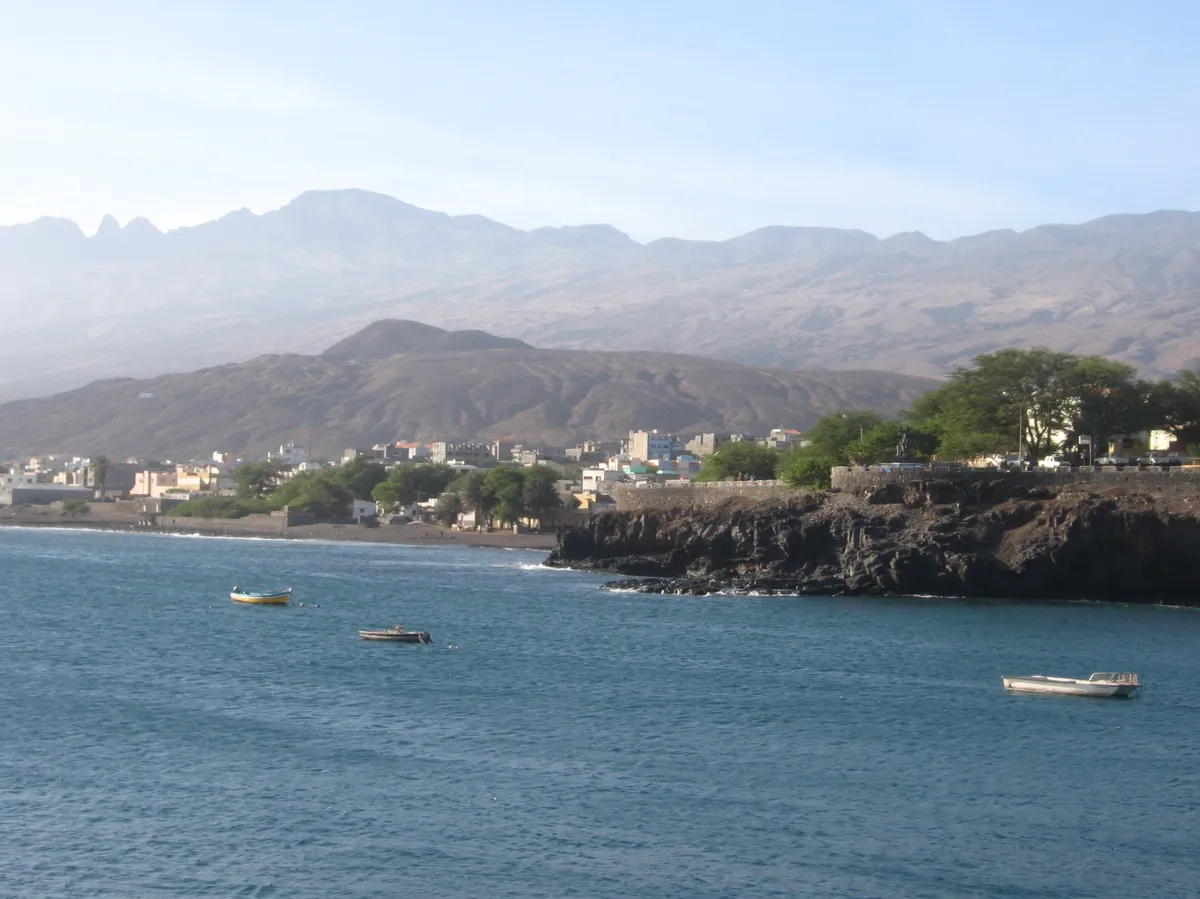
The capital has the island's most expensive urban land
The price of buildable land is well above the island average.
Wages that fail to keep pace with the market
A modest home costs around 3,000,000 CVE, out of reach for wages of around 25,000 CVE.
Renting: an increasingly costly alternative
A small flat near the centre costs between 20,000 and 30,000 CVE a month.
Internal migration towards the island's north
Young people are looking for housing in Ribeira Grande or Paúl, where land is more affordable.
Porto Novo concentrates the island's economic activity
As Santo Antão's administrative and commercial capital, Porto Novo draws people from other municipalities on the island in search of work, which keeps up the pressure on urban land already constrained by the surrounding terrain. This combination of job opportunities and land scarcity explains why housing prices in the capital clearly outstrip those of other towns on Santo Antão.
The weight of sea transport on building costs
As on other islands in the archipelago, much of the building material reaching Porto Novo depends on sea transport from Mindelo, which adds a logistical surcharge passed on to the final price of new housing. This factor widens the gap between the cost of housing and the average wages of the local population still further.
House-sharing, a common solution among young people
Given the difficulty of accessing individual housing, it is common for several young people to share a flat in Porto Novo to cover the monthly rent, a practice that was less common on the island until a few years ago. Workers in the services sector and public administration, earning wages similar to those on other rural islands of Cape Verde, say that without this shared-living arrangement, access to independent housing would be practically unattainable.
Ribeira Grande and Paúl: a safety valve
The move by young people to Ribeira Grande or Paúl is not without its drawbacks, since both municipalities offer fewer jobs and poorer connections to Porto Novo, particularly during the rainiest months, when mountain roads are frequently cut off. Even so, many families consider that the savings on housing make up for the longer daily commute.
More in News
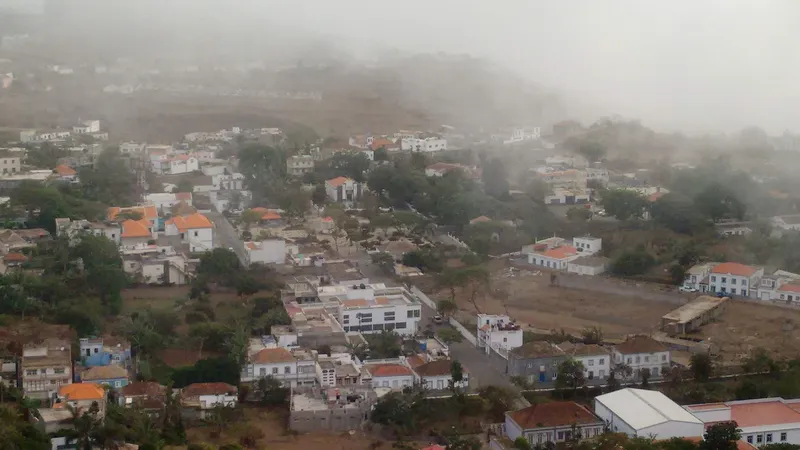
Brava, Cape Verde's smallest island, watches its houses empty out in step with emigration
With just a few thousand inhabitants and a population that keeps shrinking, Nova Sintra has a property market that is nearly frozen, kept alive solely by diasp…
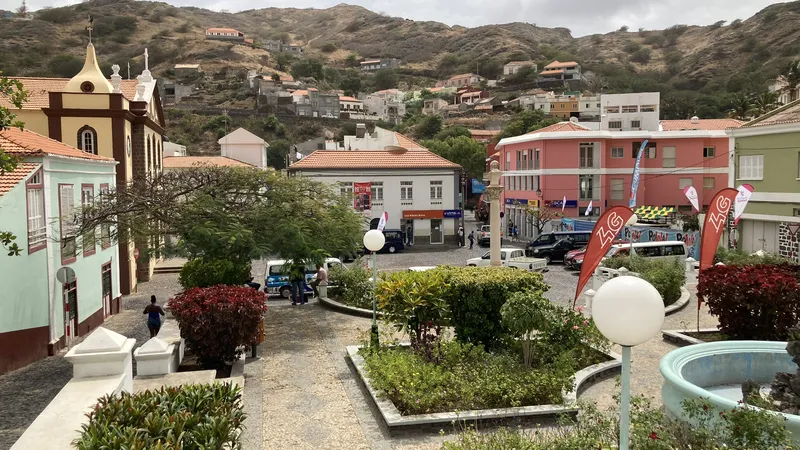
Ribeira Brava holds steady prices as emigration sets the market's pace
In São Nicolau, remittances from the diaspora sustain the building of family homes, but a lack of local buyers leaves a housing stock with many houses shut for…
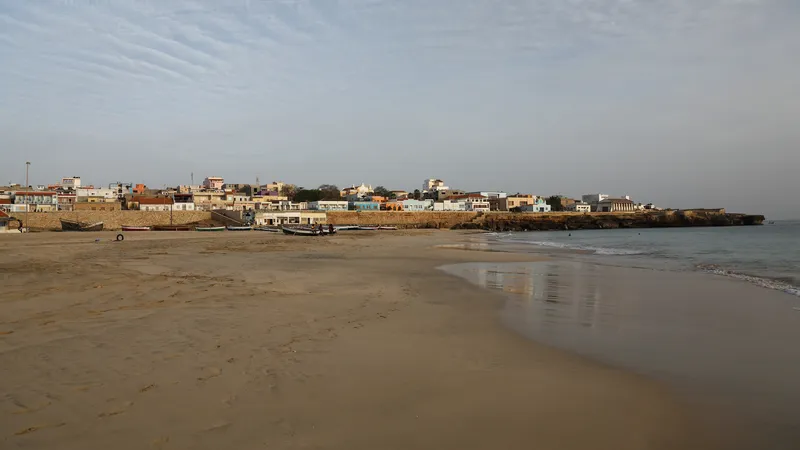
Maio, the island where buying a home is still nearly impossible for lack of supply
With the least developed property market in all of Cape Verde, Vila do Maio records barely any sales, while emigration leaves homes standing empty, neither sol…
Volcanic risk is already shaping house prices in São Filipe
At the foot of the Pico do Fogo volcano, memories of the last eruption continue to weigh on the value of homes near the caldera, while São Filipe's town centre…