Long-Term Rents Soar in Los Cristianos, Pricing Tourism Workers Out of Housing
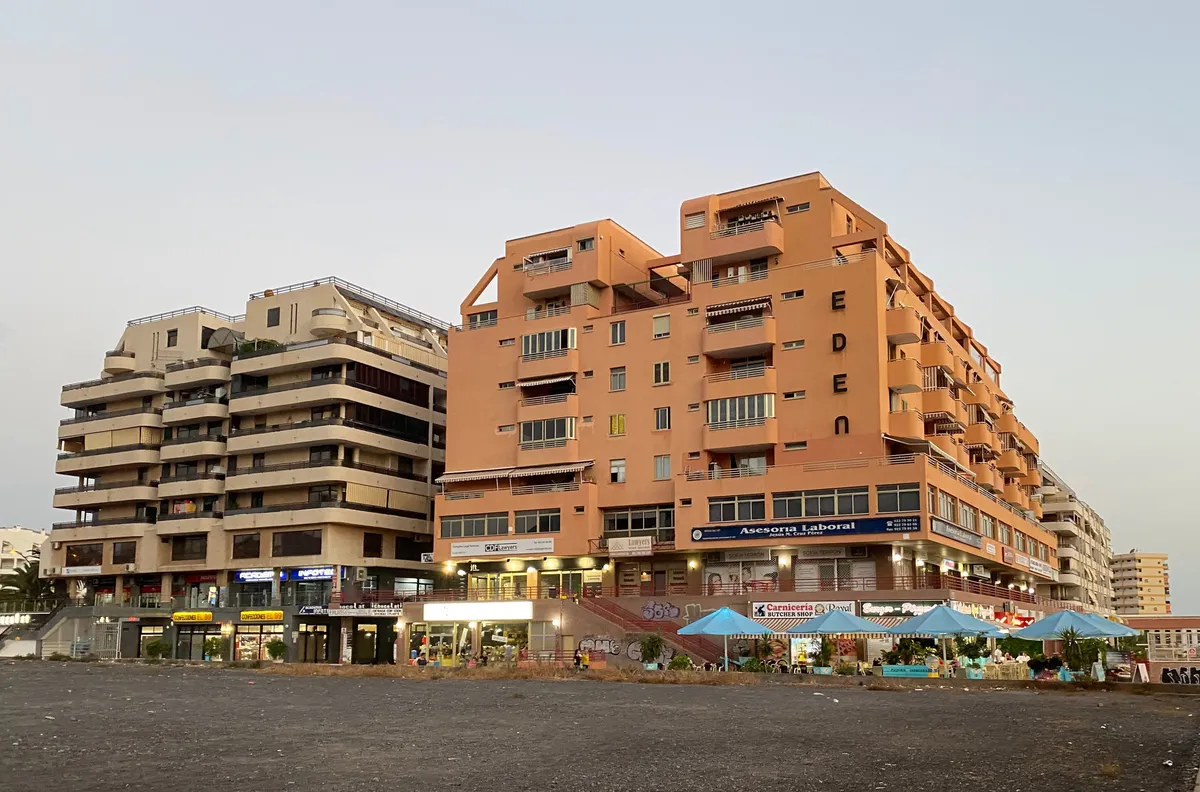
Los Cristianos, one of the most established tourist hubs in southern Tenerife, is experiencing growing tension between holiday lets and traditional long-term residential rental. According to property portals tracking the market in the municipality of Arona, the average long-term rental price now stands above 900 euros a month for a two-bedroom flat, with year-on-year rises that in some neighbourhoods near the Paseo Marítimo reportedly approach 15%.
Competition from holiday rentals
Industry sources explain that a large share of the housing stock once used for long-term rental has been shifting to holiday rental platforms, drawn by much higher returns during peak season.
Workers who cannot afford to live where they work
Hotel workers' associations have been warning that a growing number of employees in the tourist zone can no longer afford to live near their workplace.
Forced relocation towards the north and outlying areas
Municipal and real estate sources agree that workers are increasingly being pushed towards municipalities further from the south, and even towards the greater Santa Cruz de Tenerife area.
A problem already worrying employers
The hotel industry is calling on the Canary Islands authorities for specific measures to provide affordable housing for tourism workers.
Los Cristianos compared with other tourist hubs in the south
Los Cristianos is not an isolated case: real estate sources point to similar dynamics in Playa de las Américas and Costa del Silencio, although the rise in residential rents appears especially pronounced in the Arona hub, given its proximity to the port and the seafront. That comparison, they say, places Los Cristianos among the archipelago's tourist enclaves under the greatest residential strain.
Arona town council considers measures
Municipal sources confirm that Arona town council is looking at ways to encourage long-term residential rental, including tax breaks for owners who give up holiday letting. The council acknowledges, however, that any measure will need to be coordinated with the Government of the Canary Islands to be truly effective.
More in News
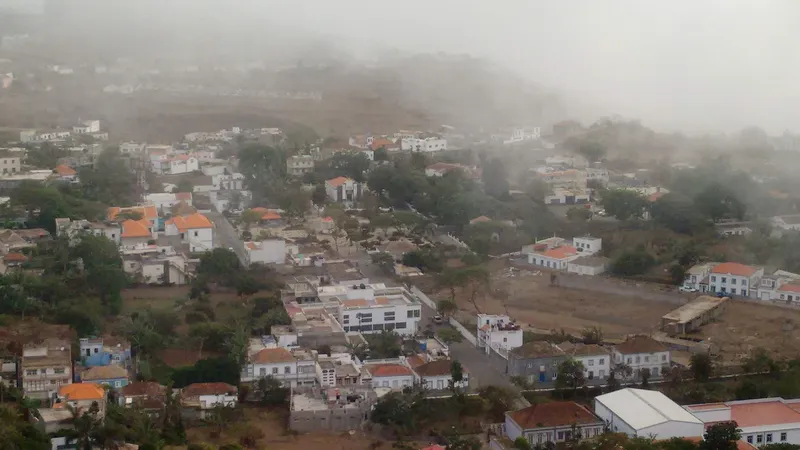
Brava, Cape Verde's smallest island, watches its houses empty out in step with emigration
With just a few thousand inhabitants and a population that keeps shrinking, Nova Sintra has a property market that is nearly frozen, kept alive solely by diasp…
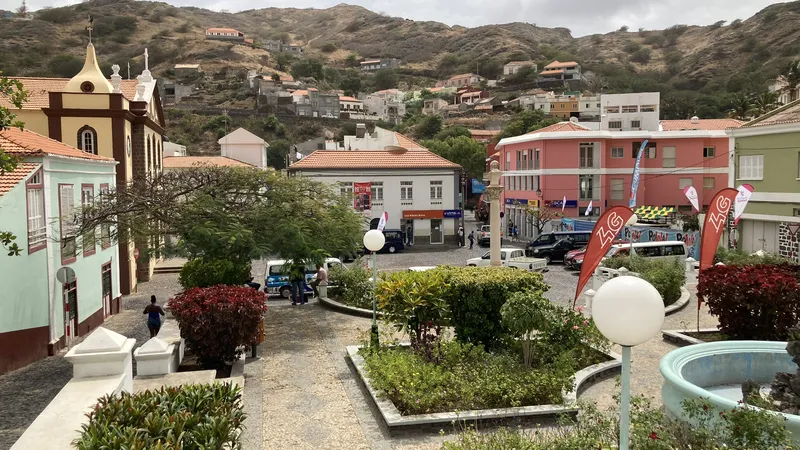
Ribeira Brava holds steady prices as emigration sets the market's pace
In São Nicolau, remittances from the diaspora sustain the building of family homes, but a lack of local buyers leaves a housing stock with many houses shut for…
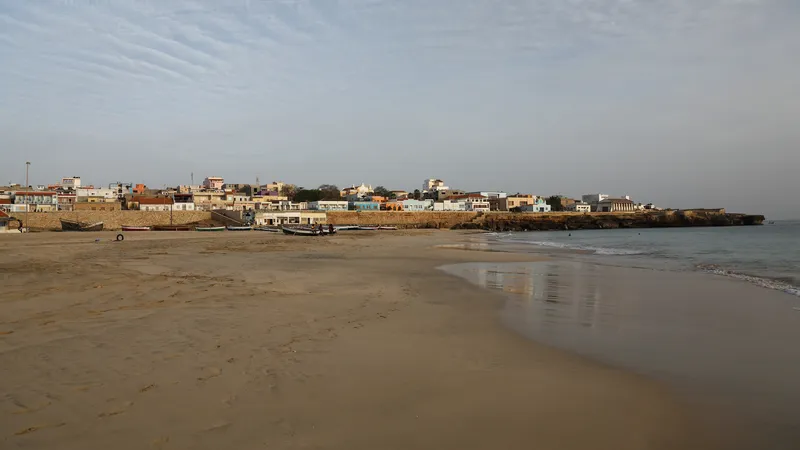
Maio, the island where buying a home is still nearly impossible for lack of supply
With the least developed property market in all of Cape Verde, Vila do Maio records barely any sales, while emigration leaves homes standing empty, neither sol…
Volcanic risk is already shaping house prices in São Filipe
At the foot of the Pico do Fogo volcano, memories of the last eruption continue to weigh on the value of homes near the caldera, while São Filipe's town centre…