Levada walking holidays are driving rural accommodation in Ribeira Brava and Ponta do Sol
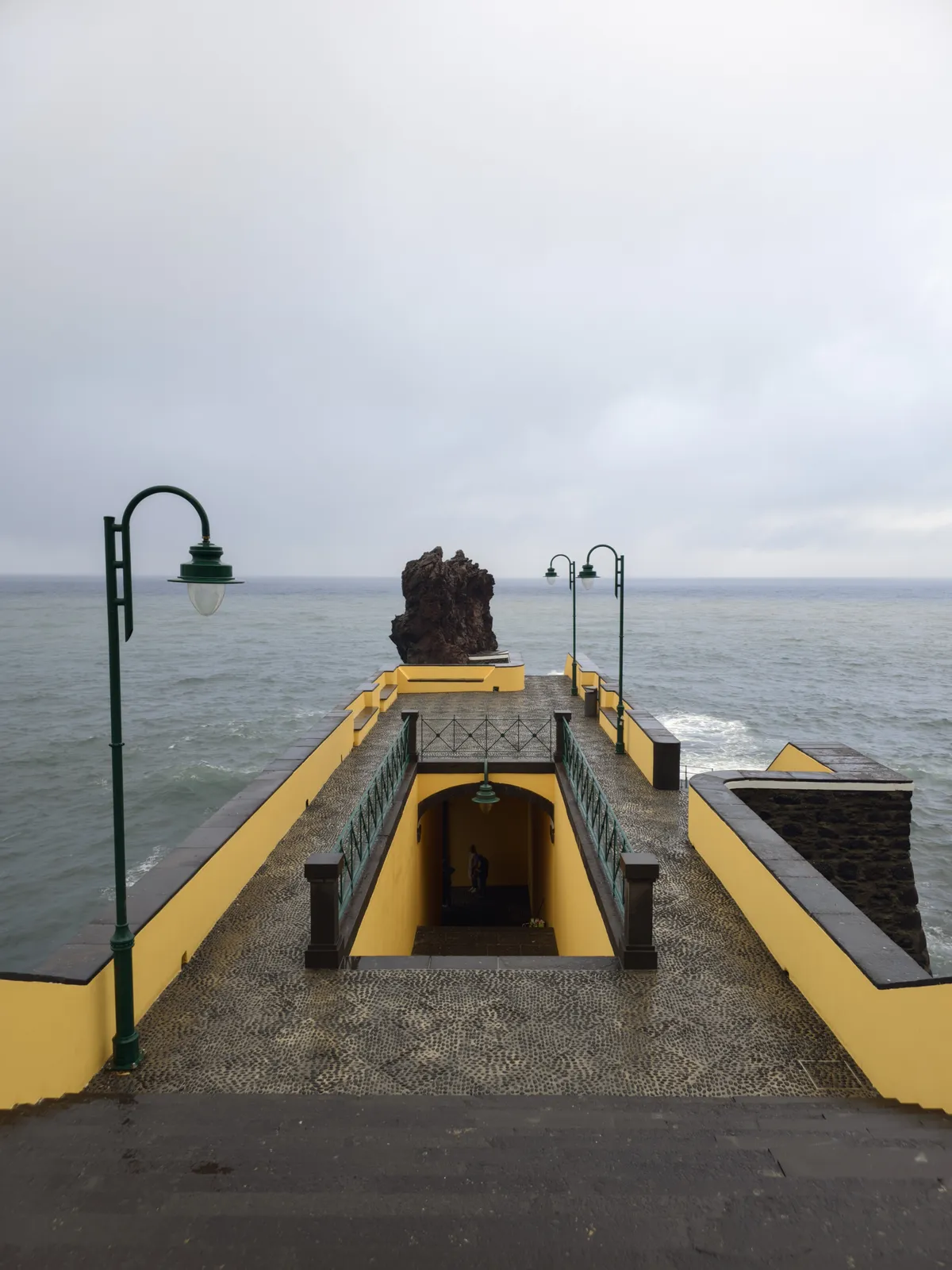
Visitors in search of a less urban Madeira
Ribeira Brava and Ponta do Sol are benefiting from the shift towards walking holidays.
From farmhouses to accommodation with character
Traditional farm buildings are being restored as rural tourism accommodation.
The Cais da Ponta do Sol as a gateway
Being close to walking routes now lifts values as much as being close to the beach.
Gains for the local economy, with caveats
Rising values are making it harder for younger locals to get on the housing ladder.
Routes in ever greater demand among foreign visitors
In recent years the levadas of Ribeira Brava and Ponta do Sol have gone from being irrigation infrastructure to a tourist draw in their own right. Walking operators based in Funchal say the number of groups asking for these particular routes, rather than others elsewhere on the island, has doubled. The mix of mountain scenery, terraced cultivation and proximity to the sea accounts for much of that growing interest. Many of these visitors then look for somewhere to stay in the villages themselves, instead of returning to Funchal each night.
European funding for rural restoration
Some of the restoration work on the old farm buildings has drawn on European funding lines earmarked for rural development in Madeira. Owners who choose to keep traditional features, such as tiled roofs or stone walls, qualify for more favourable financing terms. Local architects point out that this kind of work takes more time and more specialist labour than a conventional refurbishment. Even so, the result usually commands a rental price well above that of a standard flat in the area.
How it compares with other walking areas on the island
The phenomenon echoes what is already happening in Santana and on the Paúl da Serra, where demand for rural accommodation has also grown alongside walking tourism. Estate agents on the south coast note, however, that Ribeira Brava and Ponta do Sol have the added advantage of a milder climate and easy access to the motorway linking them to Funchal. That combination allows owners to set nightly rates close to those of the capital, despite these being far smaller settlements. The result is an uplift in values that extends well beyond the properties directly tied to the routes.
Residents want growth that does not push locals out
Residents' associations in both municipalities acknowledge the economic benefits of walking tourism, but warn that the rising cost of land and of older housing is starting to show in deals aimed at local buyers too. They are asking the councils to set aside part of the restored housing stock for permanent residence rather than tourist use alone. The Câmara Municipal de Ponta do Sol has acknowledged the debate and is looking at ways to balance the two uses without deterring the investment now reaching the area.
More in News
Brava, Cape Verde's smallest island, watches its houses empty out in step with emigration
With just a few thousand inhabitants and a population that keeps shrinking, Nova Sintra has a property market that is nearly frozen, kept alive solely by diasp…
Ribeira Brava holds steady prices as emigration sets the market's pace
In São Nicolau, remittances from the diaspora sustain the building of family homes, but a lack of local buyers leaves a housing stock with many houses shut for…
Maio, the island where buying a home is still nearly impossible for lack of supply
With the least developed property market in all of Cape Verde, Vila do Maio records barely any sales, while emigration leaves homes standing empty, neither sol…
Volcanic risk is already shaping house prices in São Filipe
At the foot of the Pico do Fogo volcano, memories of the last eruption continue to weigh on the value of homes near the caldera, while São Filipe's town centre…