Hundreds of Homes Belonging to Cape Verdean Emigrants in Massachusetts and Rhode Island Remain Shut Up in Brava
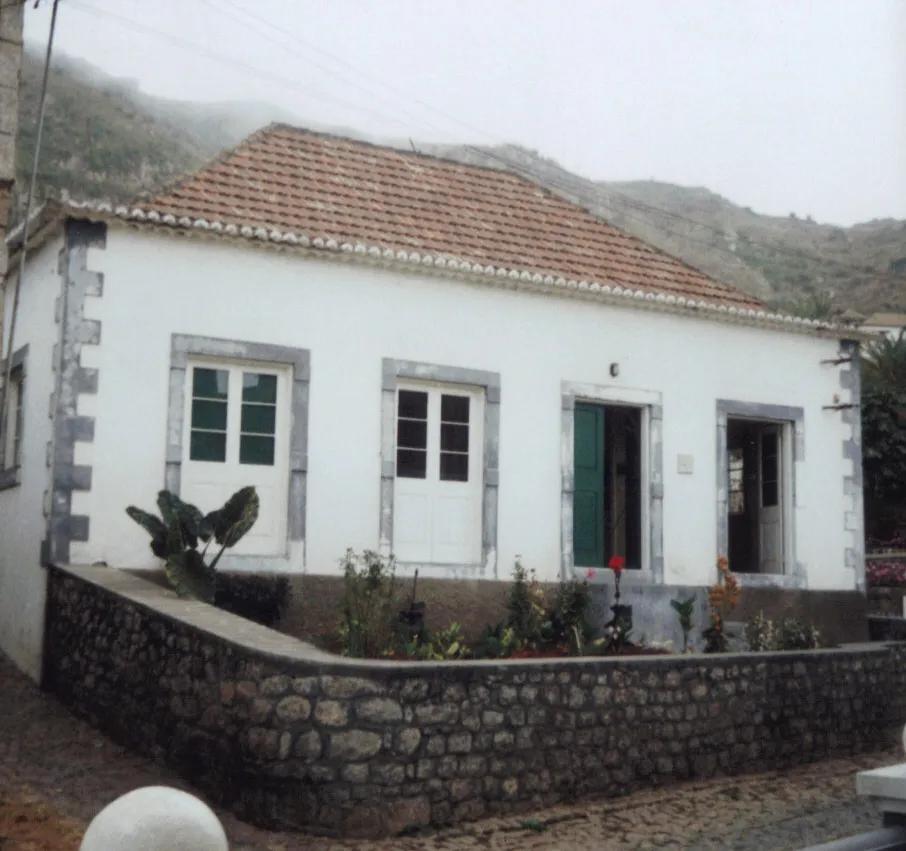
The Whalers' Legacy
Brava was the island with the highest proportion of emigrants to New England from the 19th century onward.
Houses No One Sells or Lives In
Hundreds of homes remain shut up, in the hands of heirs scattered across several states.
The Obstacle of Family Co-Ownership
Undivided co-ownership among cousins and nephews complicates any sale.
A Legacy That Deteriorates Over Time
Leaks and damaged roofs are the norm in a good many of these houses.
A Century-Old Diaspora Tied to New England
The relationship between Brava and New England dates back to the era of American whalers, who recruited crews on the island during the 19th century, giving rise to one of the oldest and largest Cape Verdean communities in the United States. Later generations of that emigration went on building or buying homes in Brava, often with an eventual return in mind that in many cases never happened. That historic link explains the sizeable housing stock that exists today in the hands of families who have lived outside Cape Verde for decades.
Inheritances Split Across Several States
The deaths of the original owners have left many of these homes in the hands of heirs scattered across Massachusetts, Rhode Island and other states, which considerably complicates any agreement on selling or renovating them. Local notaries explain that it takes just one co-owner objecting, or proving impossible to locate, to block a deal for years. This situation is repeated across numerous properties on the island, turning them into a kind of frozen legacy caused by a lack of family agreement.
Potential Being Lost Today
Estate agents in Brava lament that much of this heritage, sometimes with real architectural value or prime locations, is slowly being lost through lack of upkeep while families sort out their differences. Some in the sector point to the need for more agile legal mechanisms to regularise undivided co-ownership, similar to those applied in other countries with a strong history of emigration. If this obstacle were resolved, they believe the island could gain a significant amount of additional housing without the need for any new construction.
More in News
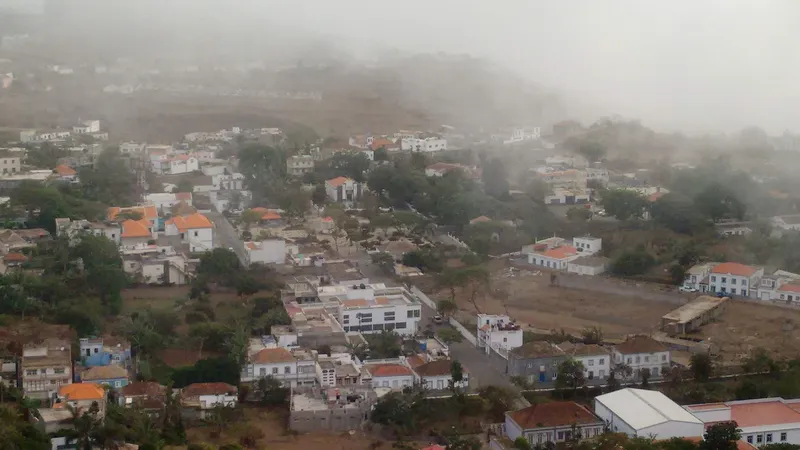
Brava, Cape Verde's smallest island, watches its houses empty out in step with emigration
With just a few thousand inhabitants and a population that keeps shrinking, Nova Sintra has a property market that is nearly frozen, kept alive solely by diasp…
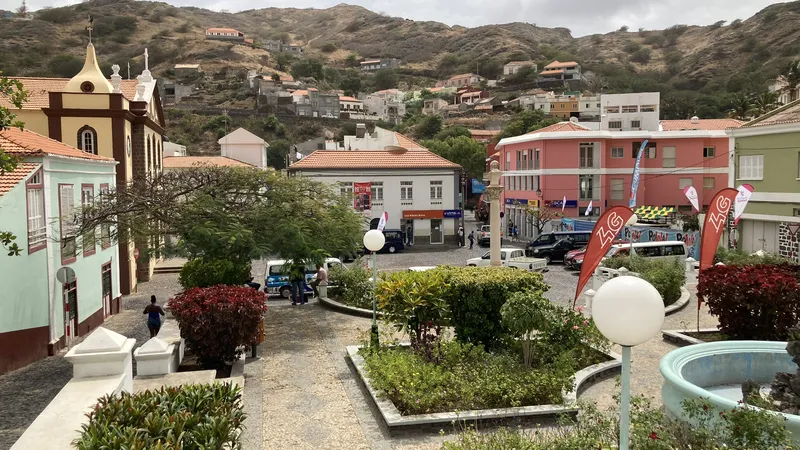
Ribeira Brava holds steady prices as emigration sets the market's pace
In São Nicolau, remittances from the diaspora sustain the building of family homes, but a lack of local buyers leaves a housing stock with many houses shut for…
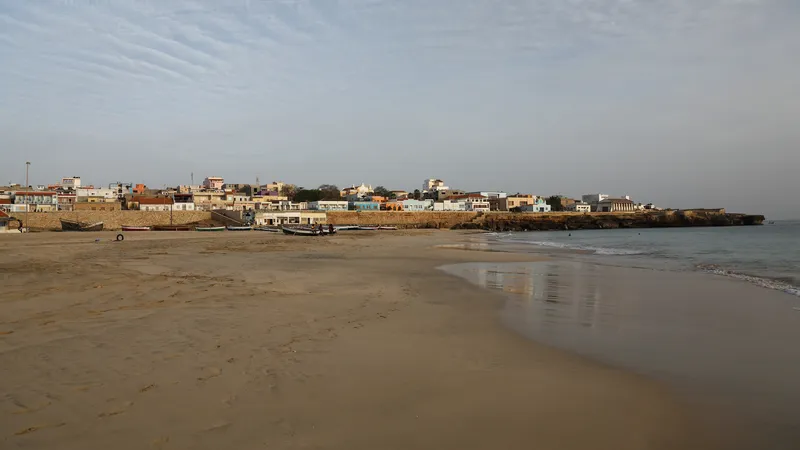
Maio, the island where buying a home is still nearly impossible for lack of supply
With the least developed property market in all of Cape Verde, Vila do Maio records barely any sales, while emigration leaves homes standing empty, neither sol…
Volcanic risk is already shaping house prices in São Filipe
At the foot of the Pico do Fogo volcano, memories of the last eruption continue to weigh on the value of homes near the caldera, while São Filipe's town centre…