Housing shortage for seasonal farm workers and rural tourism staff in Santo Antão
Two sectors, one shared shortfall
The Paúl valley and the northern hiking trails share the same lack of affordable housing for seasonal workers.
Makeshift accommodation next to the fields
Agricultural employers are fitting out rooms on their farms for labourers who have had to relocate.
Prices that push out anyone who isn't a homeowner
A simple room costs between 10,000 and 15,000 CVE a month.
Calls for regulated seasonal housing
Calls are growing for regulated temporary housing schemes for the agricultural and tourism sectors.
Paúl, a valley that can't keep up
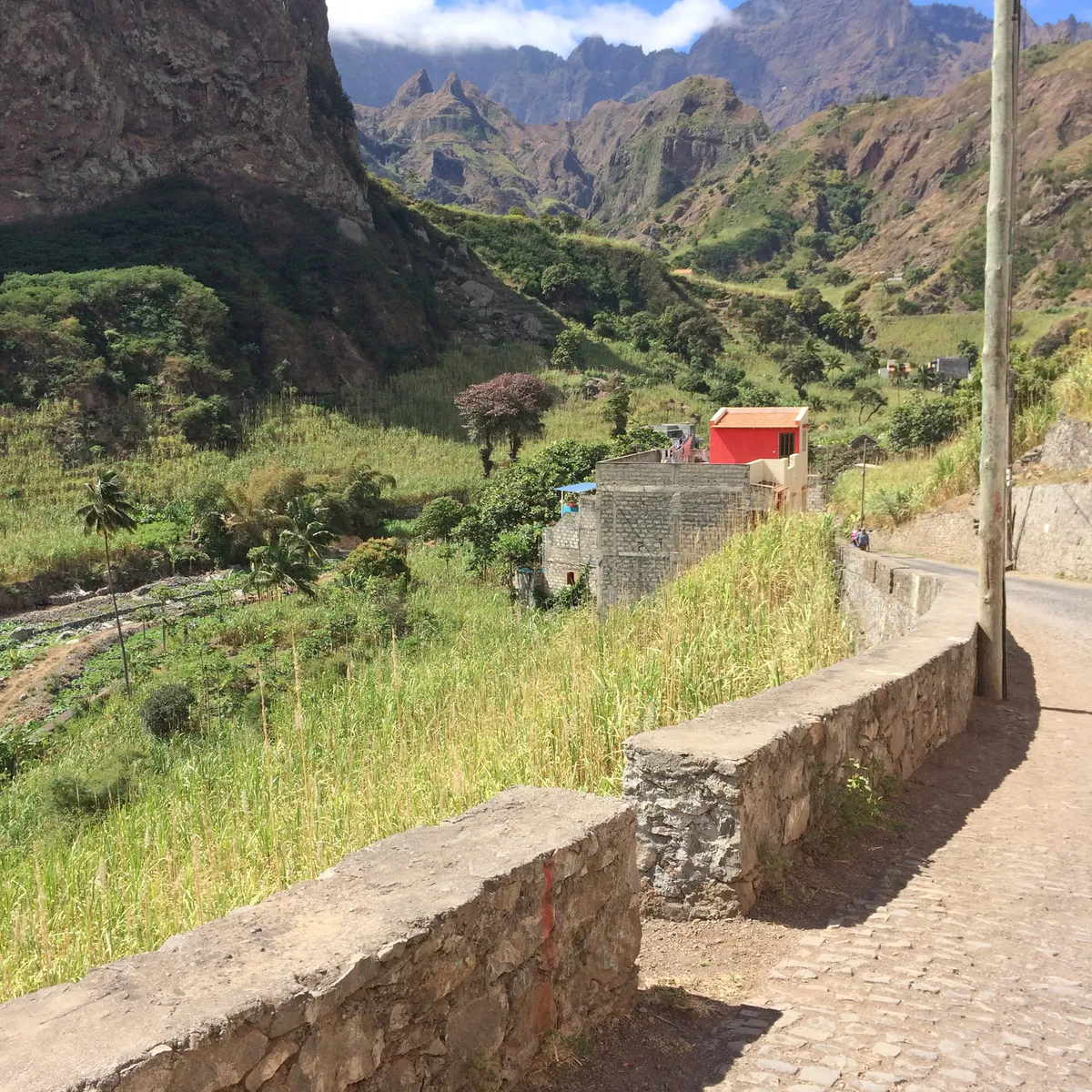
The Paúl valley accounts for much of Santo Antão's agricultural output, with sugar cane, coffee and vegetable crops that require seasonal labour at specific times of the year. Farm owners acknowledge that the lack of nearby housing forces many labourers to travel in from other parts of the island, which makes hiring more expensive and more complicated. Some farmers have opted to build small annexes on their own plots to temporarily house workers who come from elsewhere.
Hiking tourism adds pressure to the same housing stock
The hiking trails in the north of the island, including those running through Ribeira Grande and Paúl itself, attract growing numbers of foreign visitors each year, creating demand for staff at guesthouses, restaurants and as local guides. These workers compete for the same limited housing stock already used by seasonal farm labourers, worsening the shortage during the busiest months for tourism. Businesses in the sector admit they struggle to retain skilled staff when they cannot offer stable accommodation.
Schemes being studied for both sectors
Representatives of agricultural and tourism associations in Santo Antão have begun jointly raising the need for regulated temporary housing schemes, which could include seasonal leases with guarantees for both parties. Seasonal-worker housing models used in other agricultural countries are cited as a reference point, adapted to the island's scale and resources. Any solution, those consulted agree, will require the involvement of both the municipality and the sector's own businesses.
A problem that repeats every year
Although the shortage of housing for seasonal workers has been a known problem in Santo Antão for years, the solutions applied so far have been piecemeal and insufficient. Workers themselves say the situation repeats season after season without being tackled structurally. Meanwhile, farmers and tourism business owners keep improvising accommodation that does not always meet adequate living conditions.
More in News
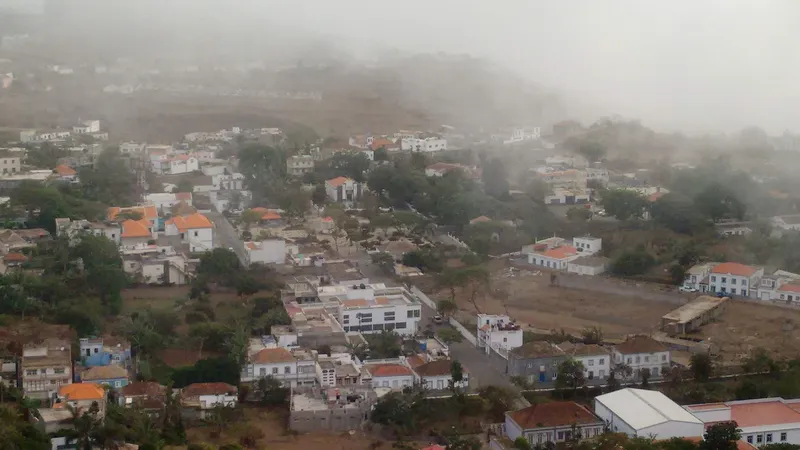
Brava, Cape Verde's smallest island, watches its houses empty out in step with emigration
With just a few thousand inhabitants and a population that keeps shrinking, Nova Sintra has a property market that is nearly frozen, kept alive solely by diasp…
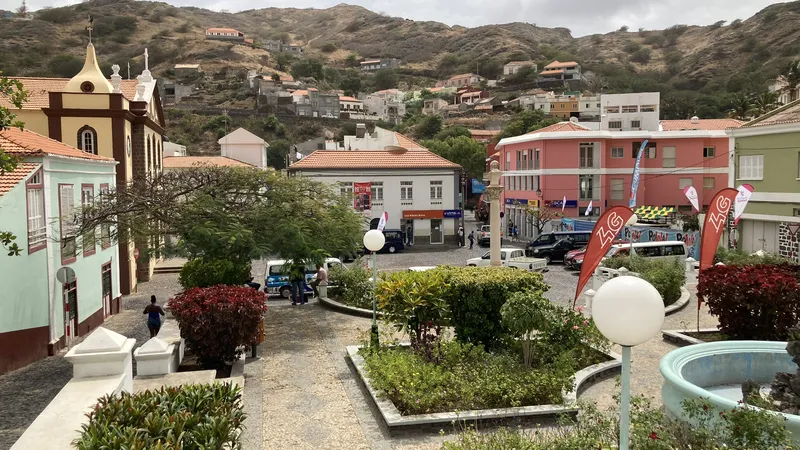
Ribeira Brava holds steady prices as emigration sets the market's pace
In São Nicolau, remittances from the diaspora sustain the building of family homes, but a lack of local buyers leaves a housing stock with many houses shut for…
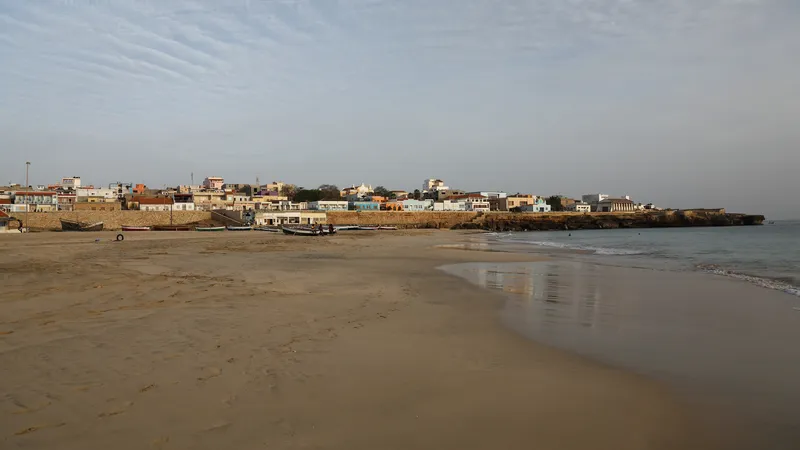
Maio, the island where buying a home is still nearly impossible for lack of supply
With the least developed property market in all of Cape Verde, Vila do Maio records barely any sales, while emigration leaves homes standing empty, neither sol…
Volcanic risk is already shaping house prices in São Filipe
At the foot of the Pico do Fogo volcano, memories of the last eruption continue to weigh on the value of homes near the caldera, while São Filipe's town centre…