Foreign buyers are bidding for the old whaling shipowners' houses of Lajes do Pico
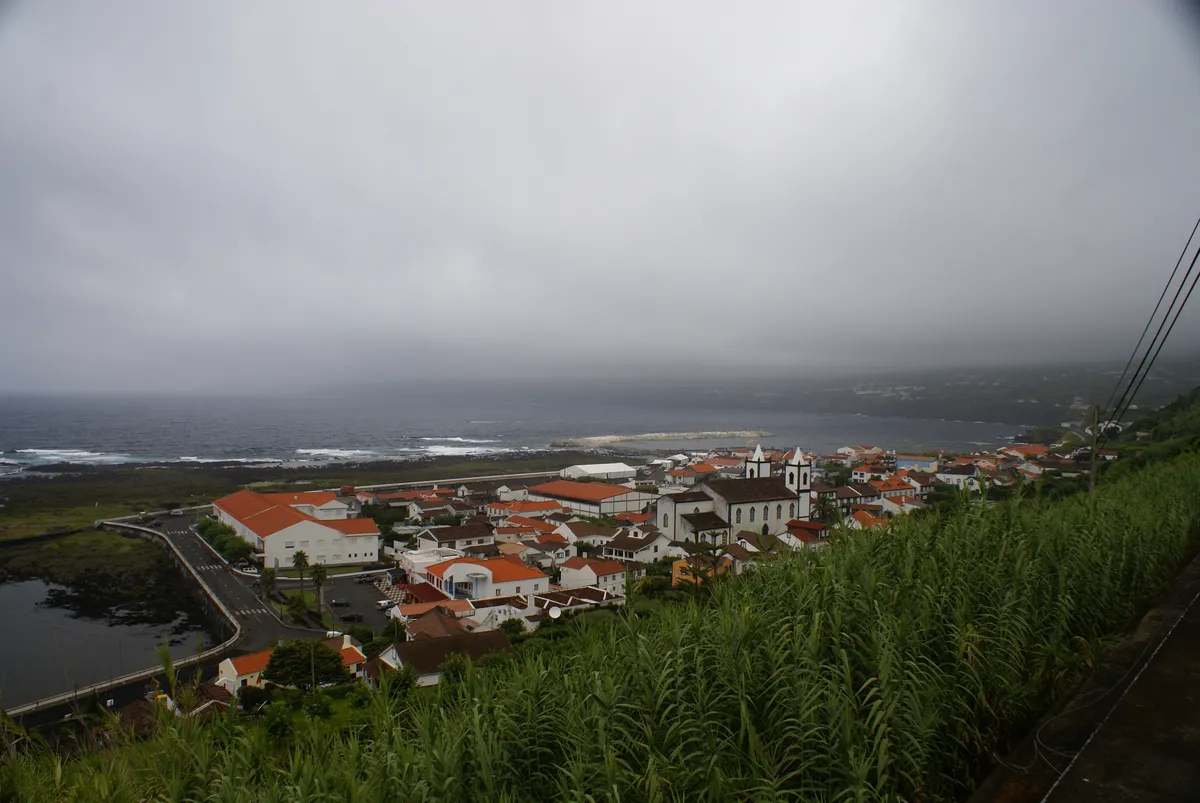
Whaling heritage now sold as luxury housing
Lajes do Pico still has the houses of whaling shipowners and captains, built in nineteenth-century dressed stone.
The profile of the buyer arriving from abroad
Central European and North American buyers take on major restoration work in exchange for historic character.
Restoration work is reviving local trades
Buying these houses is breathing life back into stonemasonry and traditional joinery, trades that had all but died out.
The risk of pushing out long-standing residents
Long-standing residents are finding it ever harder to compete for these same houses.
Heritage bound up with the memory of whaling
For generations Lajes do Pico was one of the main whaling ports in the Azores, an industry that left behind a remarkable set of grand houses built by shipowners and captains from the island's distinctive volcanic stone. Much of that heritage stayed in the hands of the same families for decades, until generational change and the interest of foreign buyers began to alter the picture.
What draws international buyers
Buyers from Germany, the Netherlands and the United States are particularly drawn to the historic character of these houses, with their worked stone façades and interior layouts typical of nineteenth-century architecture. Many take on the cost and complexity of a full restoration with their eyes open, in exchange for keeping hold of a property with a character that is hard to find elsewhere in the archipelago.
A boost for traditional trades
Demand for restoration work faithful to the original style has revived trades such as stonemasonry and traditional joinery, which until a few years ago had all but disappeared from the island. Master craftsmen who at one time would have had to emigrate to find skilled work are now finding commissions tied directly to this kind of heritage restoration.
The other side of rising values
International interest in these historic houses has also pushed up their asking prices, making it harder for local families with generational ties to them to buy when they come on the market. Residents of Lajes do Pico admit to mixed feelings about the trend: on the one hand they are glad to see the heritage preserved and its value recognised; on the other, they fear the old town will end up largely in the hands of owners who do not live there.
More in News
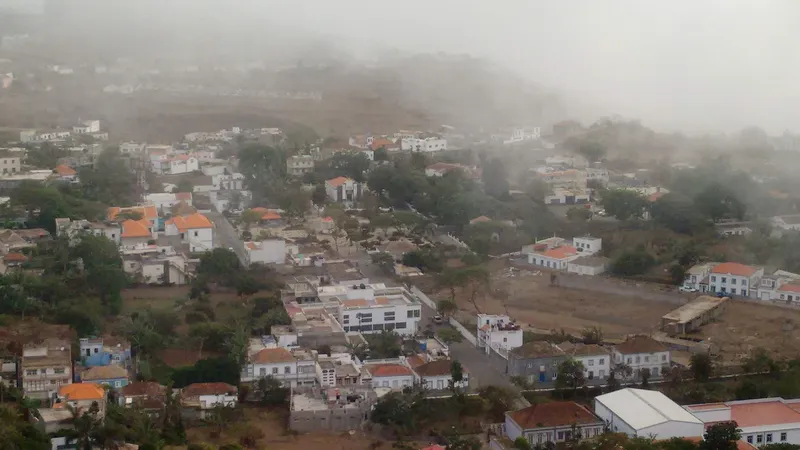
Brava, Cape Verde's smallest island, watches its houses empty out in step with emigration
With just a few thousand inhabitants and a population that keeps shrinking, Nova Sintra has a property market that is nearly frozen, kept alive solely by diasp…
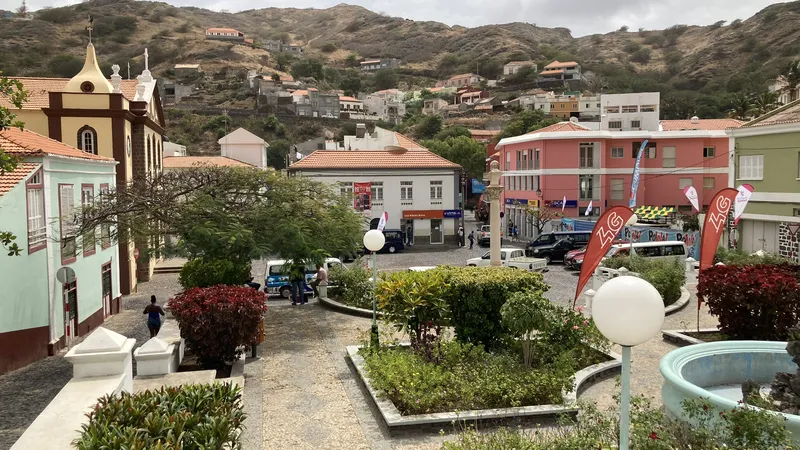
Ribeira Brava holds steady prices as emigration sets the market's pace
In São Nicolau, remittances from the diaspora sustain the building of family homes, but a lack of local buyers leaves a housing stock with many houses shut for…
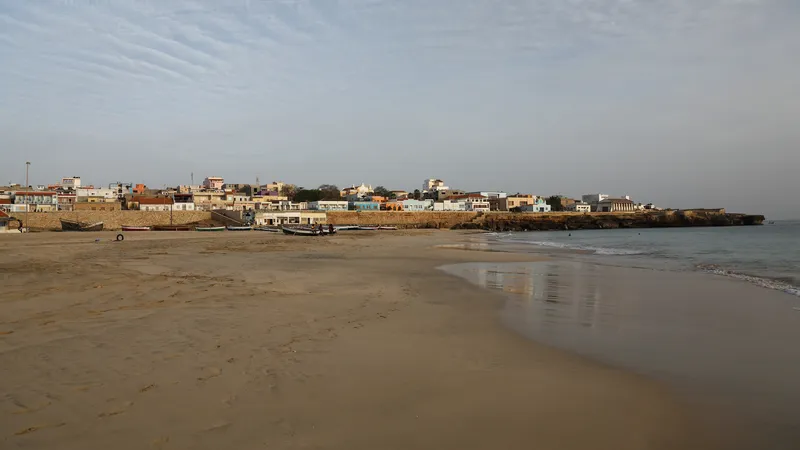
Maio, the island where buying a home is still nearly impossible for lack of supply
With the least developed property market in all of Cape Verde, Vila do Maio records barely any sales, while emigration leaves homes standing empty, neither sol…

Volcanic risk is already shaping house prices in São Filipe
At the foot of the Pico do Fogo volcano, memories of the last eruption continue to weigh on the value of homes near the caldera, while São Filipe's town centre…