Fogo wine sends land values soaring in Chã das Caldeiras
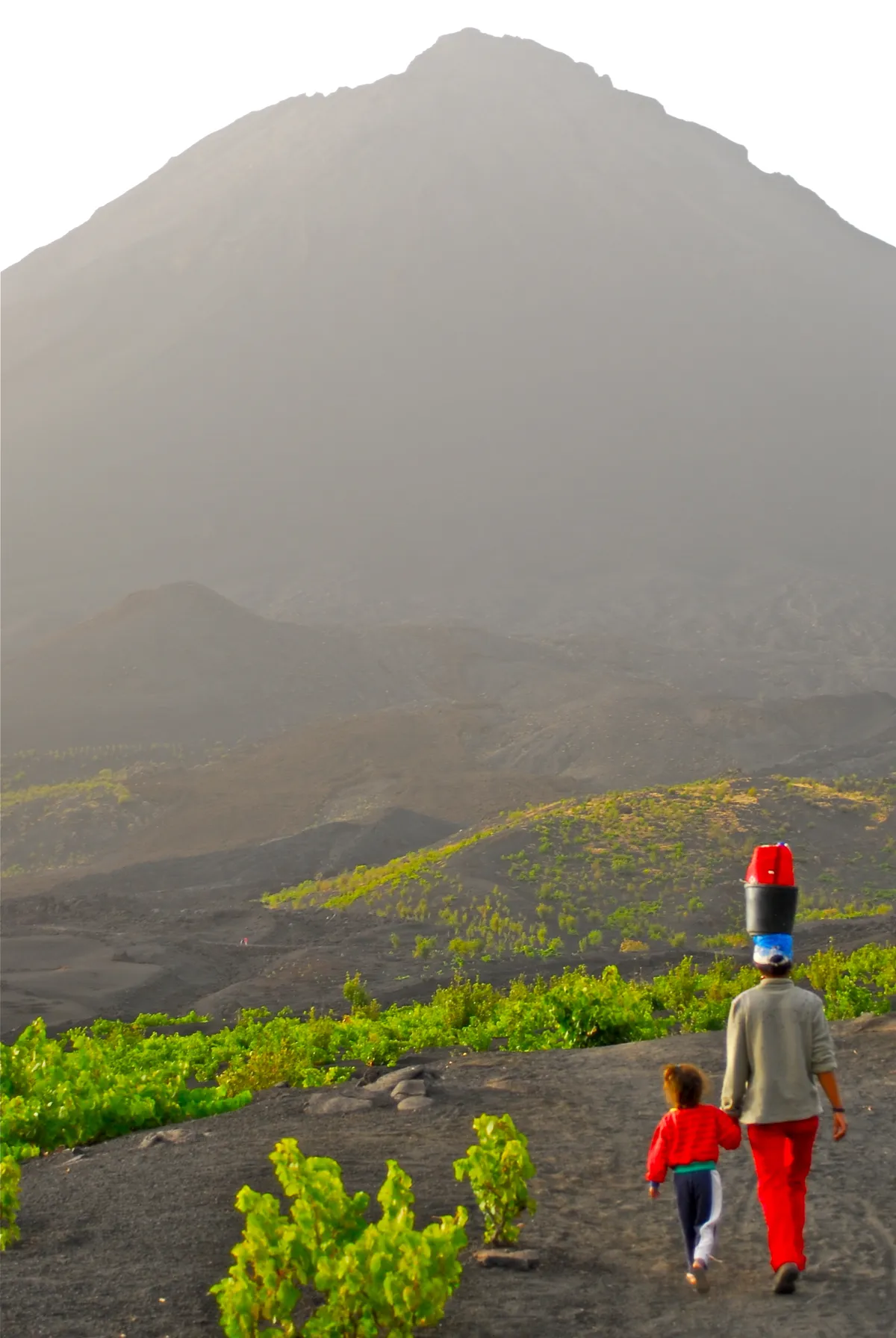
Wine born of lava
Generations of farmers have grown vines directly on volcanic soil with almost no irrigation.
Land worth several times more than neighbouring plots
A productive vineyard plot fetches up to 2,500,000 CVE per hectare.
Boutique wineries as a property draw
Small family wineries combine wine sales with visits and tastings.
The volcano's shadow over farmland investment
The risk of another eruption has not dampened interest in the land.
A century-old winemaking tradition
Vine growing in Chã das Caldeiras dates back to Portuguese settlers who introduced European varieties adapted to the volcanic soil more than a century ago. The near-total absence of pests such as phylloxera, combined with the altitude and soil composition, has allowed century-old vines to survive without the need for rootstock grafting. This agronomic quirk is one of the reasons buyers most often cite to justify the premium on the land. The resulting wine, with its pronounced mineral character, has become a hallmark of the island of Fogo.
Buyers from outside the island
Some of the recent interest in vineyard land comes from investors in Santiago and the Cabo Verdean diaspora settled in Europe, who are seeking both agricultural returns and a symbolic link to their homeland. These buyers often keep the previous owners on as sharecroppers or estate managers. The limited number of plots available each year restricts the volume of deals, which reinforces the upward trend in prices. Local agents estimate that a good share of the land now coming onto the market no longer comes from inheritances but from direct sales between farmers.
The role of the wine cooperatives
The organisation of small producers into cooperatives has made it easier to reach export markets and has helped stabilise the sale price of both grapes and bottled wine. These structures also offer technical guidance to new landowners, many of whom have no prior farming experience. For traditional farmers, the cooperative also provides a way to negotiate with outside buyers who have greater financial firepower. The cooperative system is seen as a stabilising force in an increasingly strained land market.
Wine tourism as a sideline
Guided tours of family wineries and tastings organised alongside the cooperatives have become an additional source of income for owners of productive land. This still-nascent wine tourism mainly attracts European visitors who combine the wine route with the climb up Pico do Fogo. Winemakers themselves acknowledge that this side activity has boosted the commercial value of their plots beyond simple grape production. Tourist interest thus adds a further layer of value to the best-located land.
More in News
Brava, Cape Verde's smallest island, watches its houses empty out in step with emigration
With just a few thousand inhabitants and a population that keeps shrinking, Nova Sintra has a property market that is nearly frozen, kept alive solely by diasp…
Ribeira Brava holds steady prices as emigration sets the market's pace
In São Nicolau, remittances from the diaspora sustain the building of family homes, but a lack of local buyers leaves a housing stock with many houses shut for…
Maio, the island where buying a home is still nearly impossible for lack of supply
With the least developed property market in all of Cape Verde, Vila do Maio records barely any sales, while emigration leaves homes standing empty, neither sol…

Volcanic risk is already shaping house prices in São Filipe
At the foot of the Pico do Fogo volcano, memories of the last eruption continue to weigh on the value of homes near the caldera, while São Filipe's town centre…