Facade restoration begins on colonial buildings in Mindelo's port district
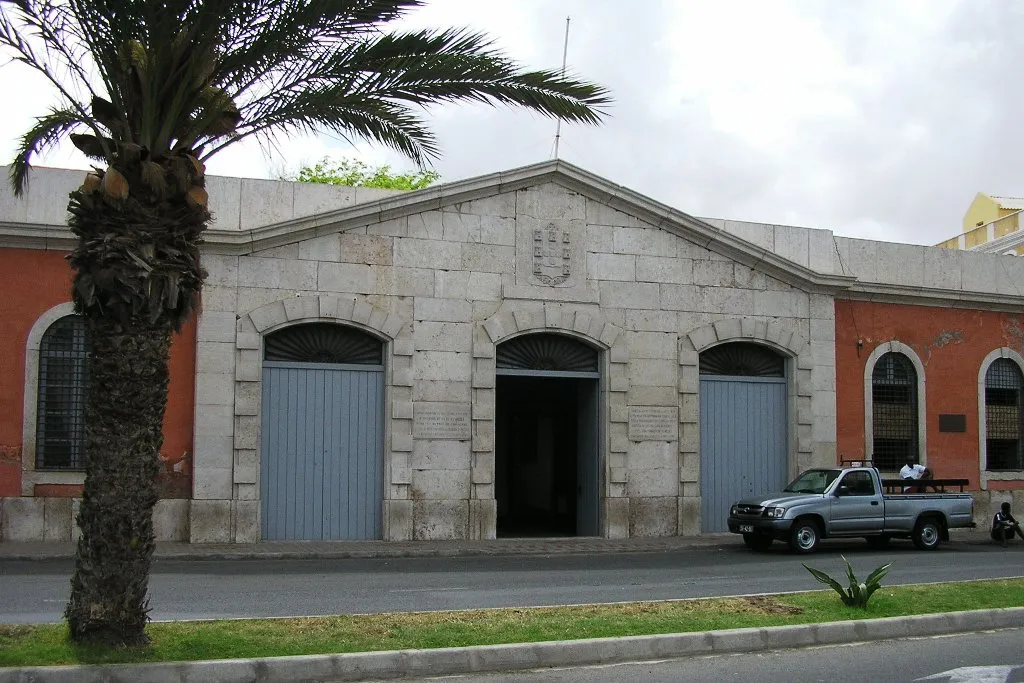
An architectural heritage at risk
The old Alfândega building is a prime example of a group of structures in urgent need of intervention.
First restoration works under way
Budgets run to around 9,000,000 CVE for a medium-sized building.
Caught between conservation and tourism returns
Restored buildings can see their sale or rental value multiply.
The challenge of not pricing out residents
There are fears of an emerging gentrification process in the historic centre.
The architectural legacy of the free port
Mindelo has preserved a distinctive body of colonial architecture linked to its days as a free port and a stopover for ships crossing the Atlantic in the early twentieth century. Buildings such as the old Alfândega reflect that period of intense commercial activity, with dressed-stone facades and wrought-iron balconies typical of the era. As traditional port activity declined, many of these buildings fell into underuse or outright abandonment. Local historians regard Mindelo's centre as one of the best-preserved colonial ensembles in the archipelago, despite its current state of disrepair.
Who is funding the first phase of works
The restoration projects currently under way combine private capital — in some cases from Cape Verdean emigrants — with occasional support from international cooperation programmes interested in preserving Atlantic colonial heritage. The Câmara Municipal de São Vicente has streamlined certain planning procedures to speed up work on listed buildings. Budgets of around 9,000,000 CVE for a medium-sized building limit the number of owners able to carry out the work without outside support. As a result, the pace of recovery for the historic centre remains slow compared with the total number of buildings that need attention.
A revaluation that is causing concern
As the first restorations are completed, sale and rental prices for properties in the historic centre have begun rising noticeably, drawing interest from investors focused on tourist accommodation. Long-standing local traders say they are worried about rising costs for commercial premises on the streets closest to the port. Some lifelong residents have already begun considering selling up in response to offers they have received. Cultural groups in Mindelo are calling for the centre's rising value not to come at the cost of its original social fabric.
In search of a balanced model
Municipal technicians are studying ways to reconcile heritage restoration with keeping current residents in place, including specific support schemes for low-income owners who want to restore their homes without being forced to sell. Other port cities with a colonial past around the Atlantic have faced similar dilemmas, with mixed results. The Câmara Municipal insists that the goal must be a living historic centre, not a backdrop emptied of permanent residents. According to municipal officials themselves, how this plays out will depend largely on upcoming urban planning decisions.
More in News
Brava, Cape Verde's smallest island, watches its houses empty out in step with emigration
With just a few thousand inhabitants and a population that keeps shrinking, Nova Sintra has a property market that is nearly frozen, kept alive solely by diasp…
Ribeira Brava holds steady prices as emigration sets the market's pace
In São Nicolau, remittances from the diaspora sustain the building of family homes, but a lack of local buyers leaves a housing stock with many houses shut for…
Maio, the island where buying a home is still nearly impossible for lack of supply
With the least developed property market in all of Cape Verde, Vila do Maio records barely any sales, while emigration leaves homes standing empty, neither sol…
Volcanic risk is already shaping house prices in São Filipe
At the foot of the Pico do Fogo volcano, memories of the last eruption continue to weigh on the value of homes near the caldera, while São Filipe's town centre…