Decades of emigration to the United States leave parts of Maio with more empty homes than occupied ones
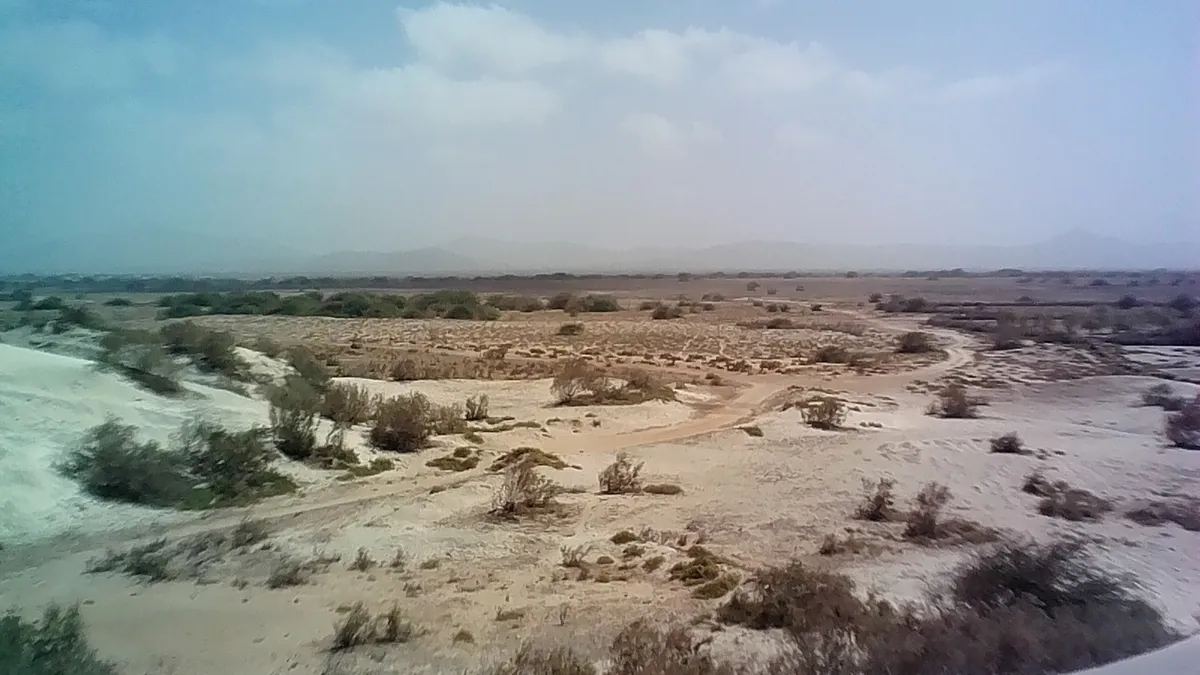
A long-running phenomenon
Emigration to Massachusetts and Rhode Island goes back several generations.
Houses waiting for their owners
In Morrinho it is not unusual to find homes in good condition standing empty.
An unusual second-hand market
When they do come up for sale, from around 900,000 CVE, transactions are slow because of shared inheritances.
The effect on the townscape
It adds to a sense of stagnation in several inland settlements.
Morrinho, a village with more keys than residents
In Morrinho, residents who stay all year round describe whole streets where most houses are opened only during their owners' summer visits. Some permanent residents regret the sense of isolation that comes from seeing so many homes shuttered for much of the year. Others, with relatives who have emigrated themselves, understand the sentimental attachment of those who keep a house they do not live in. The residents' association has asked the Câmara Municipal to help compile a register of these properties in order to gauge the scale of the phenomenon.
Generations of emigration to New England
The movement of people from Maio to Massachusetts and Rhode Island dates back to the late nineteenth century, historically tied to whaling and, later, to the search for industrial work. Local researchers note that this emigration continued for generations, establishing settled Cabo Verdean communities in cities such as New Bedford and Providence. Many of the houses standing empty today belong to third- or fourth-generation descendants who keep the property more out of family attachment than for any practical use. Historians of the diaspora regard Maio as one of the islands where this migratory pattern is most visible in the built environment.
Inheritances that stall sales
When one of these homes finally reaches the market, notaries and estate agents on the island describe unusually protracted sales because of the number of heirs spread between Cabo Verde and the United States. Establishing ownership can take years, since some co-owners have not set foot on the island in decades. This shrinks the supply of housing genuinely available even though the stock of closed-up houses is considerable. Professionals in the sector are calling for swifter mechanisms to regularise this kind of fragmented inheritance.
A challenge for the future of the island's interior
The Câmara Municipal of Maio is studying ways to encourage these homes to be let or sold, with the aim of easing the sense of stagnation in settlements such as Morrinho. One idea raised is to approach diaspora associations in Massachusetts directly to explore restoration schemes. Some residents see rural tourism as a chance to give these houses a new purpose without families having to give up ownership. So far, no specific initiative has moved beyond the study stage.
More in News
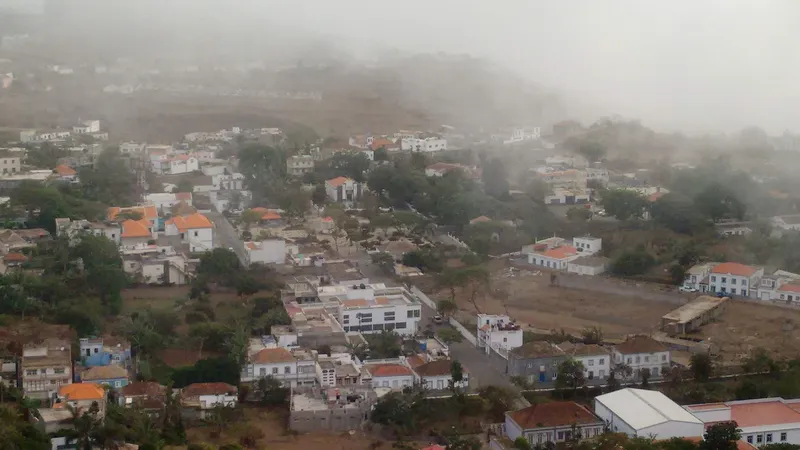
Brava, Cape Verde's smallest island, watches its houses empty out in step with emigration
With just a few thousand inhabitants and a population that keeps shrinking, Nova Sintra has a property market that is nearly frozen, kept alive solely by diasp…
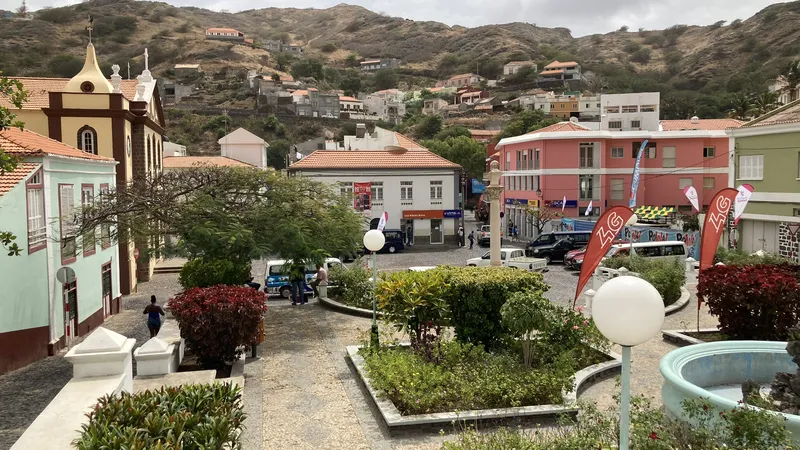
Ribeira Brava holds steady prices as emigration sets the market's pace
In São Nicolau, remittances from the diaspora sustain the building of family homes, but a lack of local buyers leaves a housing stock with many houses shut for…
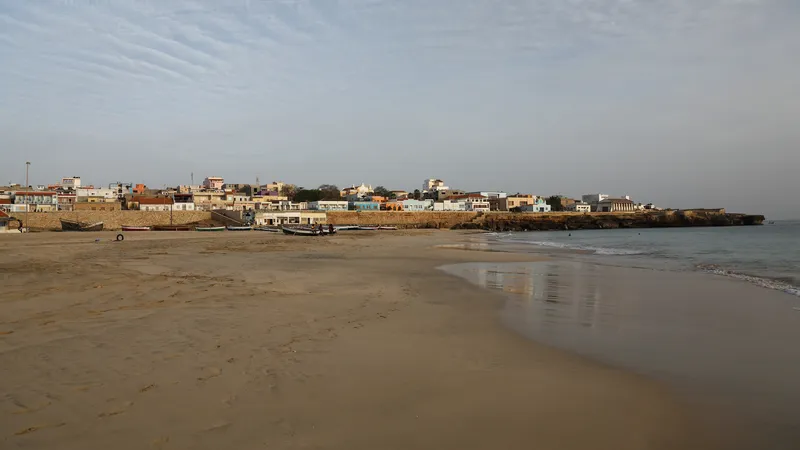
Maio, the island where buying a home is still nearly impossible for lack of supply
With the least developed property market in all of Cape Verde, Vila do Maio records barely any sales, while emigration leaves homes standing empty, neither sol…
Volcanic risk is already shaping house prices in São Filipe
At the foot of the Pico do Fogo volcano, memories of the last eruption continue to weigh on the value of homes near the caldera, while São Filipe's town centre…