The Cultura da Vinha landscape sends land prices soaring in Criação Velha and Santa Luzia
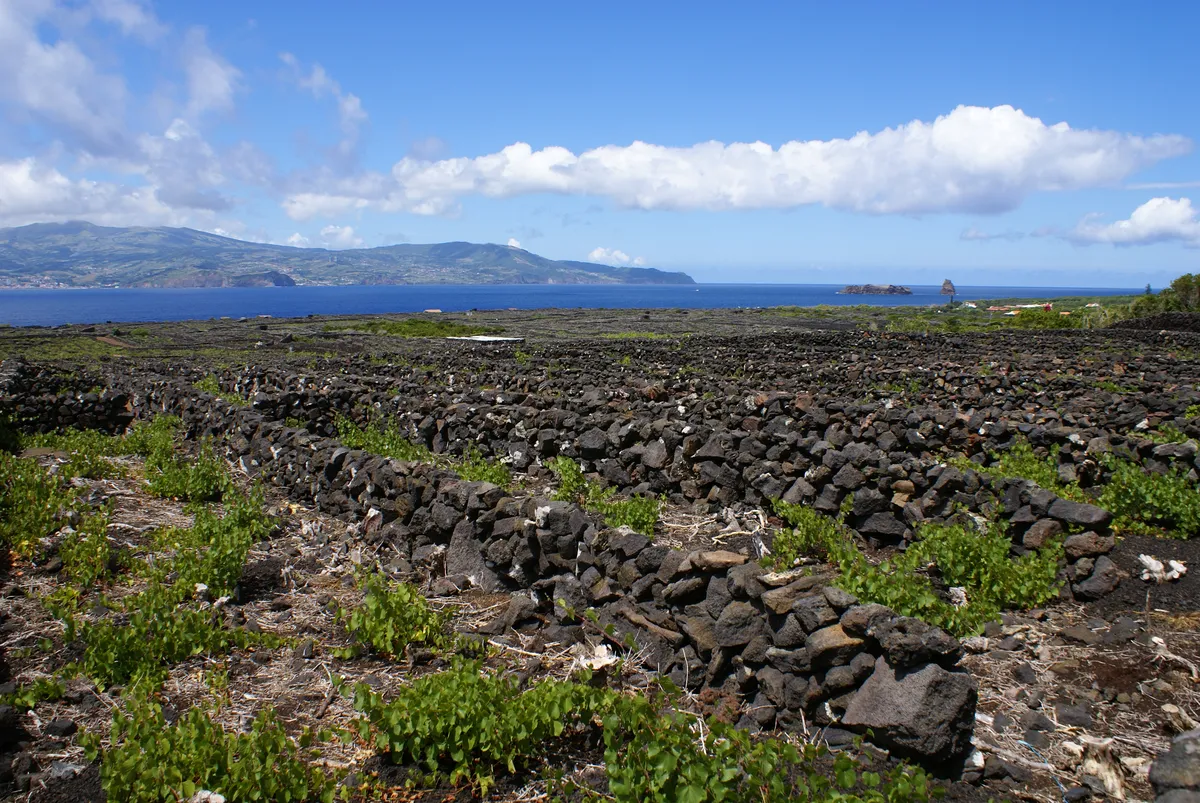
A protected landscape that has become scarce
Vineyard plots in Criação Velha and Santa Luzia have become the tightest segment of the Pico market.
What the Unesco label does to prices
A house looking out over the currais can fetch twice the price of an equivalent property outside the recognised area.
Land constrained by the protection rules themselves
Unesco listing imposes strict limits on new building and on changes of use.
A market that is starting to worry growers themselves
Growers associations fear being priced out of land their families have farmed for generations.
Stone currais, the feature that drives value
The traditional volcanic stone currais that shelter the vines from the wind are, along with the vineyard itself, among the features buyers in this area prize most highly. A plot with well preserved currais and an adjoining traditional house can command figures far above those of comparable farmland without that landscape value. Heritage specialists point out that this kind of construction, the collective work of generations of growers, has become as powerful a selling point as location itself.
Foreign buyers with a wine connection
A good share of recent deals in Criação Velha and Santa Luzia involve foreign buyers interested either in small winemaking ventures or in second homes tied to the protected landscape. Local estate agents describe a recurring profile: a European buyer with an existing interest in wine tourism, willing to pay high prices in exchange for a plot inside the area recognised by Unesco. That kind of demand barely existed before the heritage listing and has changed the usual buyer profile across the municipality of Madalena.
Madalena Town Council, caught between promotion and protection
Madalena Town Council recognises the tourism appeal that comes with the Unesco label, but concedes how hard it is to reconcile that promotion with genuine protection of the vineyard landscape against speculation. Council sources explain that any change of use within the protected area requires express authorisation, a mechanism that partly restrains property pressure without stopping land values from rising. Striking a balance between attracting visitors and investment and preserving traditional winegrowing is at the heart of much of the current debate at the town hall.
Fears over who will take on the vines next
Several winegrowing families in Santa Luzia warn that their children could be tempted to sell inherited plots when offers far exceed what traditional cultivation earns them. Industry bodies are calling for targeted support schemes that would make staying with the vines more attractive than selling the land outright. The risk, they say, is that within a generation much of the protected landscape will belong to owners with no working link to it.
More in News
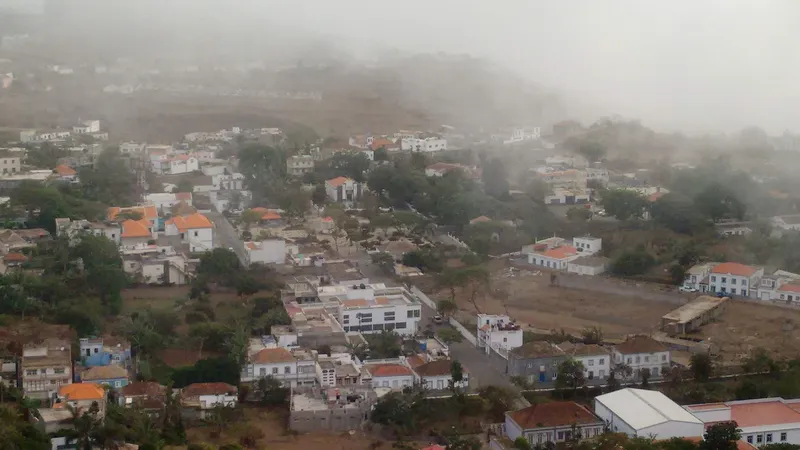
Brava, Cape Verde's smallest island, watches its houses empty out in step with emigration
With just a few thousand inhabitants and a population that keeps shrinking, Nova Sintra has a property market that is nearly frozen, kept alive solely by diasp…
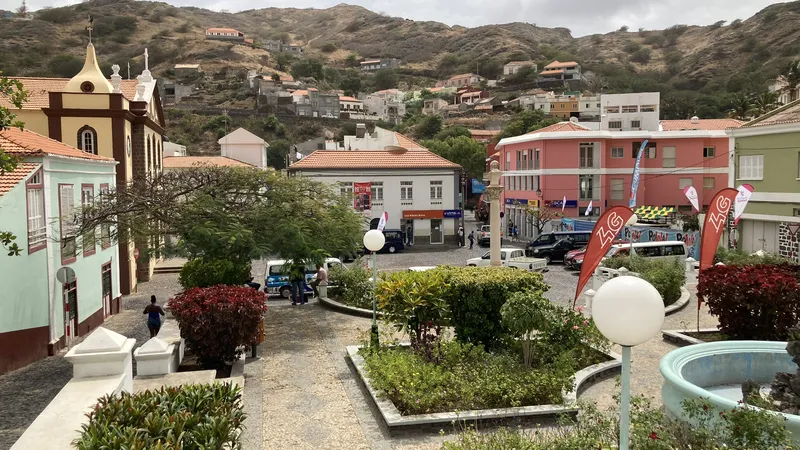
Ribeira Brava holds steady prices as emigration sets the market's pace
In São Nicolau, remittances from the diaspora sustain the building of family homes, but a lack of local buyers leaves a housing stock with many houses shut for…
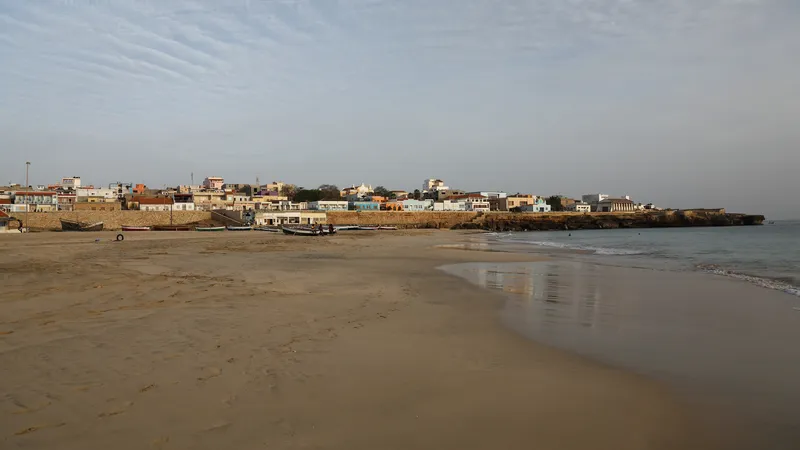
Maio, the island where buying a home is still nearly impossible for lack of supply
With the least developed property market in all of Cape Verde, Vila do Maio records barely any sales, while emigration leaves homes standing empty, neither sol…

Volcanic risk is already shaping house prices in São Filipe
At the foot of the Pico do Fogo volcano, memories of the last eruption continue to weigh on the value of homes near the caldera, while São Filipe's town centre…