Better sea and air links push up housing prices around Valverde
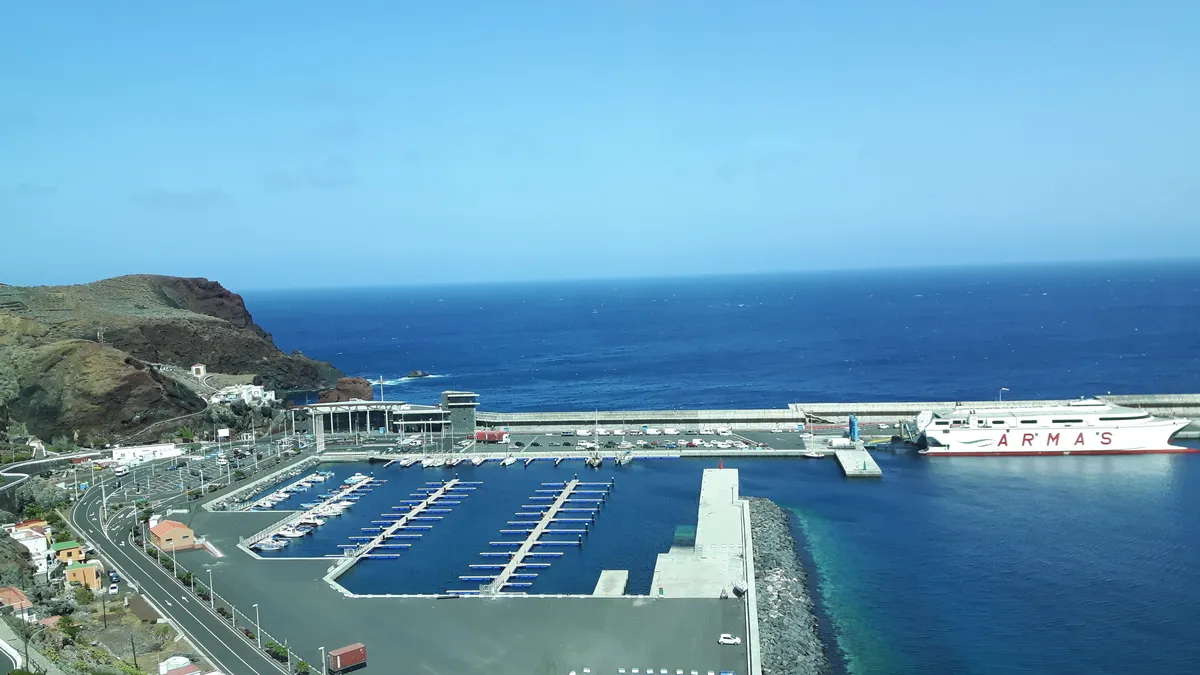
Two key pieces of infrastructure for a small island
The Port of La Estaca and El Hierro airport both sit next to Valverde.
More traffic, more economic activity
Freight traffic and flight frequencies have both grown, spurring new businesses in the area.
Housing and logistics land competing for space
Logistics workers are adding to housing demand in an area where land is in short supply.
The island council stands by further investment in connectivity
Upgrading the port and the airport is seen as a priority despite the knock-on effects on the housing market.
An island that depends on its gateways
Every improvement to the port or the airport translates into more housing demand nearby.
The airport, expanded to improve links with Tenerife
El Hierro airport has undergone upgrades in recent years aimed at strengthening its links with Tenerife, the main gateway for passengers and goods heading to the island. Those improvements have made it possible to increase the number of daily flights, something the local tourism sector regards as decisive in attracting visitors who previously chose better-connected destinations elsewhere in the archipelago. The area immediately around the airport, close to Valverde, has seen a pick-up in housing demand from airport and logistics workers.
The Port of La Estaca, the main entry point for goods
Virtually every consignment that reaches El Hierro comes in through the Port of La Estaca, making the facility a strategic asset for the entire island economy. The rise in container traffic in recent years has gone hand in hand with new logistics and distribution firms setting up close to the port, creating jobs that in turn feed housing demand in Valverde and its surroundings. Port operators expect that growth to continue over the coming years.
Land is scarce for logistics and industry too
The same shortage of developable land that constrains housing on El Hierro also limits the plots available for logistics and industrial use around the port and the airport. Firms in the sector report difficulties finding warehouses or land on which to expand, a situation that at times sets them in competition for the very land that could be used for housing. The island council acknowledges this clash of land uses as one of the most delicate aspects of planning on the island.
A development model that is not without its critics
Some environmental voices question whether the drive to expand the port and the airport is fully compatible with the Biosphere Reserve status the island has held since 2000. The island council counters that both are indispensable to guarantee supplies and mobility for a small island far from the rest of the archipelago, and that upgrading them does not necessarily mean a heavier environmental footprint. The debate between connectivity and sustainability remains open, with housing among the side effects least discussed in public so far.
More in News
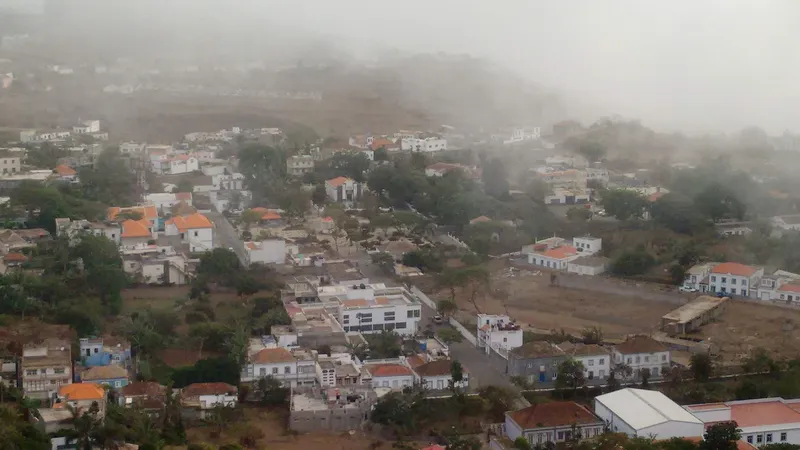
Brava, Cape Verde's smallest island, watches its houses empty out in step with emigration
With just a few thousand inhabitants and a population that keeps shrinking, Nova Sintra has a property market that is nearly frozen, kept alive solely by diasp…
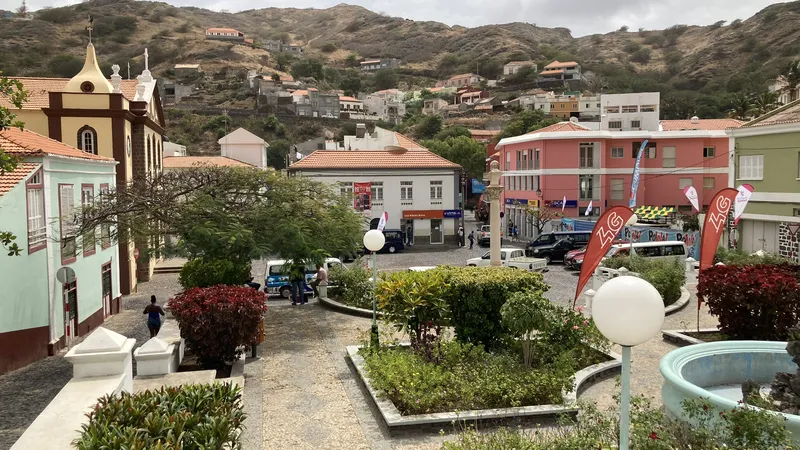
Ribeira Brava holds steady prices as emigration sets the market's pace
In São Nicolau, remittances from the diaspora sustain the building of family homes, but a lack of local buyers leaves a housing stock with many houses shut for…
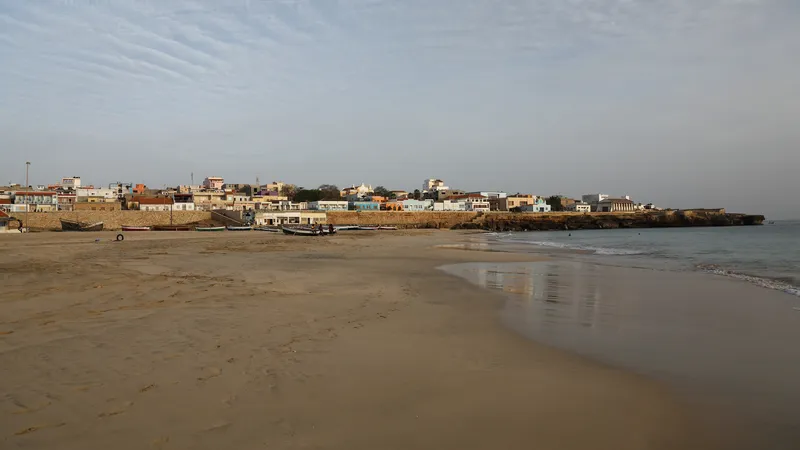
Maio, the island where buying a home is still nearly impossible for lack of supply
With the least developed property market in all of Cape Verde, Vila do Maio records barely any sales, while emigration leaves homes standing empty, neither sol…
Volcanic risk is already shaping house prices in São Filipe
At the foot of the Pico do Fogo volcano, memories of the last eruption continue to weigh on the value of homes near the caldera, while São Filipe's town centre…