Without enough ferries or flights, building a house in Fogo can take twice as long
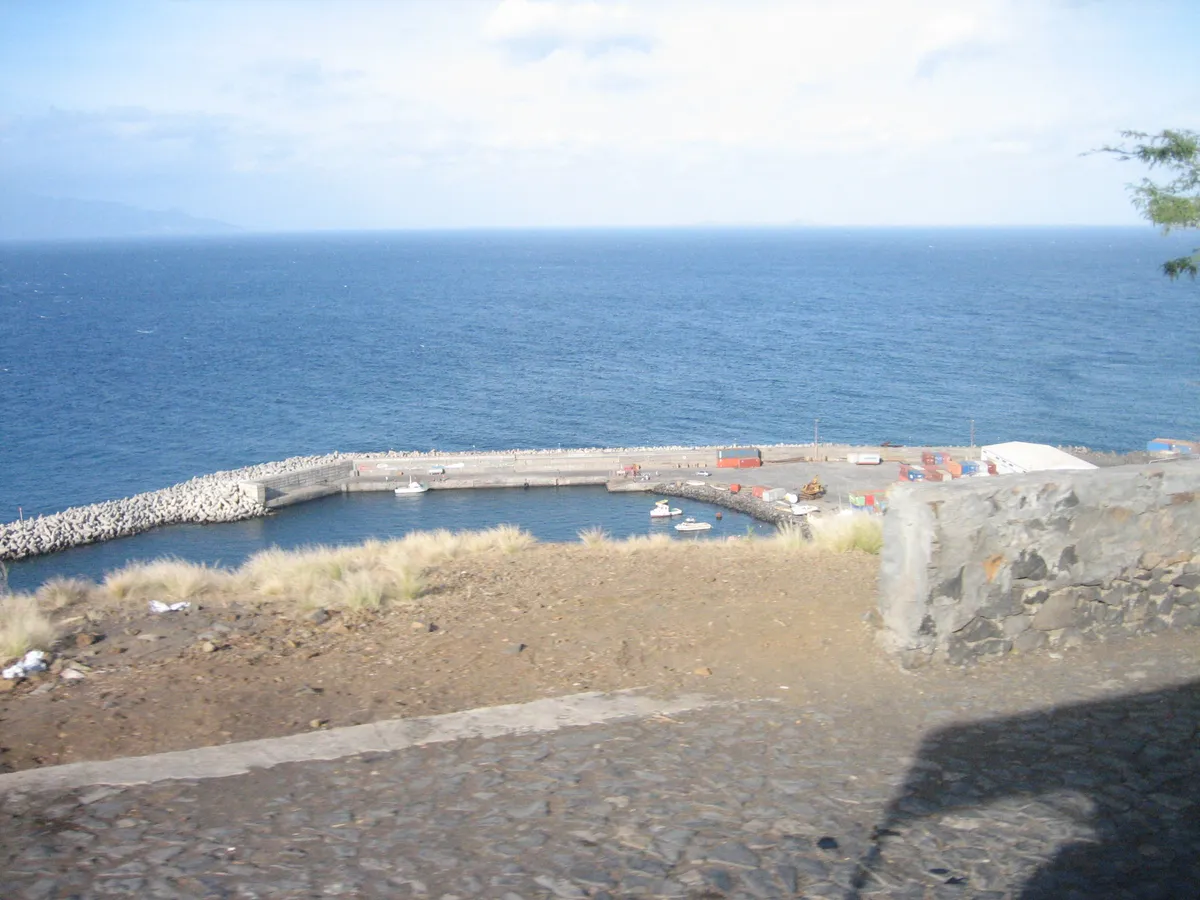
An island that depends on the boat to build
Almost no materials are produced in Fogo; everything arrives from Santiago via the port.
The bottleneck at the port of Vale de Cavaleiros
An order can take between two and four weeks to arrive.
The airport, a secondary and costly route
It is reserved for small parts or urgent repairs.
Extra costs passed on to the final price
The mark-up over Santiago prices for materials runs at around 10% to 20%.
A port designed for cargo, not construction
The port of Vale de Cavaleiros, Fogo's main entry point for goods, has no dedicated facilities for storing large volumes of building materials such as cement, steel or ceramics. This forces contractors to coordinate the arrival of each order precisely, since the available unloading space is limited and shared with the rest of the island's cargo. Any delay in the boat arriving from Santiago immediately hits the schedule of ongoing building work. Port workers themselves acknowledge that the current infrastructure has become too small for the volume of construction the island now sees.
Contractors planning months ahead
Uncertainty over delivery times has led local builders to order materials several weeks or even months in advance, far more than is usual on other, better-connected islands. This way of working requires calculating the needs of an entire project precisely from the outset, since amending an order midway through can mean weeks of extra waiting. The most experienced contractors keep direct relationships with suppliers in Santiago to get ahead of possible stock shortages. This forced planning has become a skill valued as highly as technical know-how in the local trade.
The role of emergency air freight
When a project grinds to a halt for lack of a specific part, some contractors turn to air freight from Santiago to avoid losing weeks of work, taking on a considerable mark-up compared with sea transport. This route is reserved almost exclusively for small parts, such as fittings or spares, given the limited cargo space on flights available to Fogo. The cost per kilogram flown in can be several times that of conventional sea freight. Even so, for projects on tight deadlines, the extra cost is seen as preferable to stopping construction altogether.
Comparisons with other smaller islands
Fogo contractors often compare their situation to that of Brava or São Nicolau, islands of similar size facing similar logistical constraints in transporting building materials. In every case, dependence on Santiago as the source of most supplies translates into extra costs and delays that are hard to cut without further investment in port infrastructure. Some businesses in the sector are calling for a coordinated upgrade of the smaller islands' ports, rather than isolated, island-by-island fixes. In the meantime, building in Fogo continues to require more time and more money than on the archipelago's better-connected islands.
More in News
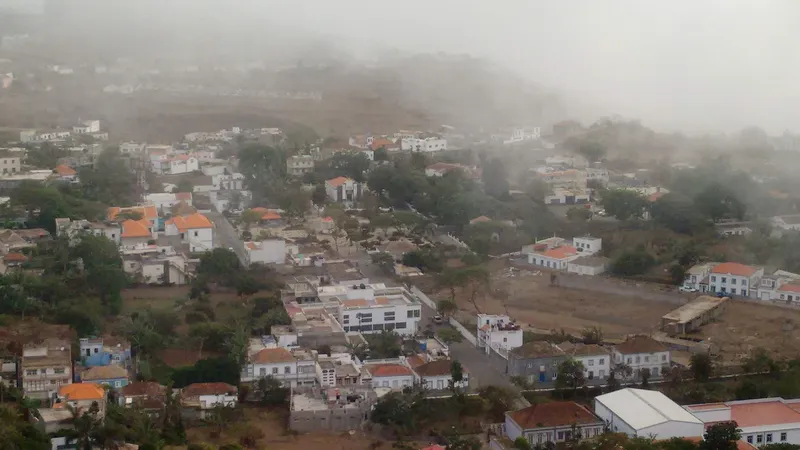
Brava, Cape Verde's smallest island, watches its houses empty out in step with emigration
With just a few thousand inhabitants and a population that keeps shrinking, Nova Sintra has a property market that is nearly frozen, kept alive solely by diasp…
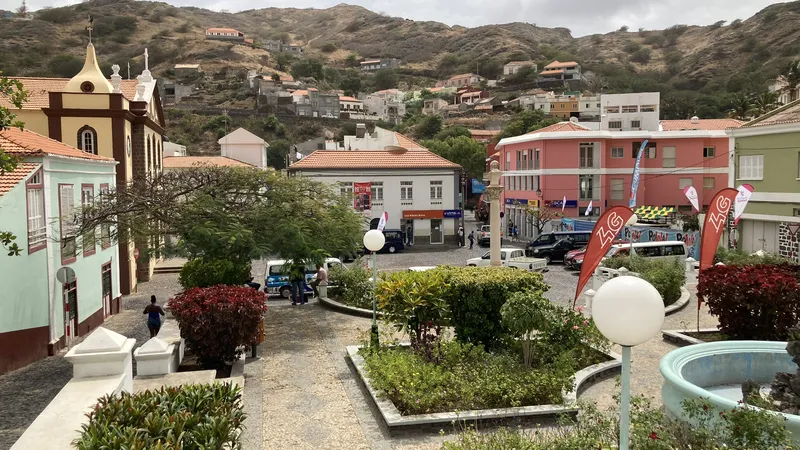
Ribeira Brava holds steady prices as emigration sets the market's pace
In São Nicolau, remittances from the diaspora sustain the building of family homes, but a lack of local buyers leaves a housing stock with many houses shut for…
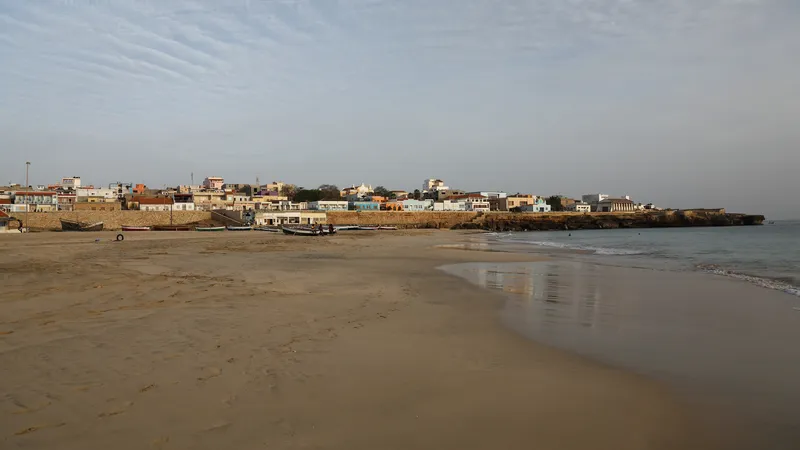
Maio, the island where buying a home is still nearly impossible for lack of supply
With the least developed property market in all of Cape Verde, Vila do Maio records barely any sales, while emigration leaves homes standing empty, neither sol…
Volcanic risk is already shaping house prices in São Filipe
At the foot of the Pico do Fogo volcano, memories of the last eruption continue to weigh on the value of homes near the caldera, while São Filipe's town centre…