Santa Maria's international airport revives property interest in Vila do Porto
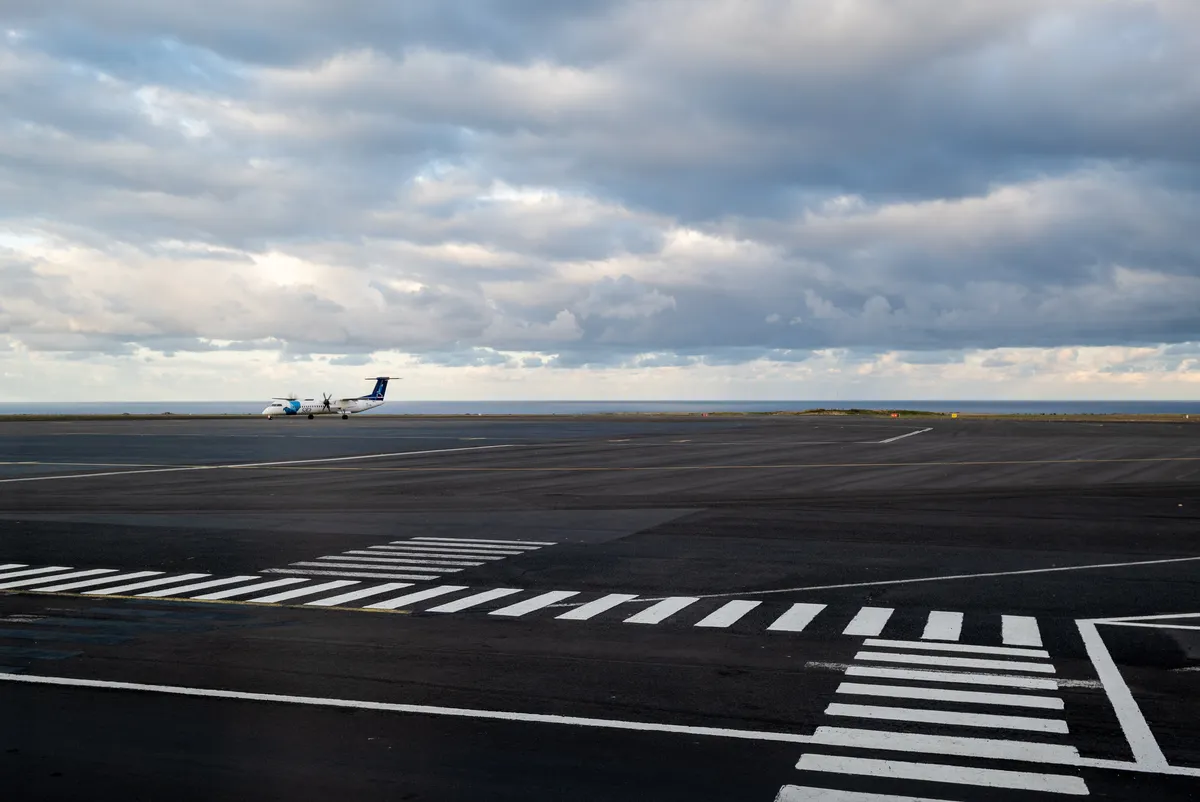
Infrastructure with a transatlantic past
Santa Maria Airport, an obligatory stopover on transatlantic routes in the 1940s, remains strategic.
Effect on prices in the island's capital
Proximity to the airport is a common selling point, with year-on-year rises of 8-12%.
Rental demand from technical staff
Air traffic controllers and maintenance staff generate steady demand for medium-term rentals.
A symbol that also draws heritage tourism
Former airport workers' homes are being converted into short-stay accommodation.
A history rooted in transatlantic aviation
The airport was built in the 1940s as an obligatory technical stopover for flights between Europe and America, at a time when aircraft could not cover the route without refuelling. That strategic role gave Vila do Porto an airport infrastructure and tradition unusual for an island of its size. Today it remains, alongside tourism, the town's main employer.
Price rises concentrated around the airport
Property listings in Vila do Porto explicitly highlight proximity to the airport as a selling point. The rises of between 8% and 12% year-on-year are concentrated mainly in the streets near the terminal and the staff parking areas. Local agents explain that a good deal of the demand comes from airport workers themselves seeking to cut their daily commute.
Medium-term rentals for technical staff
Air traffic controllers, maintenance technicians and meteorology staff rotate through on temporary contracts, generating steady demand for rentals of several months. Local landlords prefer this type of tenant to short-stay tourists, for the stability of the income. This demand keeps much of the capital's available rental stock occupied all year round.
Heritage tourism adds to property interest
Old homes built for airport workers during the decades of expansion are being restored as short-stay accommodation linked to historic aviation tourism. Visitors interested in the legacy of the transatlantic routes seek out lodging in the original setting of the infrastructure. The town council is considering signposting this heritage as part of a dedicated tourist route.
More in News
Brava, Cape Verde's smallest island, watches its houses empty out in step with emigration
With just a few thousand inhabitants and a population that keeps shrinking, Nova Sintra has a property market that is nearly frozen, kept alive solely by diasp…
Ribeira Brava holds steady prices as emigration sets the market's pace
In São Nicolau, remittances from the diaspora sustain the building of family homes, but a lack of local buyers leaves a housing stock with many houses shut for…
Maio, the island where buying a home is still nearly impossible for lack of supply
With the least developed property market in all of Cape Verde, Vila do Maio records barely any sales, while emigration leaves homes standing empty, neither sol…
Volcanic risk is already shaping house prices in São Filipe
At the foot of the Pico do Fogo volcano, memories of the last eruption continue to weigh on the value of homes near the caldera, while São Filipe's town centre…