Graciosa's young people caught between low wages and a lack of affordable housing
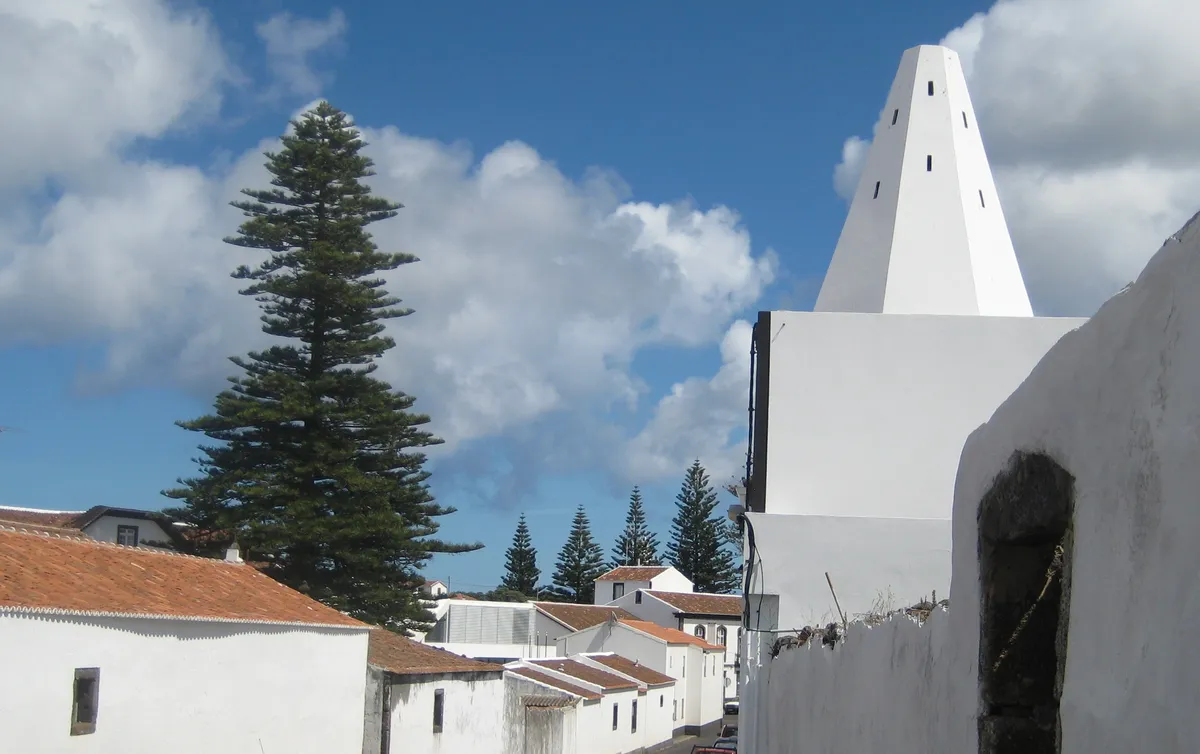
Leaving home without leaving the island, a growing challenge
Finding rental housing at a price compatible with local wages is a growing concern in Santa Cruz da Graciosa.
Wages tied to farming and fishing
Wages lag behind the archipelago average, pushing young people towards Terceira or the mainland.
Inherited houses, but not always liveable
Many young people are co-heirs to shuttered family homes they lack the means to renovate.
Municipal initiatives still tentative
There are no specific schemes comparable to those on larger islands such as São Miguel or Terceira.
A rental market that is virtually non-existent
In Santa Cruz da Graciosa, the number of homes that come up for rent in a year can be counted on one hand. The low turnover reflects both the island's size and the custom of keeping homes within the family. Agents who also operate on Terceira receive barely any instructions from Graciosa.
Terceira, the natural destination for those who leave
Its proximity and good sea links with Terceira make it the preferred destination for young people who cannot find housing on their own island. Many combine the move with studies or jobs that don't exist on Graciosa, which makes returning harder. The demographic drain worries authorities already aware of the island's shrinking working-age population.
Inherited houses that require unaffordable investment
A good many young people are co-heirs to shuttered family homes that would need considerable investment to become liveable again. The need for agreement among heirs, coupled with a lack of funds, leaves these houses in a limbo they rarely emerge from. Other Azorean islands have specific renovation grants that Graciosa still lacks.
A gap with the larger islands
Unlike São Miguel or Terceira, Graciosa has no youth housing programmes of its own, owing to its small size and limited resources. Residents' associations are calling for specific attention from the Regional Government for the smaller islands. Without programmes of their own, young people depend almost entirely on what their families can offer.
More in News
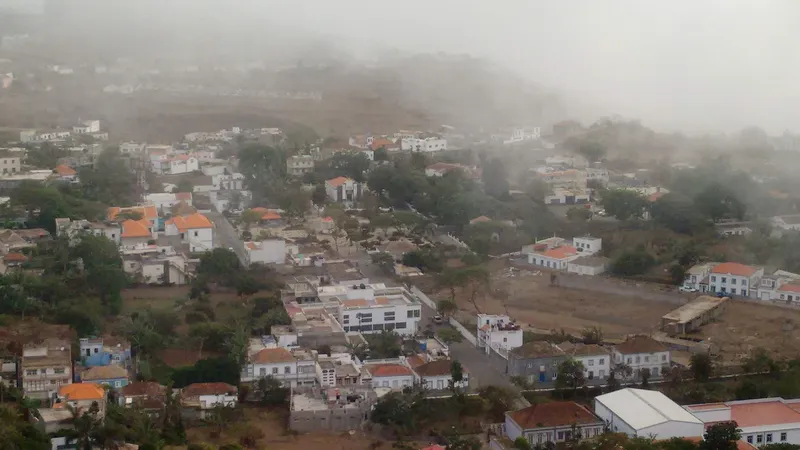
Brava, Cape Verde's smallest island, watches its houses empty out in step with emigration
With just a few thousand inhabitants and a population that keeps shrinking, Nova Sintra has a property market that is nearly frozen, kept alive solely by diasp…
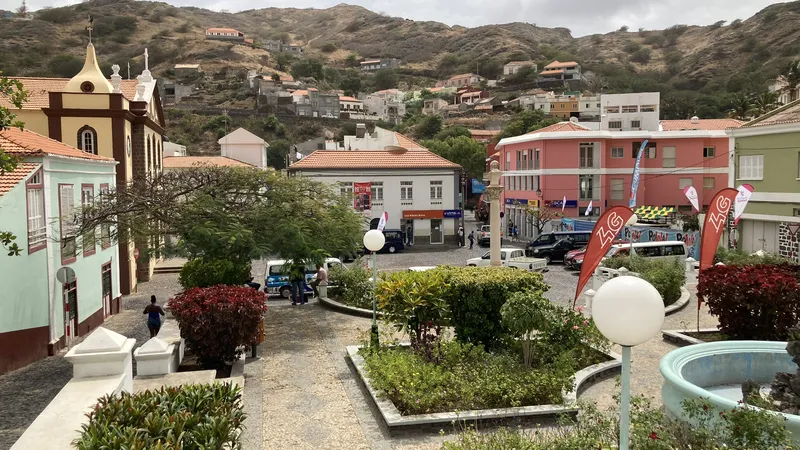
Ribeira Brava holds steady prices as emigration sets the market's pace
In São Nicolau, remittances from the diaspora sustain the building of family homes, but a lack of local buyers leaves a housing stock with many houses shut for…
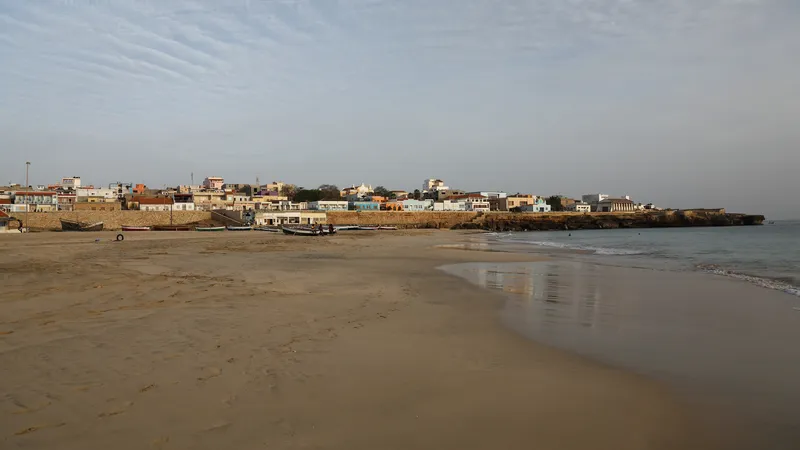
Maio, the island where buying a home is still nearly impossible for lack of supply
With the least developed property market in all of Cape Verde, Vila do Maio records barely any sales, while emigration leaves homes standing empty, neither sol…
Volcanic risk is already shaping house prices in São Filipe
At the foot of the Pico do Fogo volcano, memories of the last eruption continue to weigh on the value of homes near the caldera, while São Filipe's town centre…