Flores, at Europe's westernmost edge, starts to feel the arrival of remote workers looking for a home
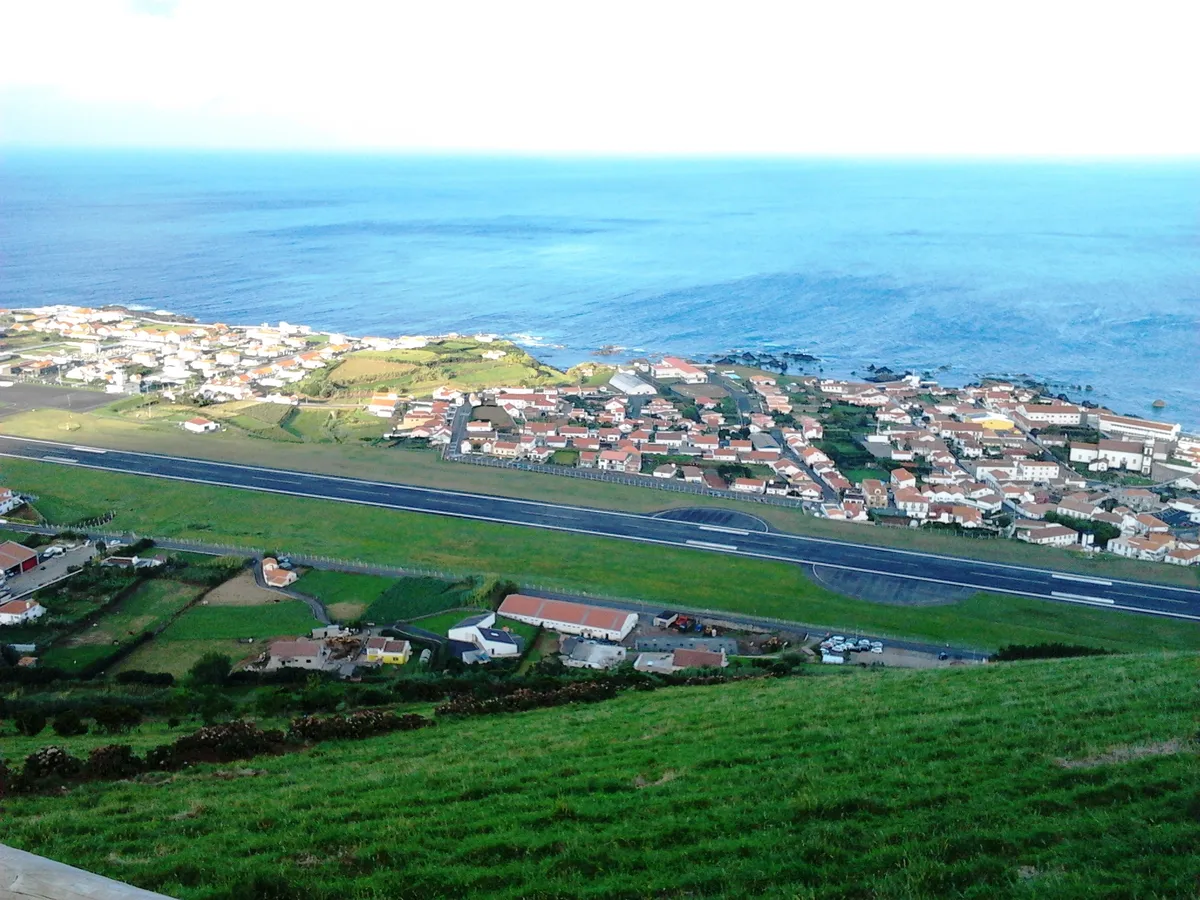
Flores, the westernmost island in Europe and a Unesco biosphere reserve, has for decades been synonymous with isolation and depopulation. However, the rise of landscape tourism and the arrival of a trickle of new foreign residents are beginning to leave their mark on the small property market of Santa Cruz das Flores, according to local industry sources.
A tiny market that is starting to stir
The number of homes for sale on the island remains very small, but the few estate agents operating there report moderate yet sustained price rises in recent years, particularly for properties with sea views or close to the town centre.
The effect of the waterfalls and social media
Images of the island's waterfalls and lagoons, widely shared on social media, have driven a surge in tourist interest in Flores in recent years, boosting demand for accommodation and, with it, the appeal of investing in small guest houses, according to sources in the tourism sector.
Remote workers and new foreign residents
Alongside this passing-through tourism there is a different profile: Europeans and North Americans who decide to settle for extended periods thanks to remote work, drawn by the landscape and tranquillity, and who buy or restore old houses for their own use, according to estate agents consulted.
An island still losing its young population
Despite this incipient arrival of new residents, the emigration of young people from Flores to São Miguel, mainland Portugal or abroad has not stopped, and the island still has one of the most aged population pyramids in the archipelago.
Measures to balance depopulation and new demand
The Regional Government and the Santa Cruz das Flores Town Council are maintaining resettlement programmes and housing incentives, while also investing in improving sea and air links with the rest of the archipelago, aware that accessibility will remain key to attracting, or retaining, population.
More in News
Brava, Cape Verde's smallest island, watches its houses empty out in step with emigration
With just a few thousand inhabitants and a population that keeps shrinking, Nova Sintra has a property market that is nearly frozen, kept alive solely by diasp…
Ribeira Brava holds steady prices as emigration sets the market's pace
In São Nicolau, remittances from the diaspora sustain the building of family homes, but a lack of local buyers leaves a housing stock with many houses shut for…
Maio, the island where buying a home is still nearly impossible for lack of supply
With the least developed property market in all of Cape Verde, Vila do Maio records barely any sales, while emigration leaves homes standing empty, neither sol…
Volcanic risk is already shaping house prices in São Filipe
At the foot of the Pico do Fogo volcano, memories of the last eruption continue to weigh on the value of homes near the caldera, while São Filipe's town centre…