Fajã de Água Draws What Little Coastal Property Interest Brava Has, Despite Its Tiny Harbour
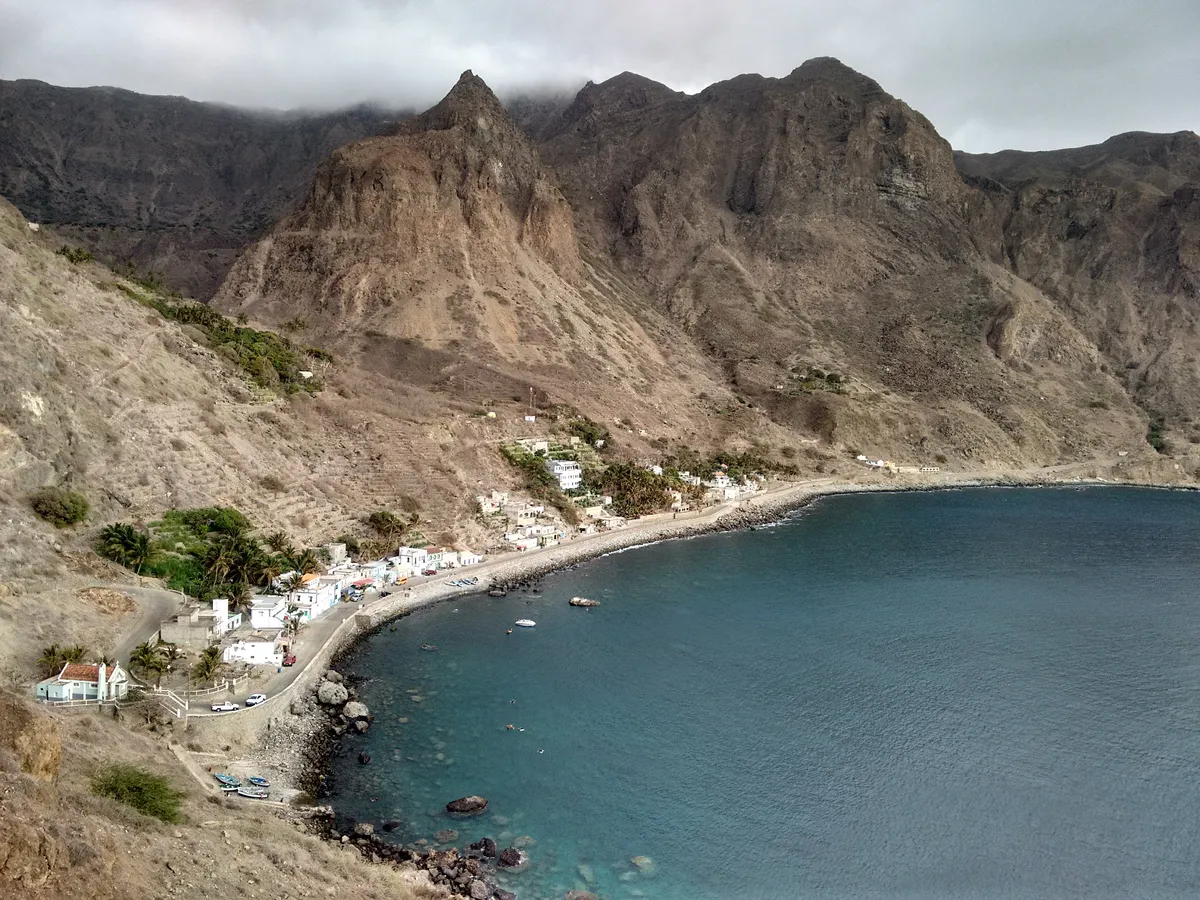
The Island's Only Stretch of Livable Coast
Fajã de Água still has a handful of houses with direct views of the Atlantic.
Prices Held Up by Scarce Land
Houses with a garden and frontal sea views can fetch more than 6,500,000 CVE.
A Harbour That Shapes the Whole Village
The small harbour serves both small-scale fishing and occasional supply deliveries.
The Constant Threat of the Swell
Exposure to the swell limits any expansion of the habitable area.
Brava's Only Permanent Sea Gateway
The port of Fajã de Água has historically served as the main point of entry and exit for people and goods on the island, even before a small airport was built in Brava. This logistical role has kept a degree of economic activity going in the village even during the island's periods of heaviest depopulation. The combination of harbour and coastal residential settlement explains why Fajã de Água has held onto an inhabited fabric that other coastal villages in Brava have lost. Its historic role still weighs on the symbolic value placed on the spot.
A Small, Much-Sought-After Village
The limited number of homes available in Fajã de Água, barely a few dozen, means that any house with a frontal sea view immediately draws interest from several potential buyers. Agents on the island acknowledge that deals close quickly whenever a well-located property comes up, with hardly any room to negotiate the price down. This structural scarcity, rather than rising demand, is what explains steady prices on an island otherwise short on real-estate activity. Available stock sells out almost as soon as it is listed.
Living With the Sea as Your Next-Door Neighbour
Owners of the homes closest to the waterfront describe daily life marked by the constant sound of the swell and the need for frequent upkeep against damp and salt. Despite these drawbacks, none of those consulted are considering leaving their home, to which they attribute a sentimental value beyond the purely financial. For many residents, this close relationship with the sea is the main reason for staying in a village with limited services. The setting itself, they say, makes up for the village's lack of infrastructure.
Coastal Defence Works Under Debate
The growing frequency of episodes of heavy swell has led municipal authorities to study building new coastal defences next to the harbour, work that would take years to materialise given the municipality's limited resources. In the meantime, several homes near the sea have reinforced their walls and foundations on their own initiative, fearing future storms. Specialists consulted by the administration insist that any urban expansion of the village should go hand in hand with these protective works. The debate over how to reconcile growth and coastal safety remains unresolved.
More in News
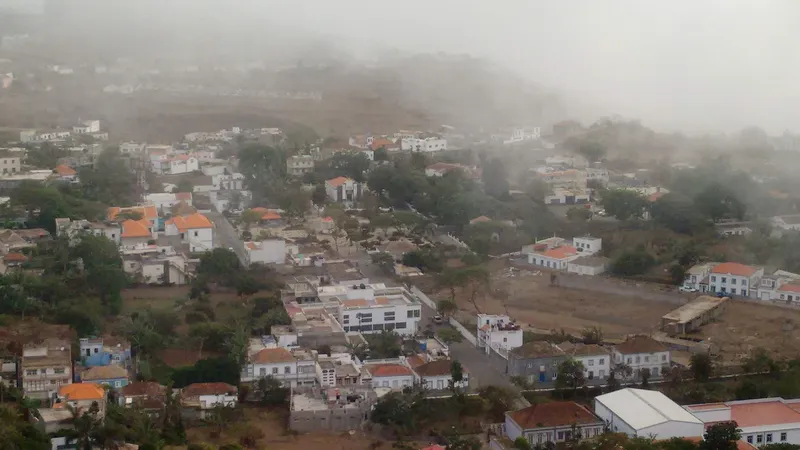
Brava, Cape Verde's smallest island, watches its houses empty out in step with emigration
With just a few thousand inhabitants and a population that keeps shrinking, Nova Sintra has a property market that is nearly frozen, kept alive solely by diasp…
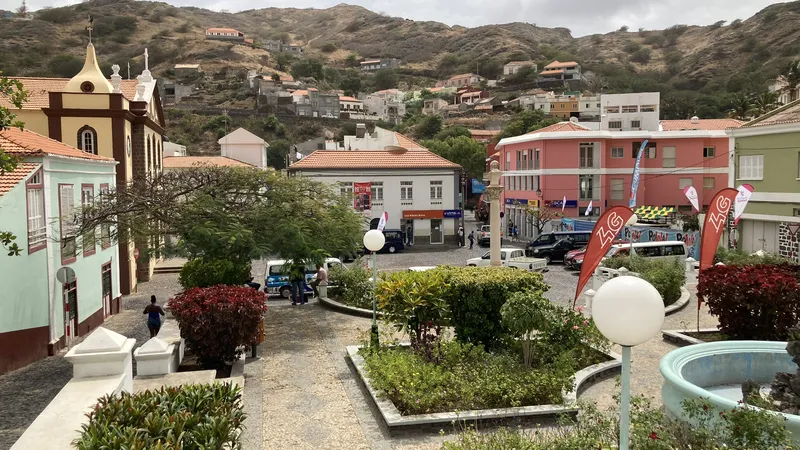
Ribeira Brava holds steady prices as emigration sets the market's pace
In São Nicolau, remittances from the diaspora sustain the building of family homes, but a lack of local buyers leaves a housing stock with many houses shut for…
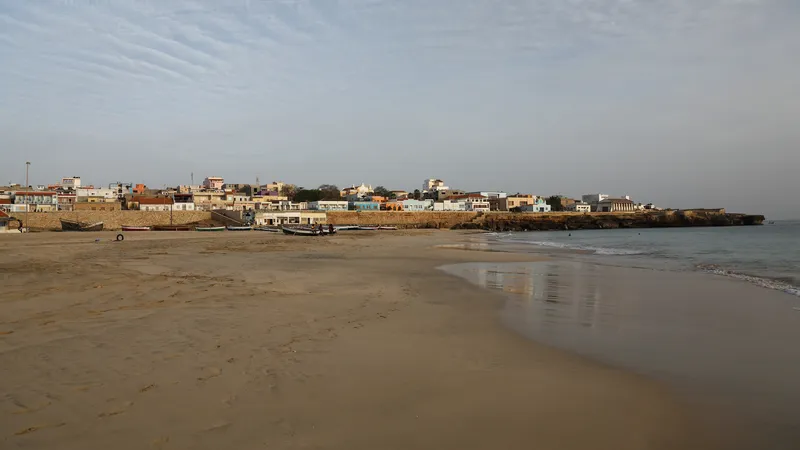
Maio, the island where buying a home is still nearly impossible for lack of supply
With the least developed property market in all of Cape Verde, Vila do Maio records barely any sales, while emigration leaves homes standing empty, neither sol…
Volcanic risk is already shaping house prices in São Filipe
At the foot of the Pico do Fogo volcano, memories of the last eruption continue to weigh on the value of homes near the caldera, while São Filipe's town centre…