Construction labour shortage pushes up costs and slows down building work in Graciosa
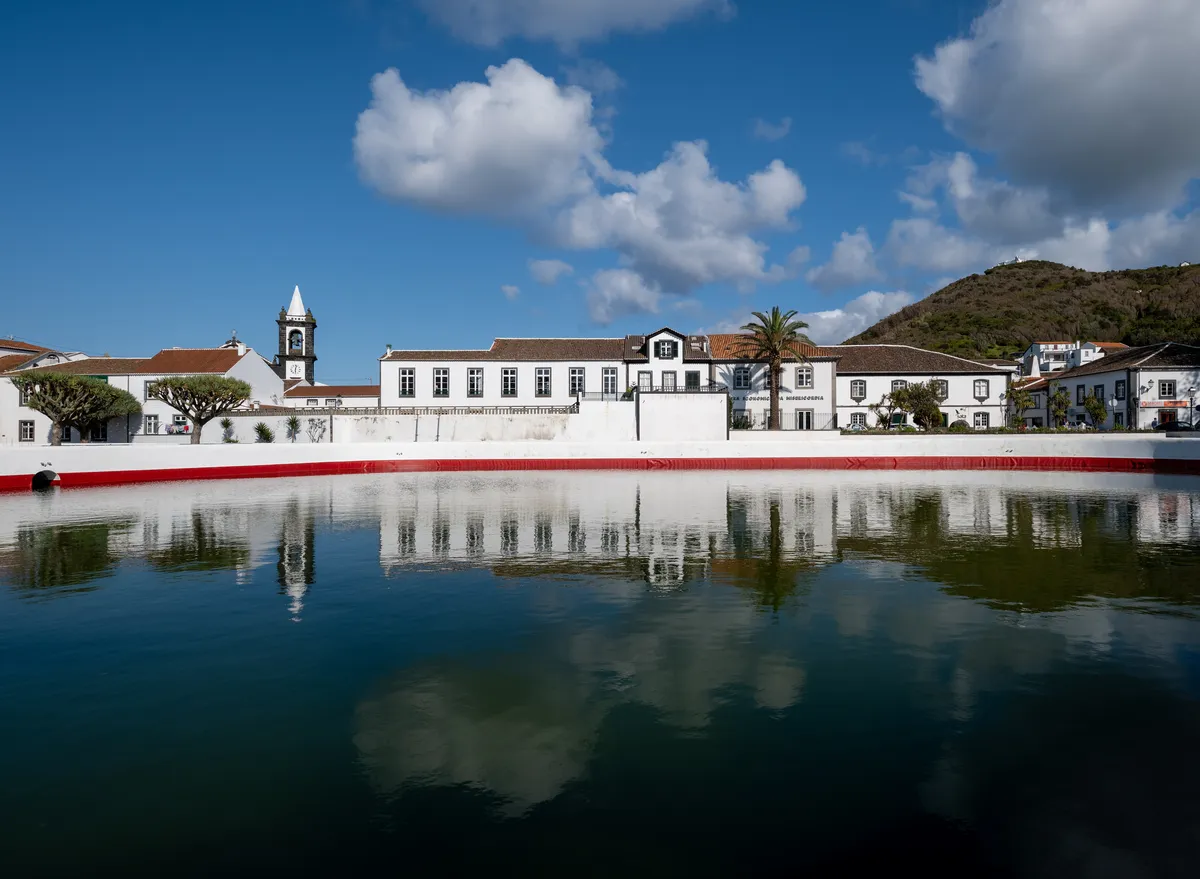
Fewer hands for many houses awaiting renovation
Graciosa has only a handful of local building crews, not enough to meet demand for renovations.
Bringing tradespeople from Terceira, a regular added cost
Crews are brought in from Terceira, adding transport and accommodation costs.
Timelines stretching into months
A simple renovation can take twice as long as on São Miguel or Terceira.
Generational turnover in the trades
The lack of new entrants into traditional trades is worsening the labour shortage.
Owners waiting for work speak out
Several homeowners in Santa Cruz da Graciosa describe waits of more than a year to get a crew to start renovation work on their home. Some have opted to split the refurbishment into small phases, adapting to the limited availability of the few local professionals. Others simply shelve larger projects altogether given the uncertainty over realistic completion times.
Comparison with the rest of the archipelago
While São Miguel and Terceira have medium-sized building firms capable of taking on several projects at once, on Graciosa supply is limited to a very small number of self-employed professionals. This difference in scale explains why a similar renovation can be completed in half the time on the larger islands. The sea transport of materials and workers adds a further layer of logistical complexity unique to the smaller islands.
The added cost of bringing in crews
Bringing a crew over from Terceira involves not just the ferry or plane fare but also accommodation and daily allowances for the whole duration of the job, expenses that ultimately land in the homeowner's budget. Some builders choose to bundle several jobs into a single visit to spread these costs, which in turn lengthens the wait for each individual client. This arrangement has become the norm for any building work of significant scale on the island.
Training and generational renewal, an underlying concern
Local vocational training officials acknowledge that few young people from Graciosa choose traditional building trades, preferring to study off the island and not always returning. Without a clear generational handover, the labour shortage risks worsening over the next decade. Some voices in the sector propose specific incentives to attract young people trained on São Miguel who are willing to settle permanently on the island.
More in News
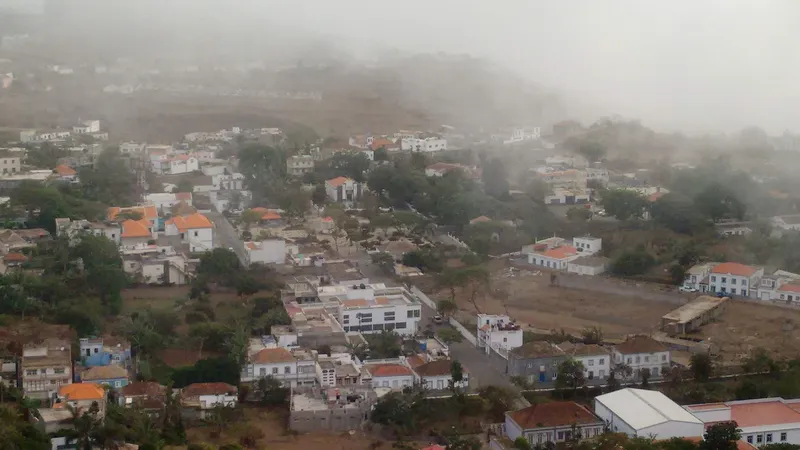
Brava, Cape Verde's smallest island, watches its houses empty out in step with emigration
With just a few thousand inhabitants and a population that keeps shrinking, Nova Sintra has a property market that is nearly frozen, kept alive solely by diasp…
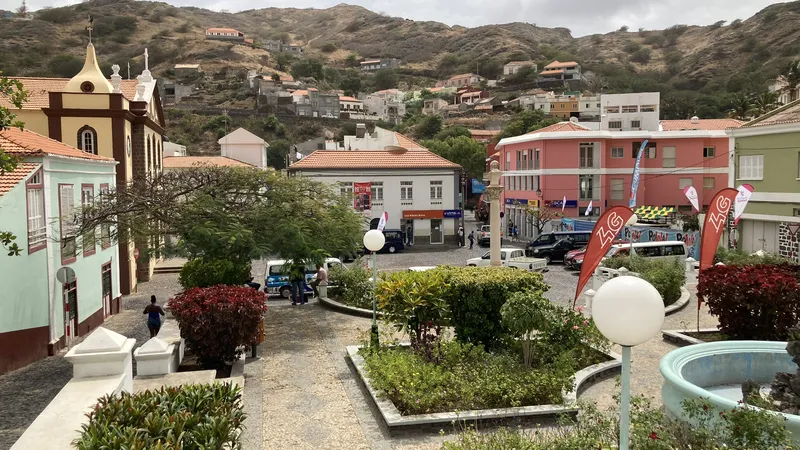
Ribeira Brava holds steady prices as emigration sets the market's pace
In São Nicolau, remittances from the diaspora sustain the building of family homes, but a lack of local buyers leaves a housing stock with many houses shut for…
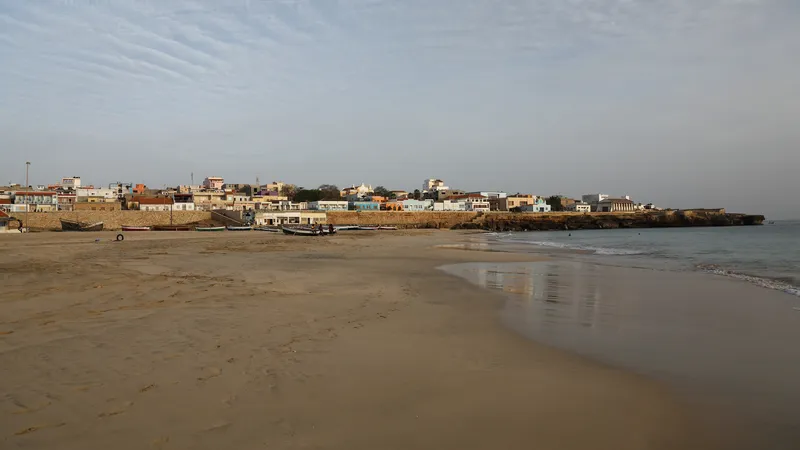
Maio, the island where buying a home is still nearly impossible for lack of supply
With the least developed property market in all of Cape Verde, Vila do Maio records barely any sales, while emigration leaves homes standing empty, neither sol…
Volcanic risk is already shaping house prices in São Filipe
At the foot of the Pico do Fogo volcano, memories of the last eruption continue to weigh on the value of homes near the caldera, while São Filipe's town centre…